The Fugitive Führer: Inside Josh Gates’ Investigation of the Inalco House
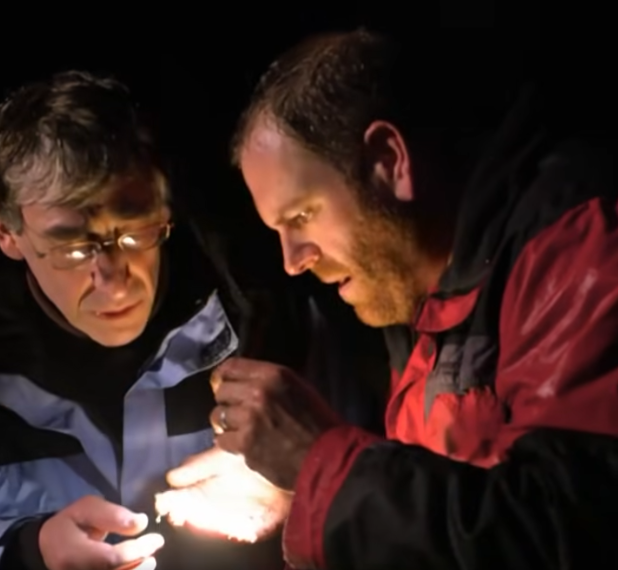
For decades, the official history of World War II has maintained a definitive conclusion: Adolf Hitler died by suicide in his Berlin bunker on April 30, 1945, as Soviet forces closed in. However, a persistent and chilling conspiracy theory suggests a different ending—one where the most wanted man in history escaped through a network of “ratlines” to the remote wilderness of Patagonia, Argentina. In a gripping episode of Expedition Unknown, explorer Josh Gates travels to the edge of the world to investigate the Inalco House, a secluded estate rumored to have been Hitler’s final sanctuary.
A Fortress in the Forest
Located near Villa La Angostura, the Inalco House is not just any residence. Designed by architect Alejandro Bustillo in the early 1940s, the estate is strategically positioned on the shores of Lake Nahuel Huapi, accessible only by boat or through dense, private forests. As Gates explores the property, the architectural parallels to Hitler’s Bavarian retreat, the Berghof, are impossible to ignore. The house features German-style alpine aesthetics, expansive views, and a level of seclusion that would be ideal for a high-ranking fugitive.
Local legends suggest that the complex was funded by Nazi sympathizers and German businessmen who had established a foothold in Argentina long before the war ended. During his investigation, Gates meets with local historians and researchers, such as Abel Basti, who argue that the Inalco House was part of a broader “safe zone” for SS officers fleeing justice in Europe.
Scanning for Secrets
Josh Gates is known for bringing technology to historical mysteries, and his visit to Inalco is no exception. Equipped with Ground Penetrating Radar (GPR) and metal detectors, Gates and his team scan the grounds of the estate. The goal is to find physical evidence—tunnels, bunkers, or artifacts—that could link the site to the Third Reich.
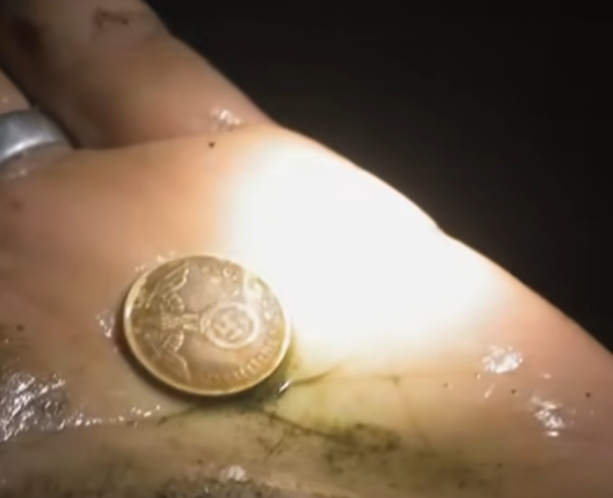
The tension spikes when the GPR reveals anomalies beneath the surface, suggesting hollow spaces or buried structures. While digging in a remote corner of the property, the team uncovers a startling find: a Third Reich-era coin. While a single coin is not “smoking gun” proof that Hitler himself lived there, it serves as tangible evidence that individuals with direct links to Nazi Germany were present on the estate. In a region where many high-profile Nazis, such as Adolf Eichmann and Josef Mengele, were known to have hidden, the discovery adds a layer of disturbing credibility to the theory.
Justice or Myth?
The Inalco House investigation highlights a dark chapter of South American history. Under the presidency of Juan Perón, Argentina became a notorious haven for fleeing war criminals. Gates examines declassified FBI documents and intelligence reports from the era, which reveal that the U.S. government took the rumors of Hitler’s escape seriously enough to investigate them for years after the war.
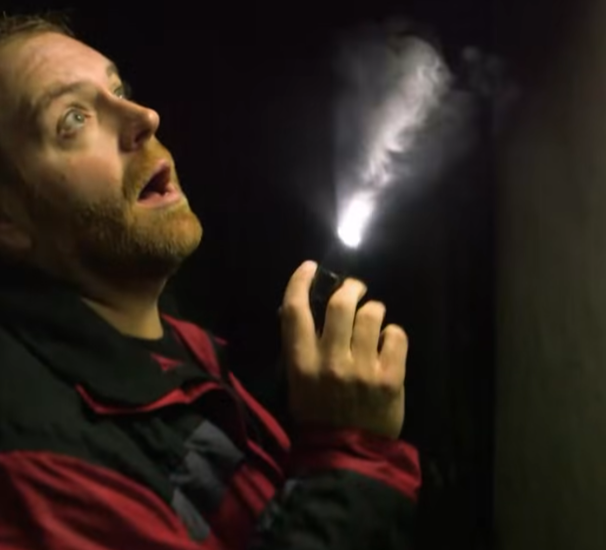
Despite the intriguing evidence, the “Hitler in Argentina” theory remains highly controversial. Most historians argue that the physical remains identified by the Soviets and later confirmed by French forensic experts in 2018 prove Hitler died in Berlin. Yet, as Gates stands on the lonely shores of Lake Nahuel Huapi, he notes that the mystery persists because the truth about how so many Nazis escaped justice remains so poorly understood.
Conclusion
Josh Gates’ journey to the Inalco House doesn’t rewrite history, but it certainly challenges the comfort of our certainties. Whether Hitler spent his final days in the shadow of the Andes or the bunker in Berlin, the Inalco House stands as a haunting monument to a time when the world’s most evil figures sought to vanish into the mist. For Gates and his viewers, the expedition is a reminder that while some secrets are buried deep, the search for the truth never truly ends.