What Really Happened to John Franklin? The Arctic Mystery That Still Holds New Clues
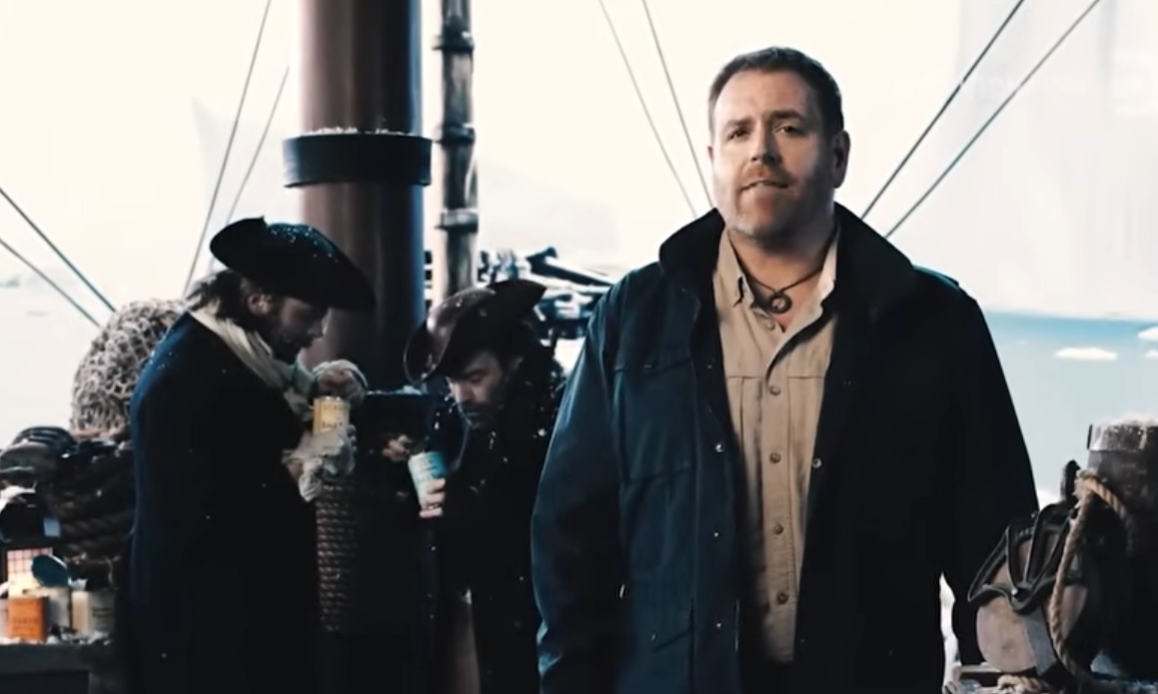
Sir John Franklin set out in 1845 with one of the most ambitious goals in British exploration history: to complete the search for the Northwest Passage, a sea route through the Arctic that had fascinated explorers for centuries. But what began as a carefully prepared Royal Navy mission became one of the most haunting maritime mysteries ever recorded.
The Discovery Channel India video revisits the question that has followed the expedition for generations: what really happened to Franklin and the men aboard HMS Erebus and HMS Terror? The answer, pieced together through written records, Inuit knowledge, archaeology and modern science, is not a single simple event. It is a story of ice, isolation, illness, failed decisions and a desperate attempt to survive in one of the most unforgiving places on Earth.
Franklin’s expedition left England in May 1845. His two ships, Erebus and Terror, were among the most advanced vessels of their day, reinforced for polar travel and equipped for a long journey. The crew carried supplies intended to last for years, and the mission was expected to bring Britain closer to solving the Northwest Passage puzzle. But after the ships were last seen by whalers in Baffin Bay in July 1845, they vanished from direct contact.
For two years, there was no reliable word. Public concern grew in Britain, especially as Franklin’s wife, Lady Jane Franklin, pushed for search missions. Eventually, rescue expeditions were launched, but the Arctic had already swallowed the trail. The absence of clear answers turned Franklin’s fate into a national obsession.
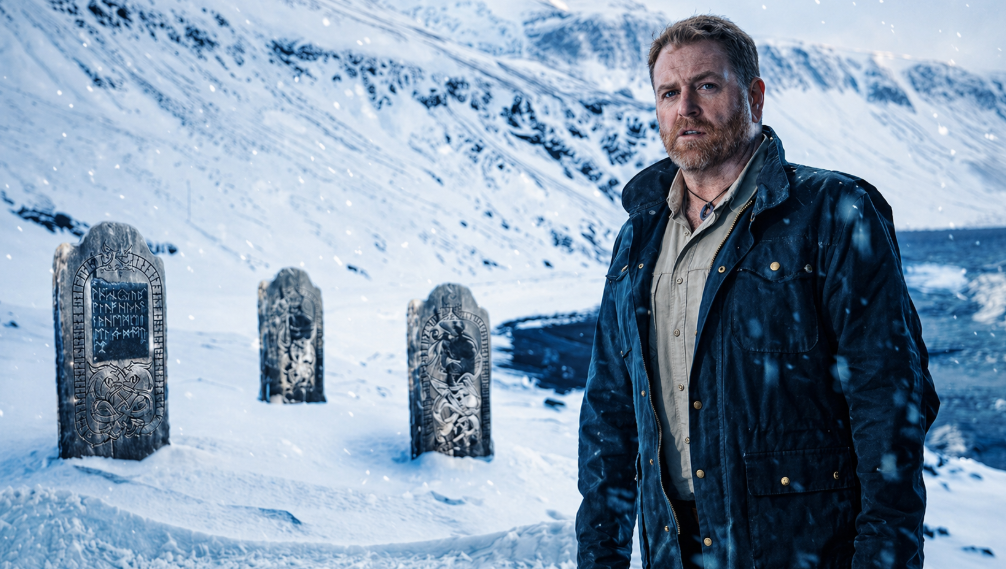
The most important written clue came from the Victory Point note, found on King William Island in 1859. It revealed that the ships had become trapped in ice and were abandoned in April 1848. By then, Franklin and several crew members were already gone. The surviving men, led by Francis Crozier and James Fitzjames, planned to move south toward the Canadian mainland. They never completed that journey.
The question is why the mission failed so completely. Historians and scientists now believe several factors combined. The ships were locked in ice for too long, leaving the crew stranded far from rescue. Food supplies may have deteriorated. Illness, nutritional problems and exposure to extreme cold likely weakened the men over time. Earlier research also raised concerns about lead exposure, possibly linked to food tins or the ships’ systems, though modern interpretations treat it as only one part of a broader collapse.
Inuit testimony played a crucial role in preserving the story. For years, Indigenous accounts described sightings of the ships and the struggling sailors. These accounts were not always taken seriously by Victorian Britain, but modern researchers now recognise them as essential evidence. Parks Canada notes that Inuit knowledge, combined with archaeology and technology, helped lead to the discovery of HMS Erebus in 2014 and HMS Terror in 2016.

Those discoveries changed the Franklin mystery. For more than 160 years, the ships themselves were missing pieces. Now, underwater archaeologists can study the wrecks directly. Erebus has yielded artifacts including equipment, bottles, chests and personal items, each offering new insight into how the crew lived during the final stage of the expedition.
Recent science has also added human detail to the story. In 2024, researchers identified remains linked to Captain James Fitzjames through DNA analysis, giving one of the expedition’s key officers a confirmed place in the archaeological record. Such discoveries show that the Franklin story is still developing, even nearly two centuries later.
What really happened to John Franklin, then, was not merely that he disappeared in the Arctic. He led a mission that became trapped by conditions it could not overcome. The men endured a long breakdown of health, supplies and hope, before the remaining crew abandoned their ships and attempted a final march across the ice and land.
Franklin’s expedition failed in its immediate goal, but its legacy reshaped Arctic exploration. The search for his ships mapped vast areas of the Canadian Arctic, preserved Inuit testimony, and left behind one of history’s most enduring exploration mysteries. Today, with the wrecks finally found and new evidence still emerging, the story of Erebus, Terror and their lost crew is no longer only a tale of disappearance. It is a slow reconstruction of a journey that ended in silence, but never truly vanished from history.