Oak Island’s Stone Road and the Hatch Theory Open a New Chapter in the Treasure Hunt
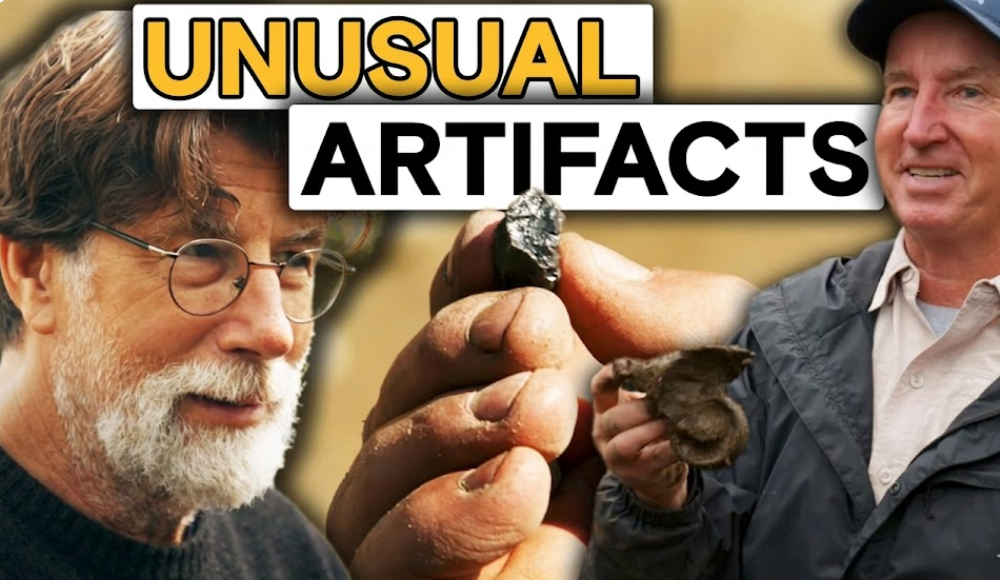
The latest developments on The Curse of Oak Island suggest the team may be closing in on one of the island’s most important construction mysteries yet. From a strange carved stone near Peggy’s Cove to newly exposed timbers in the swamp, the episode builds around one central question: were these scattered clues part of a deliberate system leading toward the Money Pit?
The investigation begins away from the island, where researcher Terry Deveau shows Rick Lagina and members of the team a little-known stone carving. The stone appears to show a face looking out to sea, with several areas that seem to have been shaped by hand rather than by natural weathering. Small rocks beneath it also suggest that it may have been positioned deliberately.
For analysts of the show, this moment matters because Oak Island has increasingly expanded beyond the island itself. The team is no longer only searching underground. They are studying nearby carvings, old maps, regional symbols and coastal features to determine whether Oak Island was part of a wider system of markers.
Back in the swamp, Gary Drayton and Peter Fornetti make a find that could be even more important. After detecting iron near the southeast corner, they uncover a wooden structure with notched timbers and iron fasteners. At first, Gary wonders whether it could be the top of a shaft. But archaeologist Laird Niven suggests another possibility: a slipway.
That idea immediately changes the meaning of the discovery. If the structure is a slipway, it may have been used to pull small boats or cargo from the swamp area toward higher ground. Marty Lagina, speaking by phone, notes that such a feature could fit with the theory that boats once came into this area to unload something important.
The location is crucial. The southeast corner of the swamp has already produced stone pathways, possible structural remains and unusual artifacts. A slipway in that area would support the idea that the swamp was not simply natural terrain, but part of an engineered working zone.
The team then turns to the stone road and nearby pathway features. Archaeologists and geoscientists continue exposing layers of stone, wood and compacted material. Rick notices additional stones beneath the visible road surface, along with what appears to be cut wood or cribbing. That suggests the road may have been carefully supported in unstable ground.
The discovery of coal or charcoal on the pathway adds another layer of interest. Coal does not naturally belong in that setting, and the team quickly connects it to earlier evidence of burning in the swamp. That brings back Fred Nolan’s long-standing theory that Oak Island may once have been two islands, with a vessel brought into the gap, unloaded, and later burned.
The evidence is not final, but the pattern is becoming harder to ignore. Stone roads, wood supports, fasteners, charcoal and possible wharf-like features all point to organized activity. The next step will likely involve dating the wood, testing the charcoal and determining whether the construction predates known treasure searcher activity.
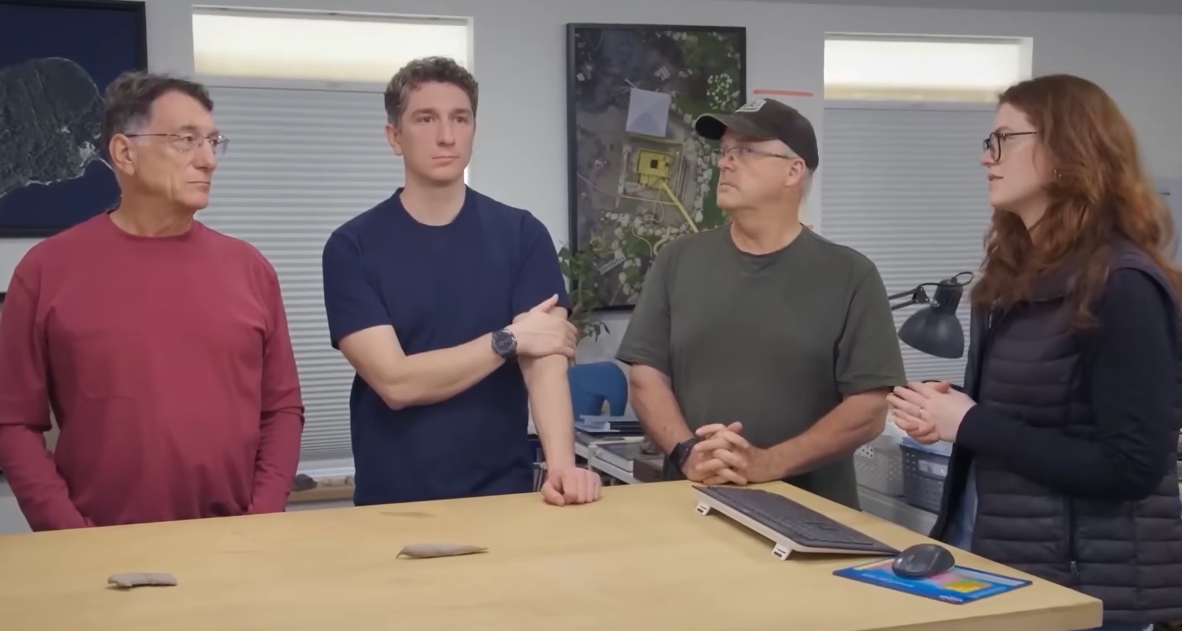
The episode also revisits one of the most debated clues in Oak Island history: Zena Halpern’s map. In the war room, researcher Matt Sandt argues that the team may have misread one important label. Instead of separate references to a hatch and a hole underneath, he suggests the French phrase should be read as one label: the hole under the hatch.
That correction is small, but potentially meaningful. If accurate, it points toward a more specific feature rather than two vague map references. When Sandt overlays the map with modern imagery, the possible location appears to fall around Lot 4.
From a narrative perspective, this gives the team a fresh target. If they can find evidence of the hatch or the hole beneath it, even one verified point on Zena’s map could give the document renewed importance. That would likely send the team back to other marked locations with far more confidence.
Looking ahead, the most likely developments are clear. The swamp will remain a major focus, especially around the possible slipway and stone road. Lot 4 may also become a new search zone if the team follows the revised map interpretation. Meanwhile, the carved stone near Peggy’s Cove could push the investigation further into regional coastal markers.
The larger question remains unchanged: were these features built by searchers, settlers, or someone connected to the original depositor theory?
For now, the episode does not solve Oak Island. But it does something just as important for the series: it connects old clues with new evidence. A possible slipway, a supported stone road, burned material, a caster wheel, and a newly interpreted hatch label all suggest that the island’s story may be more structured than previously believed.
If the team can prove even one of these features predates modern search efforts, the investigation could move into one of its most important phases yet.