“I eat like a pig at Jeremy Clarkson’s farm”: What is it about Clarkson’s farm that attracts him so much?
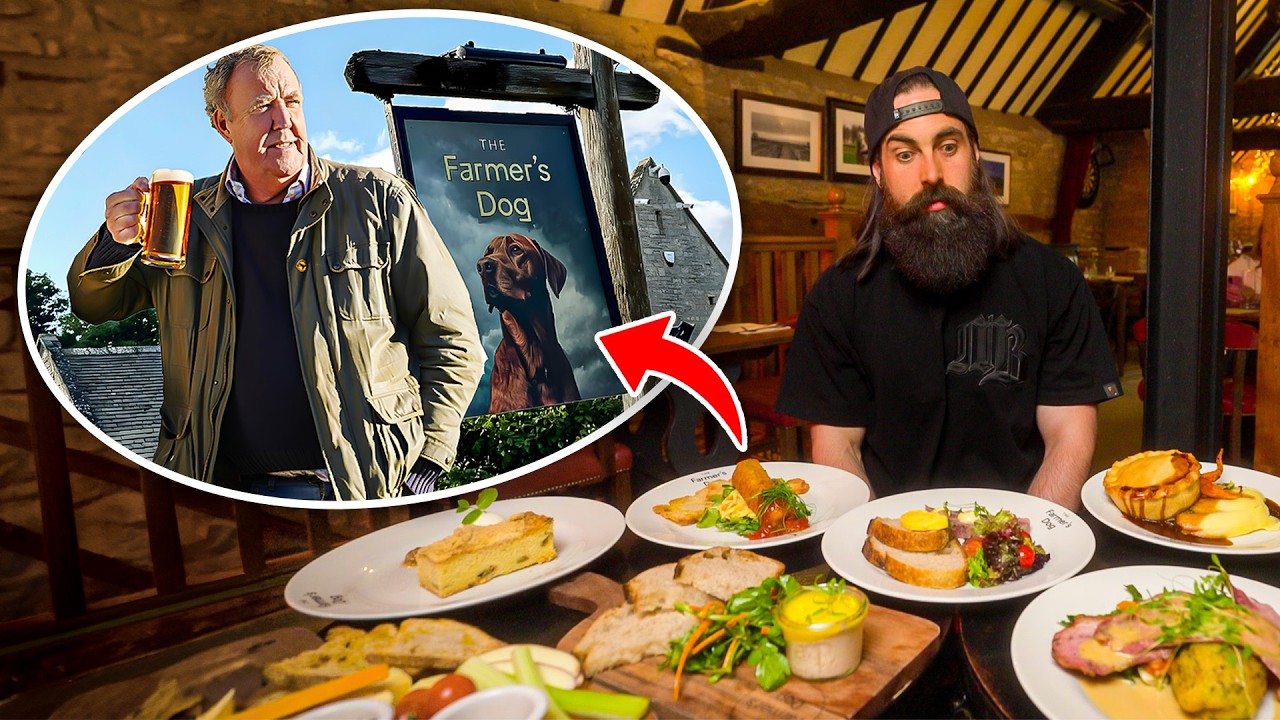
Jeremy Clarkson’s Clarkson’s Farm has captured the hearts of fans around the world, not just for its comedic moments and Clarkson’s often misguided attempts at farming, but also for its ability to showcase the gritty, humorous reality of farm life. One of the highlights of the show has been Clarkson’s Diddly Squat Farm, located in the picturesque Cotswolds, where he has ventured into farming with little prior experience. From battling bureaucracy to learning the ropes of animal husbandry, Clarkson’s antics provide plenty of entertainment. However, one aspect of the farm that’s caught the attention of many is the food—a topic that sparked curiosity when a fan recently shared their experience with the iconic farm dining. This fan’s review, titled “I Ate Like a Pig at Jeremy Clarkson’s Farm,” reveals not just the food but also the immersive experience of visiting Diddly Squat. In this article, we’ll dive into the details of this fan’s journey, discuss the implications of Clarkson’s culinary offerings, and predict how this might influence the future of Clarkson’s Farm and the farm-to-table movement.
A Farm-to-Table Experience: The Charm of Clarkson’s Food
The allure of farm-to-table dining is nothing new, but at Diddly Squat Farm, it’s taken on a life of its own. In Clarkson’s latest season, viewers saw him navigate various aspects of farming, including running a pub, The Farmer’s Dog, which serves food that showcases the very products of his farm. While Clarkson’s previous ventures in food production have been less than stellar—his lamb production debacle comes to mind—his approach to food at the farm appears to be a growing success.
The fan’s review, describing their meal at The Farmer’s Dog as “eating like a pig,” suggests that Clarkson’s commitment to serving local, fresh, and sometimes unexpected ingredients is resonating with visitors. The fan was particularly impressed by the pork dishes, which were likely sourced from the pigs Clarkson raises on his farm. As the fan mentioned, “The food was hearty, delicious, and very much what you’d expect from a farm that actually produces its own ingredients.” This review highlights the authenticity and simplicity of Clarkson’s approach to food, which has garnered attention and positive feedback from visitors.
The phrase “I ate like a pig” is not only a playful nod to the farm’s pig-related mishaps but also a testament to the charm of Diddly Squat’s offerings. While Clarkson’s farming journey is far from perfect, his dedication to serving food that is freshly sourced from his own land seems to have paid off. For the fan, it was more than just a meal—it was an experience of dining close to the land, where every bite told a story of Clarkson’s ups and downs as a farmer.
Clarkson’s Evolving Relationship with Food and the Local Community
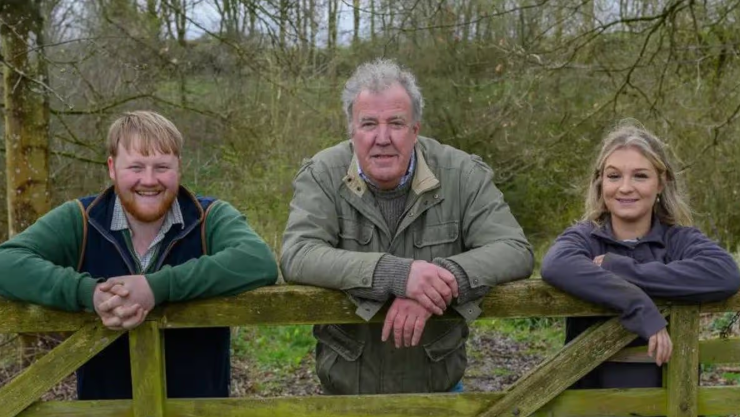
Clarkson’s evolution from a reluctant farmer to a business owner with a farm-to-table dining experience is significant not just for Clarkson’s Farm but for the community around Diddly Squat. The review reflects the growing appeal of Clarkson’s public persona as a farmer who doesn’t shy away from embracing local food culture, even if his journey is filled with challenges. The fan’s delight in the food at The Farmer’s Dog reflects the reality that Clarkson has become somewhat of a local figure in the Cotswolds, bridging the gap between farming and dining, two often separate worlds.
Diddly Squat Farm has also sparked conversations about sustainability, and Clarkson’s farm-to-table offerings align with the broader movement toward eating locally and supporting small, independent farms. By promoting food that is raised and grown on his land, Clarkson is participating in a conversation about food security, environmental impact, and the importance of knowing where one’s food comes from. This fan’s experience is a perfect example of how Clarkson’s personality and his farm’s products have connected with consumers seeking authenticity in their food choices.
However, Clarkson’s venture into food production is not without controversy. His pub has faced opposition from local authorities, particularly around issues of planning permissions and the farm shop’s expansion. Clarkson himself has voiced his frustrations with these regulatory hurdles, yet his determination to push forward speaks to the broader themes of his farming journey: resilience, defiance, and an unwillingness to give up, no matter the odds. The fan’s experience at The Farmer’s Dog shows that despite these hurdles, Clarkson is providing a unique dining experience that draws people from all over, eager to taste food directly from the farm.
Predicting the Future: Expansion and Potential Challenges
As Clarkson’s Farm continues to evolve, Clarkson’s role as both farmer and restaurateur is likely to expand, particularly if fan reviews like this one continue to highlight the success of his dining offerings. The growing popularity of The Farmer’s Dog could lead to further investments in the restaurant side of the business, possibly even opening more dining establishments under the Clarkson brand. However, with this expansion, there are several challenges Clarkson will need to navigate.
Firstly, Clarkson’s relationship with local authorities is a recurring theme on Clarkson’s Farm. His decision to open a pub without the necessary permissions has caused friction, and this issue could intensify if the farm-to-table model gains more traction. Local planning regulations, licensing requirements, and land use could all pose potential obstacles for Clarkson as he looks to scale his business.
Secondly, there’s the question of sustainability. While Clarkson’s farm-to-table model has been celebrated for its fresh ingredients and authentic approach, the environmental impact of scaling up operations, particularly in a rural area like the Cotswolds, will need careful consideration. As demand for food grown locally continues to rise, Clarkson’s farming practices may come under greater scrutiny, particularly if he seeks to expand his farming operations to meet the needs of an increased customer base.
Finally, Clarkson’s food offerings will likely remain a key part of the show’s narrative in future seasons. If Clarkson’s Farm continues to build on its current success, we could see Clarkson develop a more sophisticated food production system. This might include more collaborations with local farmers, sustainable farming practices, and even more creative ways to incorporate his farm’s products into dishes at The Farmer’s Dog.
Conclusion: From Pigs to Plates – Clarkson’s Culinary Future
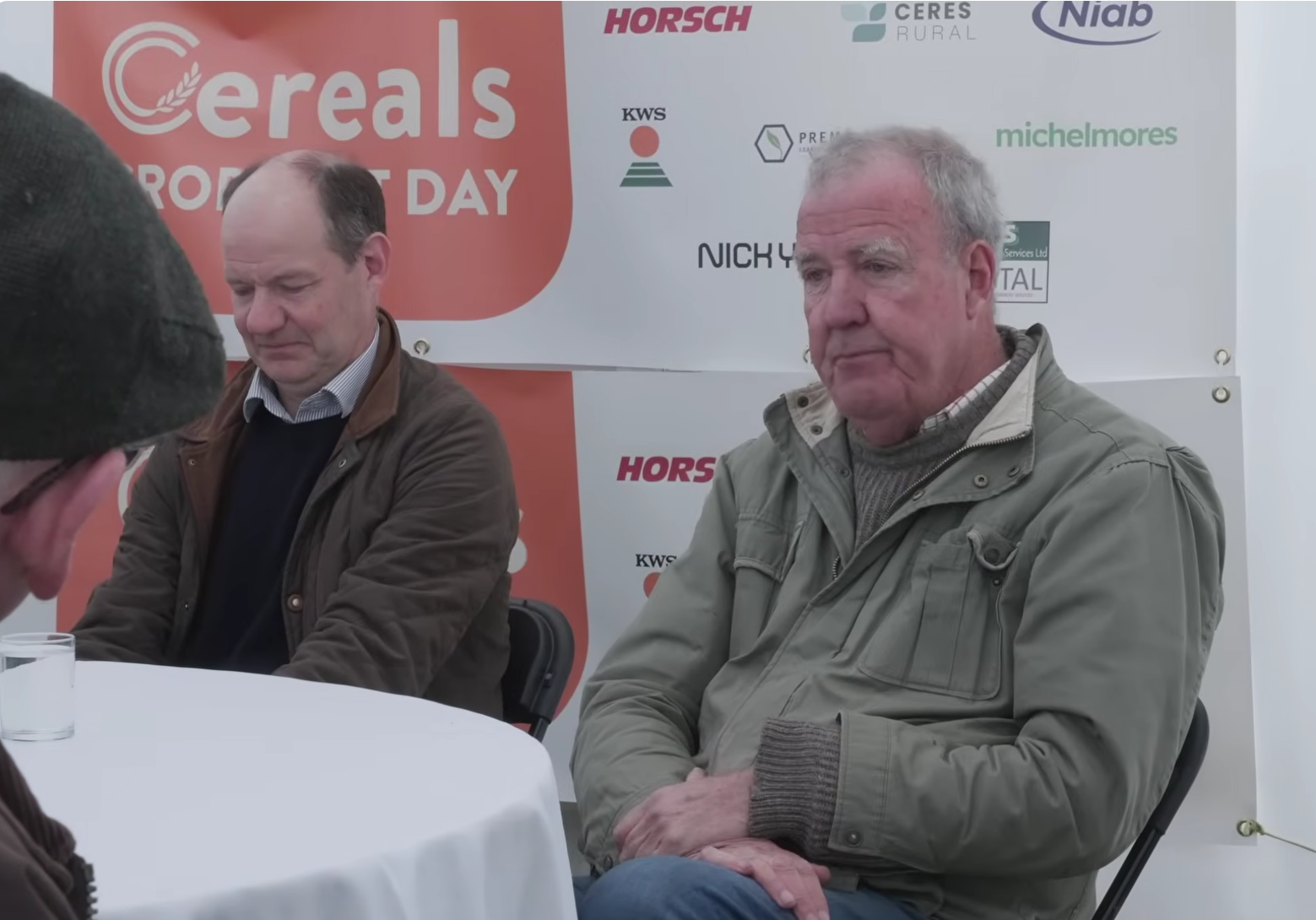
The fan’s review, “I ate like a pig at Jeremy Clarkson’s Farm,” is more than just a playful comment about the food—it’s a reflection of Clarkson’s growing reputation as both a farmer and a culinary enthusiast. While his farming journey is far from perfect, his ability to adapt and embrace new challenges, particularly in the food industry, shows his potential for success beyond just raising crops and animals.
As Clarkson’s Farm evolves, it’s clear that Clarkson’s relationship with food will continue to play a prominent role in the narrative. With the farm-to-table model gaining popularity and Clarkson’s undeniable charm, his culinary future seems bright. However, the path ahead will undoubtedly be filled with more challenges, from regulatory hurdles to the complexities of scaling up a business in the competitive world of food and hospitality. For now, though, Clarkson’s farm-to-table dining offers a refreshing glimpse into his evolving farm experience—and based on the fan’s glowing review, it seems like the best is yet to come.