Jeremy Clarkson Admits Pub Advisers Were Right After £40,000 Umbrella at The Farmer’s Dog.
Jeremy Clarkson has never built his public image around quiet agreement. Across cars, farming, television and now pub ownership, the Clarkson’s Farm presenter has often been most memorable when resisting advice, arguing with experts, and discovering the hard way that rural business is rarely as simple as it looks. But in the latest twist surrounding The Farmer’s Dog, Clarkson has publicly acknowledged that two former pub advisers may have been right all along.
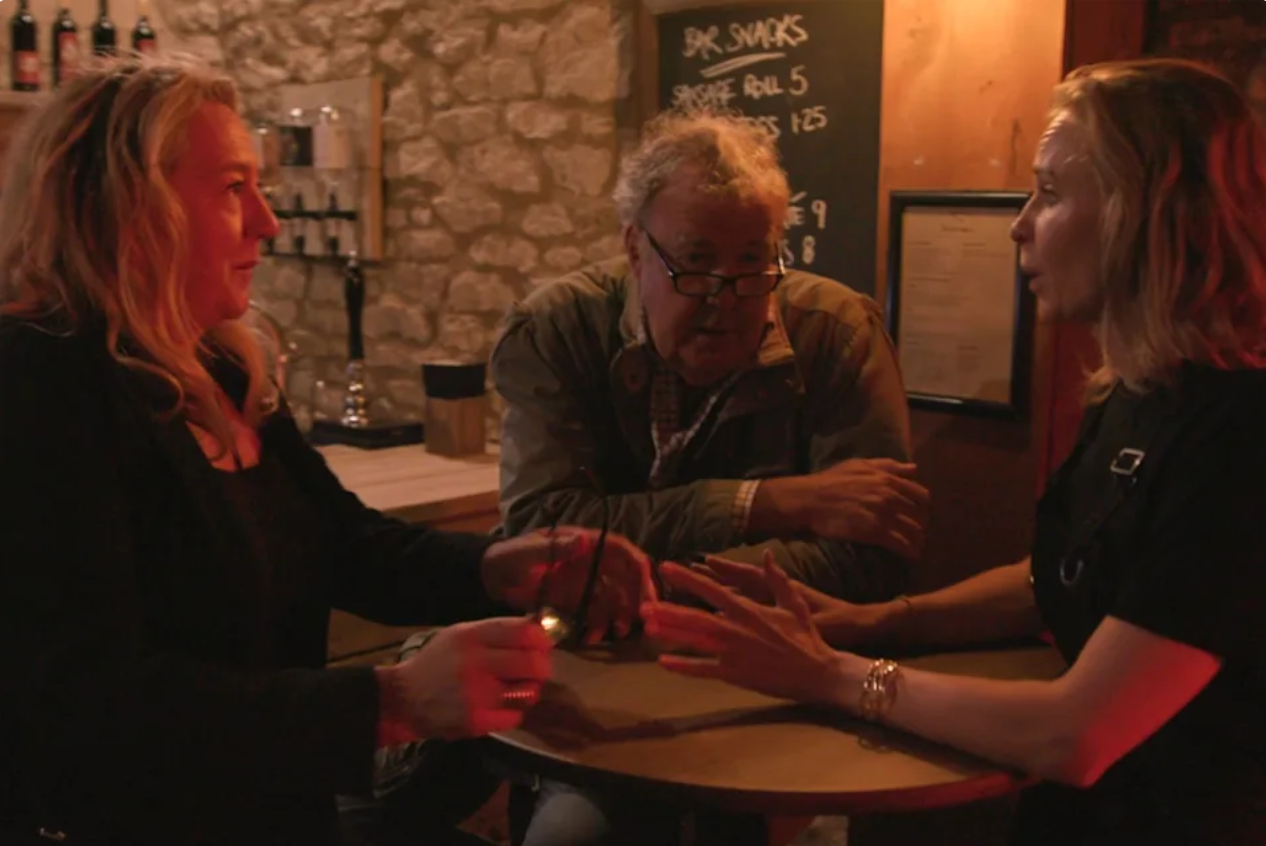
The issue at the centre of the debate was not beer, food, planning rules or traffic, but umbrellas. More specifically, a set of large terrace umbrellas costing around £40,000. During Clarkson’s Farm series four, advisers Sue and Rachel Hawkins suggested that the Oxfordshire pub needed a proper year-round outdoor dining solution for its decking area. Clarkson rejected the idea at the time, arguing that the pub’s budget was only around £25,000.
The disagreement became part of a wider breakdown between Clarkson and the two advisers, who had helped him prepare The Farmer’s Dog for opening. Their departure came just two days after the pub began trading, following a tense conversation about staff welfare, infrastructure failures and the overwhelming pressure of trying to launch a hospitality business in a building that they said was not ready for the demands being placed on it.
Now, months later, Clarkson appears to have changed his mind. This week, the former Top Gear and Grand Tour presenter unveiled large umbrellas on the pub terrace and admitted on Instagram that Sue and Rachel had a point. The Farmer’s Dog, he said, did need big umbrellas after all.
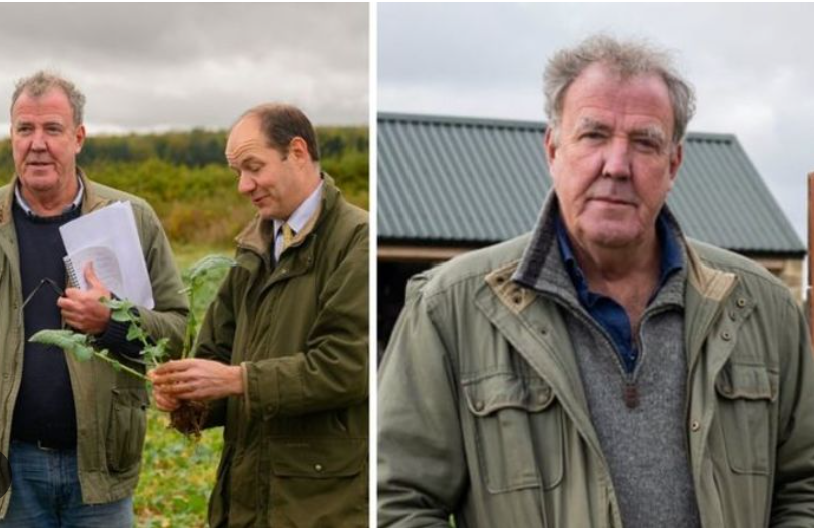
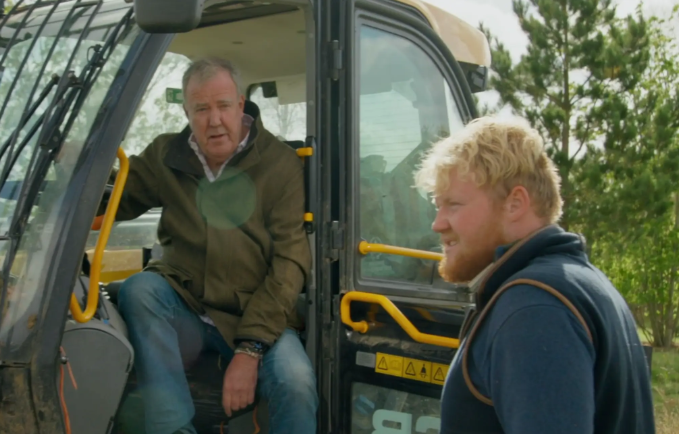
For viewers of Clarkson’s Farm, the admission is significant because it fits one of the show’s most consistent themes: Clarkson’s instincts may be bold, but the experts around him often understand the practical details before he does. On the farm, that role is often played by Kaleb Cooper, Charlie Ireland or Lisa Hogan. At the pub, Sue and Rachel briefly occupied that space, warning Clarkson that enthusiasm alone would not make the business work.
Rachel Hawkins responded to Clarkson’s post by pointing out that it had taken 10 months, two stretch tents and 30 sun umbrellas for him to reach the same conclusion. She explained that the original £40,000 proposal was designed not to block the view while also providing a year-round weather solution, with heating and lighting so that 75 guests could dine comfortably on the terrace in all seasons.
That detail is important. In a normal pub, umbrellas might seem like a decorative expense. At The Farmer’s Dog, they are closer to an operational necessity. Clarkson’s pub is not a quiet local venue serving a handful of regulars. It is a major visitor destination attached to the enormous popularity of Clarkson’s Farm. Fans travel to Oxfordshire specifically to visit the pub, and outdoor capacity can make the difference between manageable service and overcrowded frustration.
The scenes in series four showed just how difficult the launch period had been. Sue and Rachel warned Clarkson that the site was facing too many problems to operate smoothly. They pointed to water failures, insufficient toilets, gas issues, leaking roofs and exhausted staff. They also raised concerns about the lack of proper staff facilities, with workers relying on temporary arrangements during long and demanding shifts.
Their message was simple: the pub had public excitement, but the building and systems behind it were struggling. Clarkson, under heavy pressure and short on sleep, pushed back. When Rachel urged him to go back into the kitchen to thank the staff, he listed the many other problems demanding his attention, including finding a manager, fixing leaks, handling parking, dealing with neighbours and managing council issues.
The exchange captured the reality behind the glossy idea of opening a country pub. It was not just a television storyline. Hospitality depends on water, toilets, staff rest areas, weather planning, kitchen flow and front-of-house discipline. When any one of those systems fails, the pressure spreads quickly. When all of them are under strain at once, even a high-profile celebrity owner can find himself overwhelmed.
Clarkson later said Sue and Rachel had done a brilliant job helping him set up the pub, even though they had left. That acknowledgement matters because the show did not portray them simply as obstacles. Instead, their warnings now look increasingly practical. The later decision to install the type of umbrellas they had recommended suggests their original advice was not excessive, but realistic.
From an analyst’s perspective, this episode says a great deal about the evolution of Clarkson’s Farm. The show began with Clarkson learning that farming was more complicated than he had imagined. It has since expanded into a broader study of rural enterprise. Diddly Squat Farm Shop, Hawkstone, and The Farmer’s Dog all show the same pattern: a strong brand can bring huge demand, but demand creates its own problems.
The Farmer’s Dog has faced many of the issues that come with sudden fame. Large visitor numbers create pressure on parking, staffing, suppliers and local infrastructure. The pub’s promise of British food and countryside authenticity attracts attention, but that attention must be supported by professional systems. The umbrella debate is a small symbol of a much bigger lesson: comfort, capacity and planning are not optional extras.
Clarkson’s U-turn may even strengthen the pub’s story rather than weaken it. Part of his appeal is that he often gets things wrong in public, then has to fix them. Viewers do not tune in because he is a flawless farmer or pub landlord. They watch because he turns mistakes into revealing television, usually with frustration, humour and eventual grudging respect for those who knew better.
For Sue and Rachel, the new umbrellas are a visible reminder that their advice had commercial logic. For Clarkson, they are another expensive lesson in running a rural business under public scrutiny. For The Farmer’s Dog, they may be exactly what the terrace needs to serve more customers through changing weather.
The argument may have started as a disagreement over £40,000 umbrellas, but it has become something more useful: a lesson in listening to people who understand the job. On Clarkson’s Farm, that lesson tends to arrive late, loudly and at considerable cost. But at The Farmer’s Dog, it has finally arrived on the terrace.