THE SHORELINE SECRET: Leaked Season 13 Finale Details Reveal Mid-1300s Artifacts and Catastrophic Collapses on Oak Island
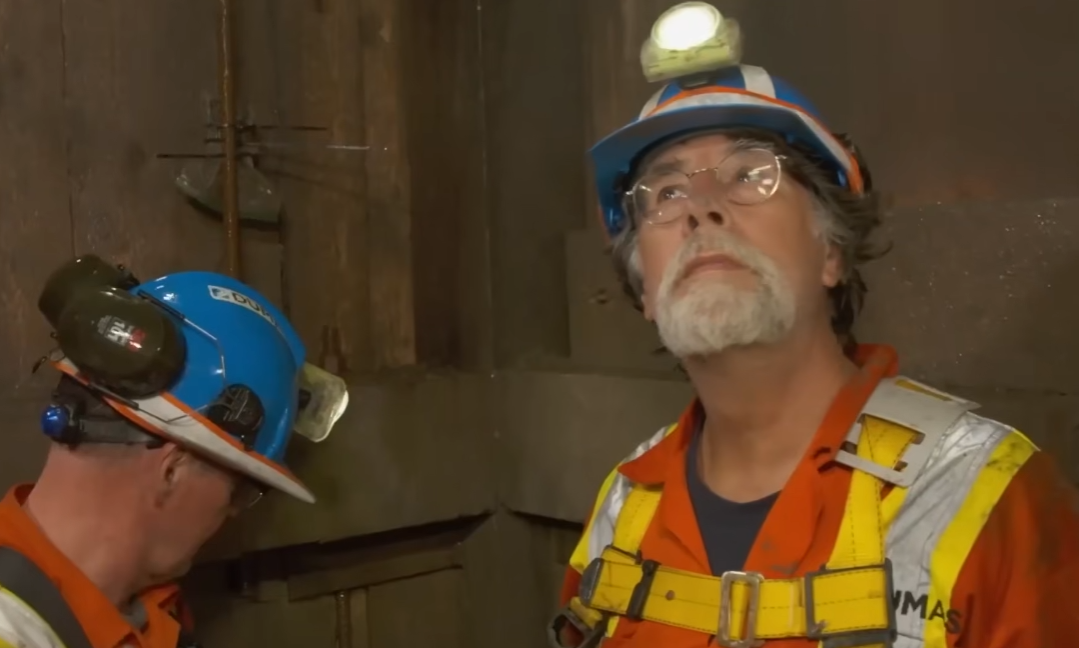
A major intelligence leak from the Oak Island excavation team has shattered over two centuries of treasure-hunting orthodoxy. According to verified reports circulating among production insiders, the upcoming Season 13 finale of The Curse of Oak Island will reveal that the legendary “Money Pit” may have been nothing more than a multi-million-dollar distraction designed to divert searchers from the true vault hidden along the Atlantic shoreline.
The leaked data, which chronicles the final weeks of the 2026 excavation cycle, details two distinct narrative fronts: a groundbreaking architectural discovery beneath the coastal mud of Lot 5, and a catastrophic structural failure at the main dig site that nearly claimed the life of the show’s seventh casualty.
The Shoreline Fortress
For 227 years, expeditions have focused almost exclusively on vertical shafts in the center of the island. However, using advanced ground-penetrating radar and satellite imaging, brothers Rick and Marty Lagina shifted their focus to a forgotten stretch of coast between Lot 5 and Lot 9.
Excavators reportedly struck a massive, precision-engineered stone structure buried beneath the tideline. Unlike the notoriously porous chambers of the interior, this coastal vault appears designed to withstand centuries of shifting ocean pressure.
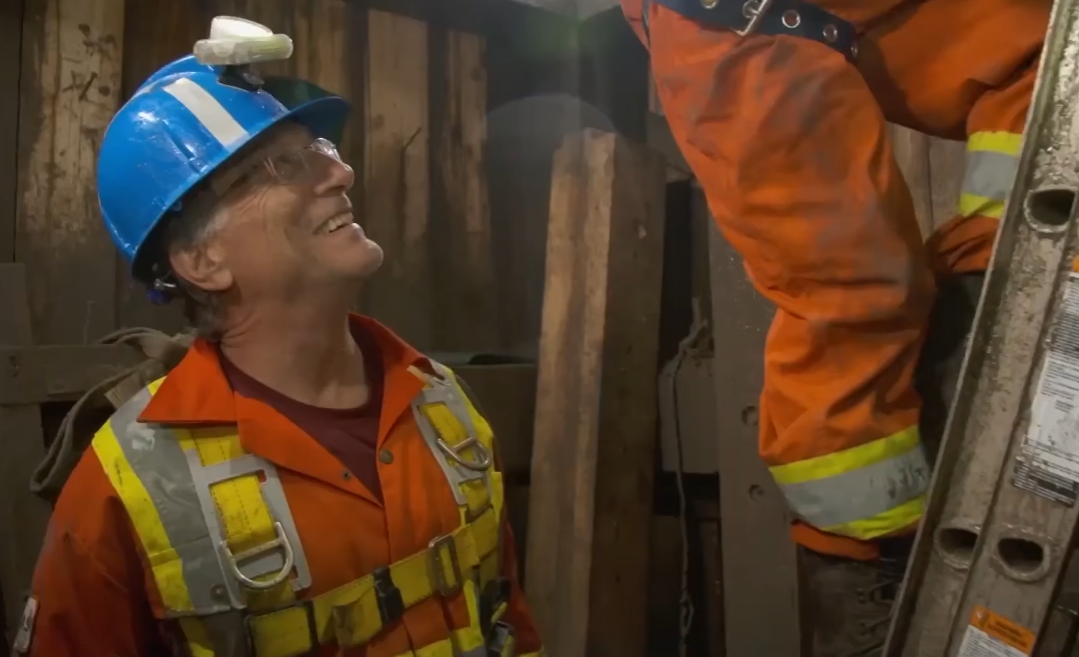
Most shocking to engineers was the discovery that when the space was partially breached, seawater did not immediately flood the area. Insiders suggest this coastal chamber may have served as the primary hydraulic control hub for the entire island, feeding the ingenious network of booby-trapped flood tunnels that have defeated searchers since 1795.
The 14th-Century Timeline Shift
The artifacts recovered from the new Lot 5 cut have completely redefined the historical parameters of the mystery. For decades, theories favored 18th-century pirates or Spanish galleons. However, carbon-dating results on structural timber recovered from the shoreline have reportedly come back pointing to the 1300s and 1400s—centuries before Christopher Columbus crossed the Atlantic.
Furthermore, metallurgical analysis of heavy construction tools pulled from the deep muck indicates designs identical to medieval implements utilized in 14th-century France and Scotland. Historians cooperating with the network are quietly investigating whether the island was built not as a repository for gold, but as a heavily fortified military refuge for the Knights Templar fleeing persecution in Europe.
Disaster at the Money Pit
The triumph at the shoreline was instantly tempered by a near-fatal disaster at the traditional dig site. In an aggressive attempt to stabilize the lower levels, the crew deployed massive steel casings and heavy industrial drills.
The unstable glacial till of Oak Island fought back. Reports confirm that a massive hollow void deep underground collapsed under the weight of the machinery, causing a sudden, violent shift on the surface that forced an immediate evacuation of the area.
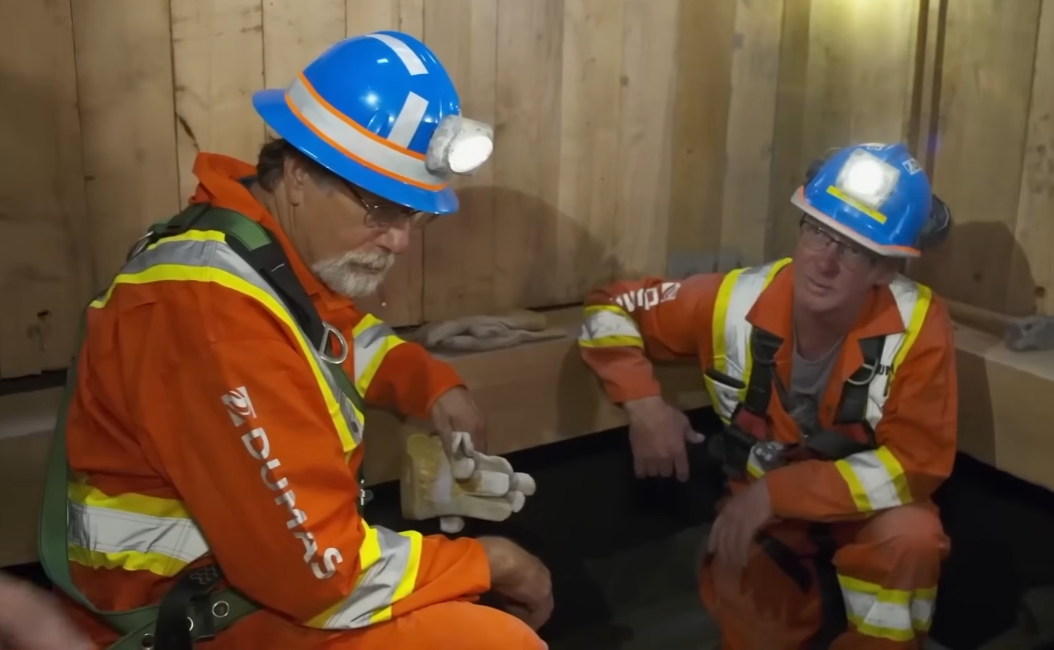
The collapse has reportedly drawn the attention of local Nova Scotia safety authorities, spark-plugging intense debate within the war room regarding whether the entire operation must be suspended. The eerie close call has brought the island’s darkest piece of folklore back to the surface: the prophecy that seven must die before the treasure is found. With six documented deaths in the history books, the unstable ground of 2026 came terrifyingly close to fulfilling the curse.
Whether the Laginas choose to risk the island’s total collapse or retreat in the face of regulatory intervention, the leaked finale confirms one undeniable truth: the history of North American exploration is about to be rewritten from the shores of Oak Island.