Jeremy Clarkson left heartbroken after his pigs tragically ‘died in alarming numbers’
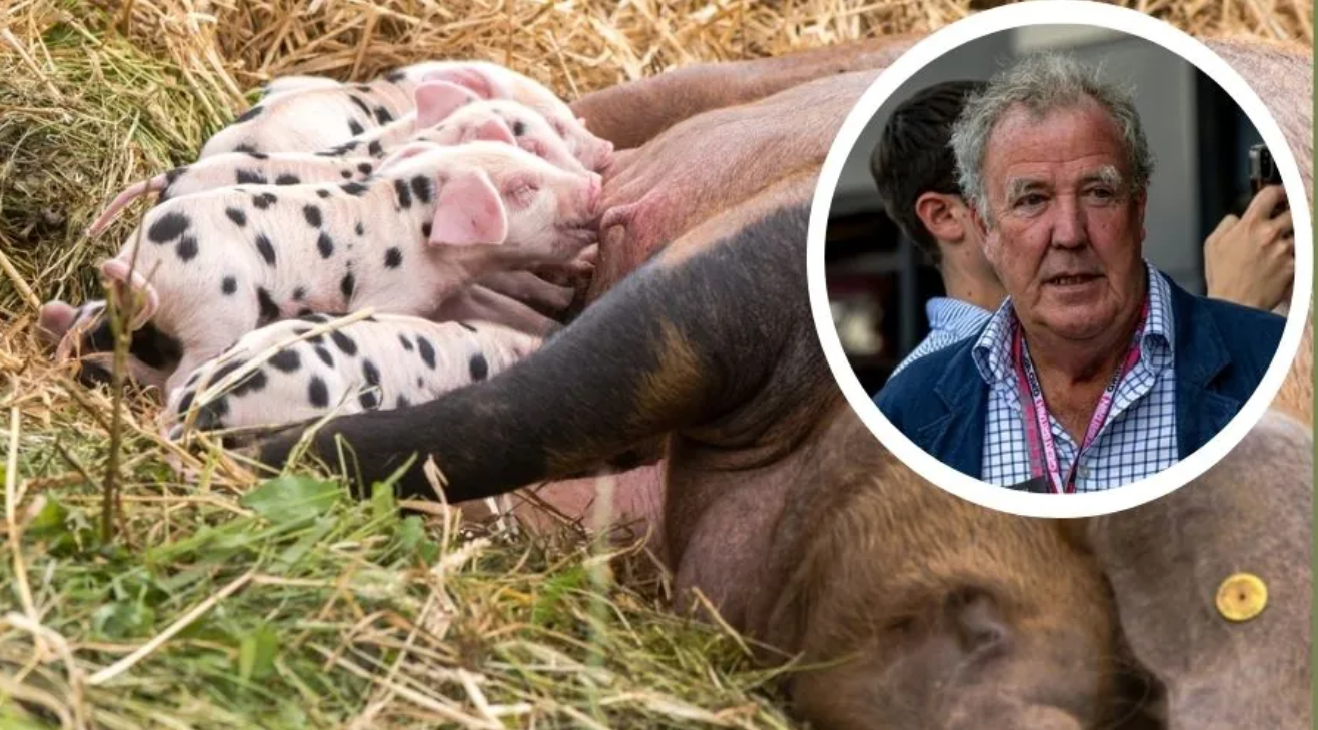
Jeremy Clarkson has spoken candidly about one of the most emotional parts of life at Diddly Squat Farm, revealing how the loss of several pigs left him and Lisa Hogan deeply affected during filming for Clarkson’s Farm.
The former Top Gear presenter, now best known to many viewers for his unexpected farming journey on Prime Video, is returning with another season of the hit series. Alongside Lisa Hogan, Kaleb Cooper and Charlie Ireland, Clarkson continues to document the daily reality of running his Oxfordshire farm.
But while Clarkson’s Farm is often praised for its humour, sharp exchanges and chaotic rural experiments, the new series also explores the more painful side of working with animals. Clarkson has admitted that keeping pigs became far more emotional than he had expected.
He explained that he had always liked pigs, even recalling that his mother used to buy him toy pigs for Christmas and birthdays. Because of that lifelong fondness, he initially thought bringing pigs onto the farm would be enjoyable. Instead, the experience became one of the most difficult chapters he has faced since taking over Diddly Squat.
Clarkson said the animals were lost in alarming numbers, leaving him heartbroken. He added that it was one of the first times he had seen Lisa become so visibly upset by life on the farm. The experience, he said, was terrible, though both he and Lisa have become more emotionally prepared for the difficult realities of animal farming over time.
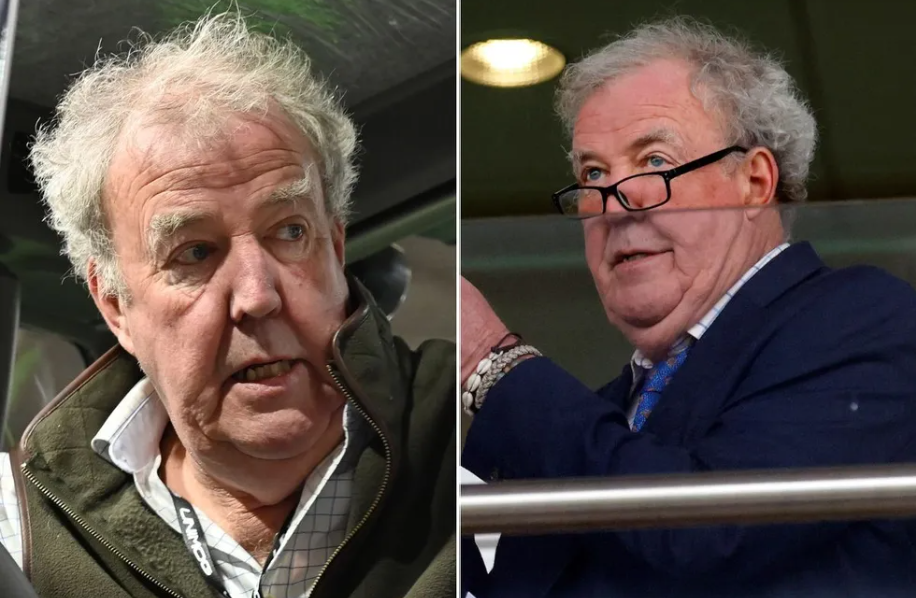
For viewers, the pig storyline is likely to become one of the most memorable and emotional elements of the new season. Clarkson’s Farm has always balanced comedy with reality, but the show is at its strongest when it reveals that farming is not simply a countryside adventure. It is a business and a way of life shaped by difficult decisions, unpredictable setbacks and deep emotional attachment.
Clarkson also discussed the strange emotional contradiction of raising animals on a working farm. He admitted that he becomes fond of the animals, including his goats and cows, even when farm manager Kaleb Cooper takes a more practical approach.
According to Clarkson, Kaleb has suggested that some animals should be sold and used as part of the farm’s commercial operation. Clarkson, however, said he sometimes wants to keep them simply because he likes them.
That conflict sits at the heart of Clarkson’s development as a farmer. When he first began the series, much of the entertainment came from his lack of practical knowledge and Kaleb’s no-nonsense corrections. But as the show has continued, Clarkson has been forced to confront questions that go beyond machinery, weather and paperwork.
The pigs brought that lesson into sharp focus. Clarkson said farmers often nurture animals, call the vet when they are unwell and spend months caring for them, only to eventually send them away as part of the food chain. He described that as a strange place to be for someone who has not spent his whole life farming.
His comments show how far he has moved from the image of a celebrity simply playing at rural life. Clarkson’s Farm has increasingly presented him as someone still learning, often reluctantly, that farming requires both affection and emotional discipline.
Lisa Hogan also reflected on the pig storyline, saying she had not expected to become so attached to the animals. She explained that farm animals can become a kind of family, especially in isolated rural settings where daily life revolves around their care. When they become unwell, the impact can feel deeply personal.
That perspective is one reason Clarkson’s Farm has connected so strongly with viewers. The programme does not present farming as an easy escape from modern life. Instead, it shows how beautiful, frustrating, funny and painful it can be within the same week.
The series has also helped bring wider attention to the pressures facing British farmers. Over previous seasons, Clarkson has dealt with poor weather, rising costs, planning disputes, animal health problems and tensions with local authorities. Those issues have given the show an unexpected seriousness, even while Clarkson’s personality keeps the tone lively.
Season three is expected to continue that pattern. Clarkson has joked that the new series again places him against a difficult opponent, though this time he suggested the opponent is not the local council, but Kaleb. Their relationship remains one of the show’s biggest strengths, built on a mix of frustration, loyalty and comic disagreement.
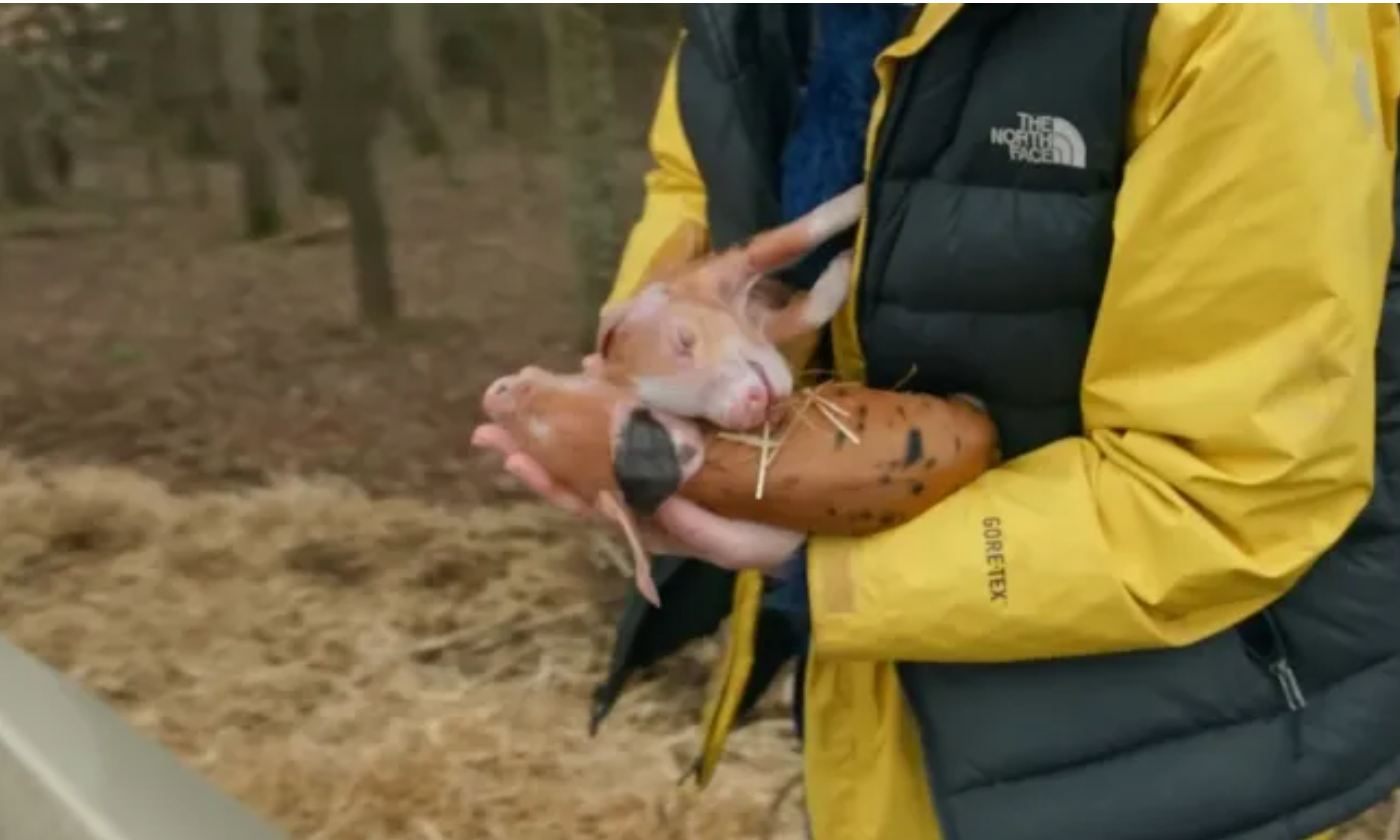
The emotional pig scenes, however, may remind viewers that the farm’s biggest challenges are not always external. Sometimes the hardest moments come from caring for animals and learning what farm life demands.
For Clarkson, the experience appears to have changed the way he views livestock. He still uses humour to describe the contradictions of farming, but his comments reveal a genuine sadness about what happened and a growing respect for those who face similar moments every year without cameras, fame or a global audience.
As Clarkson’s Farm returns, fans can expect the usual blend of machinery mishaps, arguments, rural business problems and Kaleb’s blunt advice. But this season also looks set to show a more vulnerable side of Diddly Squat.
The loss of the pigs may not be the easiest part of the series to watch, but it could be one of the most honest. For Clarkson and Lisa, it was a painful lesson in what it truly means to raise animals on a working farm. For viewers, it may be another reminder that behind the humour of Clarkson’s Farm lies a much deeper story about the realities of modern agriculture.