Parker Schnabel spends $1 million on a NEW ore washing plant to save Season.
Parker Schnabel has never built his Gold Rush reputation by waiting for problems to solve themselves. When production slows, equipment fails or the season begins slipping away, his instinct is usually the same: spend, expand and push harder.
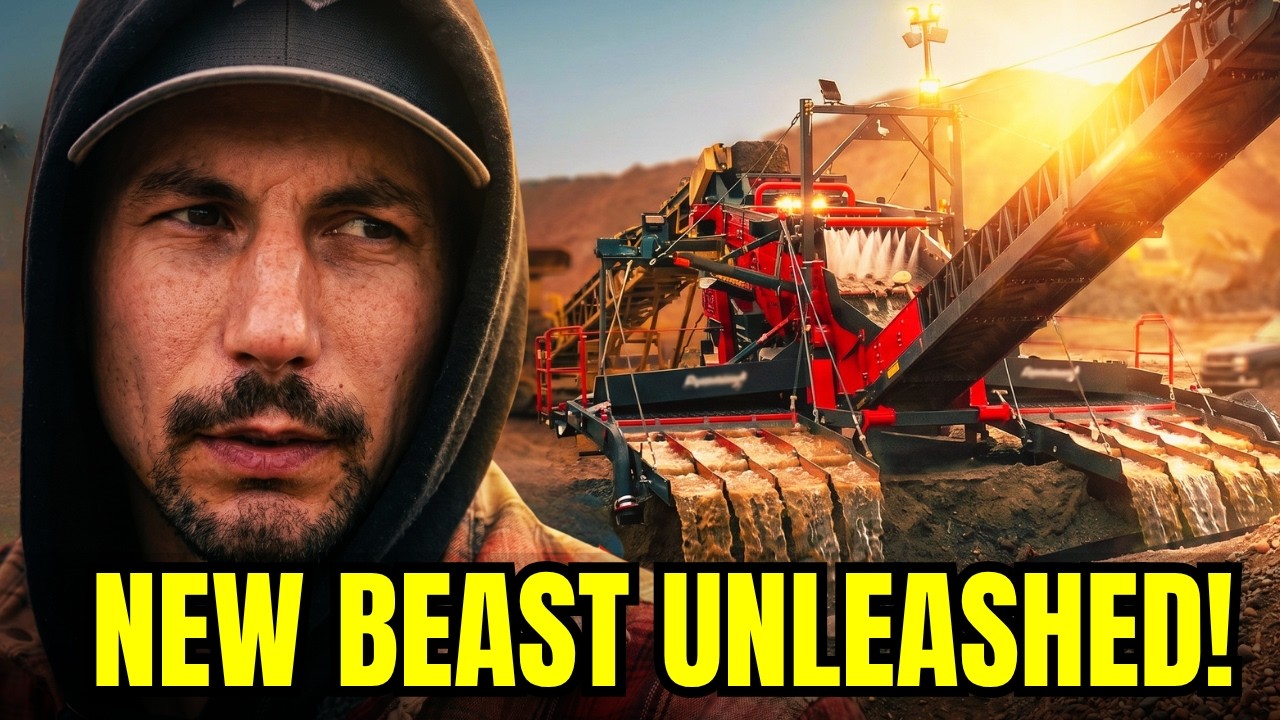
That approach was on full display at Dominion Creek with the arrival of his newest wash plant, the Golden Goose. The $1 million machine came at a crucial point in the season, just as Parker’s gold numbers had started to fall and the pressure to finish strong was rising across the operation.
For Parker, the Golden Goose was not simply another piece of equipment. It was a late-season statement. After weeks of relying heavily on the Golden Mile, one of the richest cuts on the property, the team had finally reached the point where that ground was running out. The area had helped drive strong weekly totals, but once its best pay dirt was gone, Parker needed a new way to keep gold flowing.
That is where the Golden Goose became so important.
The machine was designed to process more pay dirt, improve recovery and handle heavy use under demanding field conditions. It became Parker’s fifth wash plant, but the timing made it feel much bigger than a simple fleet addition. With the season moving toward its final stretch, every hour of running time mattered.
Parker has always understood that gold mining is a race against the calendar. The Yukon offers only a limited working window before cold weather makes ground harder to mine and water systems more difficult to manage. When production starts to dip late in the year, a mine boss has two choices: accept a smaller finish or find a way to recover momentum.
Parker chose the second path.
His plan was direct. Bring the Golden Goose online quickly, feed it with stockpiled material and use the extra processing power to make one final push toward a huge season total. The move carried clear financial pressure. Spending $1 million on a new plant only makes sense if the machine runs hard enough to pay for itself.
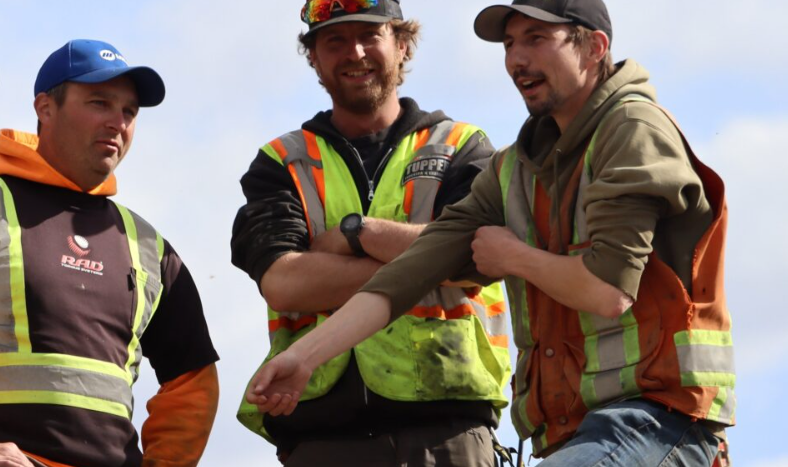
To prepare for the launch, Parker’s crew had already been working at an exhausting pace. They hauled the final pay dirt from the Golden Mile and built two large stockpiles nearly 4,000 feet apart. One pile fed Big Red, Parker’s long-trusted wash plant. The second was set aside for the Golden Goose.
That preparation was critical. A new wash plant sitting idle is a costly problem. If the Golden Goose came online without enough material ready to process, Parker would lose the advantage he had paid so much to create.
While the rock trucks kept moving dirt, the mechanics faced their own challenge. Wash plant specialist Jeff led the installation, working with the crew to assemble the new machine under intense time pressure. The Golden Goose included upgraded features such as longer sluice runs for better gold capture and design improvements intended to keep the plant running smoothly in tough conditions.
The most difficult moment came when the team had to lift the 45-ton main structure into place. Suspended between a crane and a loader, the frame had to be aligned with extreme accuracy so locking pins could slide into position. With the crane working near its limit, even a small movement could have delayed the build or created a serious problem on site.
The crew made careful adjustments until the structure finally lined up. Once the pins were secured, the biggest part of the assembly was complete. The team then added the hopper, conveyors and other key components, slowly turning the new plant from a costly delivery into a working part of the operation.
But a wash plant cannot run without water, and that created the next major test.
The Golden Goose needed a reliable supply to carry material through the system and separate gold from gravel. Parker’s crew had to dig a trench connecting an old pond to a new intake pond, then install pumps capable of moving water thousands of feet and pushing it roughly 160 feet uphill to the plant pad.
That uphill push was a genuine concern. If the water pressure failed, the Golden Goose could not operate, no matter how powerful the machine itself was.
When the pump was switched on, the system hesitated. Air moved through the line and pressure built slowly. For a few tense moments, it was unclear whether the setup would work. Then the flow strengthened, water reached the plant, and one of the biggest technical obstacles was cleared.
Parker quickly ordered the crew to begin feeding pay dirt into the hopper. Rather than easing the plant into service gently, he wanted output immediately. With large stockpiles waiting and limited time left in the season, the new machine needed to prove itself fast.
The first run was not perfect. A strange sound forced the crew to shut the plant down and inspect the system. They discovered that frozen material had jammed part of the belt system, a common but frustrating issue when colder conditions begin affecting pay dirt.
The crew cleared the blockage and brought the Golden Goose back online before the problem created major downtime. That quick response mattered. New equipment often brings early issues, and the difference between a small setback and a season-altering failure is how quickly the crew reacts.
Once restarted, the Golden Goose began doing exactly what Parker needed: processing dirt and catching gold.
The bigger question now is whether the machine can deliver enough during the final weeks to justify its price and help Parker reach one of his largest targets. Reports from the operation suggested there was enough pay dirt stockpiled to keep the wash plants running for close to 1,000 hours. If the plants stay active and the crew maintains the pace, Parker could still generate a major late-season surge.
But the challenge remains enormous. Running several wash plants at once requires constant coordination. Trucks must keep hauling. Mechanics must prevent downtime. Water systems must remain stable. Fuel, manpower and repairs all have to be managed without pause.
That is why the Golden Goose represents more than a new machine. It reflects Parker’s entire mining philosophy. He does not settle for steady production when he believes a bigger result is still within reach. He reinvests, expands and takes direct action when the pressure is highest.
As the season moves toward its conclusion, the Golden Goose could become the machine that defines Parker’s final push. If it runs efficiently, it may help him recover from the slowdown caused by the end of the Golden Mile. If it struggles, the $1 million investment could become another reminder of how quickly plans can change in the Yukon.
For Parker Schnabel, the final weeks are no longer about cautious progress. They are about speed, volume and execution. The Golden Goose has arrived, and now it must prove whether it can help carry his season across the line.