Jeremy Clarkson revealed he is determined “not to drop season 5” after his recent serious health setback.
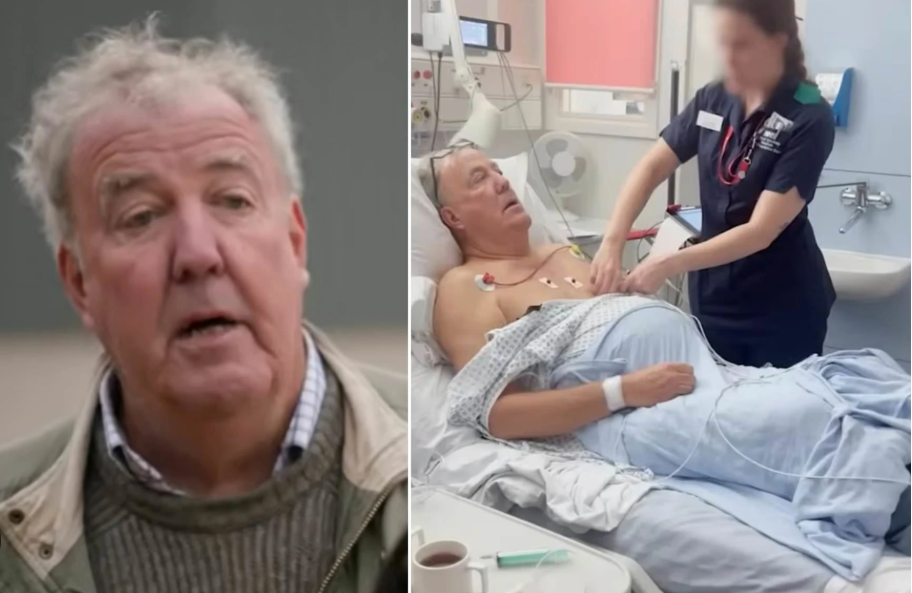
Jeremy Clarkson has never presented himself as a polished country gentleman who simply wandered into farming for television. The appeal of Clarkson’s Farm has always come from the opposite: a man used to noise, speed, opinion and machinery being forced to confront the unforgiving reality of British agriculture. That is why his reported determination not to drop Season 5 after a recent serious health setback feels like more than a personal statement. It may become one of the defining emotional threads of the new season.
From an analyst’s perspective, Clarkson’s Farm works because it is not just about farming. It is about pressure, learning, pride, failure, humour and the constant collision between ambition and reality. Each season has pushed Jeremy into situations where enthusiasm alone is not enough. Weather, bureaucracy, livestock, costs, planning rules and market pressures have all forced him to adapt. A health setback adds a different kind of challenge to that formula. It is not simply another obstacle on the farm; it is a reminder that even Clarkson’s forceful personality has limits.
Season 5, therefore, could carry a more reflective tone than previous instalments. Viewers may still expect the usual ingredients: Kaleb Cooper challenging Jeremy’s decisions, Charlie Ireland warning him about the numbers, Lisa Hogan bringing calm common sense to the chaos, and the farm itself creating fresh problems at every turn. But beneath the humour, there may be a more serious question running through the series: how does Jeremy continue to run Diddly Squat when his own body is telling him to slow down?
That question could shape the season in several ways. The most obvious development is that Jeremy may rely more heavily on the people around him. Clarkson’s Farm has already evolved from a one-man experiment into an ensemble story. Kaleb is no longer just the young farmer correcting Jeremy’s mistakes; he has become one of the programme’s central figures. Charlie is not merely an adviser; he represents the financial discipline that keeps the farm from becoming a very expensive hobby. Lisa has also become increasingly important, particularly through the shop, the pub and the public-facing side of the Diddly Squat brand.
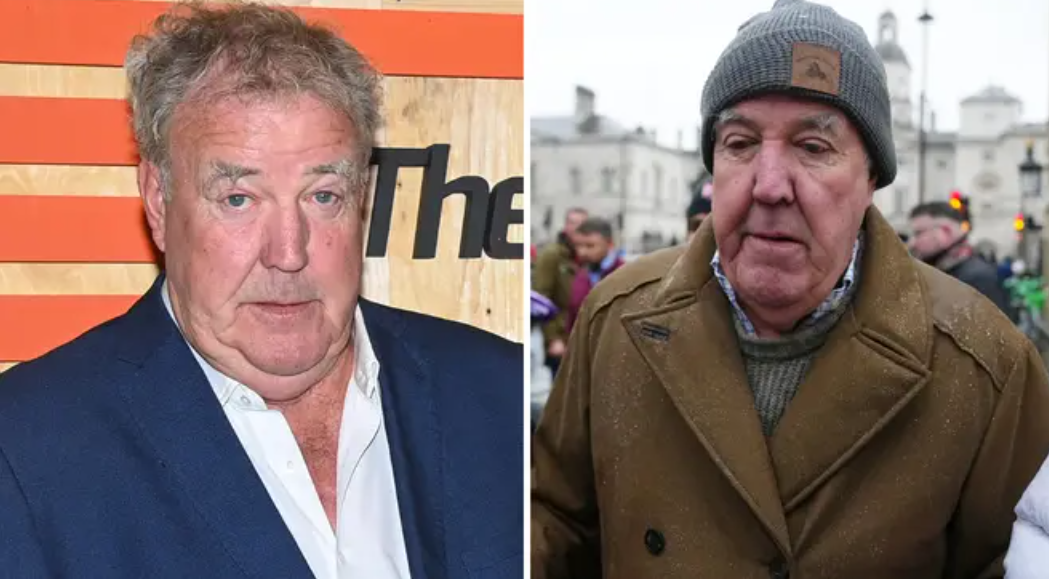
If Jeremy is determined to continue despite health concerns, Season 5 may show more delegation. That could make the show stronger. One of the richest areas for future storytelling is the tension between Jeremy wanting to stay in control and the reality that the farm now depends on a wider team. Viewers could see Kaleb taking on even more operational responsibility, Charlie becoming firmer about risk, and Lisa pushing Jeremy to make decisions that protect both the business and his wellbeing.
This would also fit the larger direction of Clarkson’s Farm. The series has gradually moved beyond the novelty of a TV presenter learning how to farm. It is now about whether Diddly Squat can survive as a serious agricultural business while carrying the weight of celebrity attention. Season 5 could deepen that theme. Jeremy’s determination not to step away may be admirable, but the programme will likely examine whether determination alone is enough when farming demands long hours, physical resilience and constant decision-making.
The recent health setback could also influence the way Jeremy approaches technology and efficiency. Previous seasons have shown him experimenting with machinery, new ideas and ambitious projects, often with mixed results. In Season 5, that experimentation may become more purposeful. If Jeremy cannot push himself in the same way physically, he may look for systems that reduce pressure, improve productivity and allow the farm to operate with greater structure. This could lead to a storyline about modernization, not as a vanity project, but as a practical necessity.
There is also a strong possibility that the season will connect Jeremy’s personal challenge with the wider struggles facing British farmers. Clarkson has often used the show to highlight how difficult farming can be, especially when costs rise, weather becomes less predictable, and policy decisions affect day-to-day life on the land. A health scare does not sit separately from that world. Many farmers face similar pressures: they work through pain, uncertainty and exhaustion because the animals, crops and bills do not wait. Season 5 could use Jeremy’s experience to underline a broader point about the human cost of farming.
For Prime Video, this creates a delicate balance. Clarkson’s Farm is at its best when it is honest without becoming heavy-handed. The producers will likely avoid turning the season into a purely personal health narrative. Instead, the issue may appear in smaller, more revealing moments: Jeremy being told to slow down, Kaleb growing frustrated when he overdoes things, Charlie warning that emotional decisions can become expensive, or Lisa quietly pushing him to think more carefully about the future.
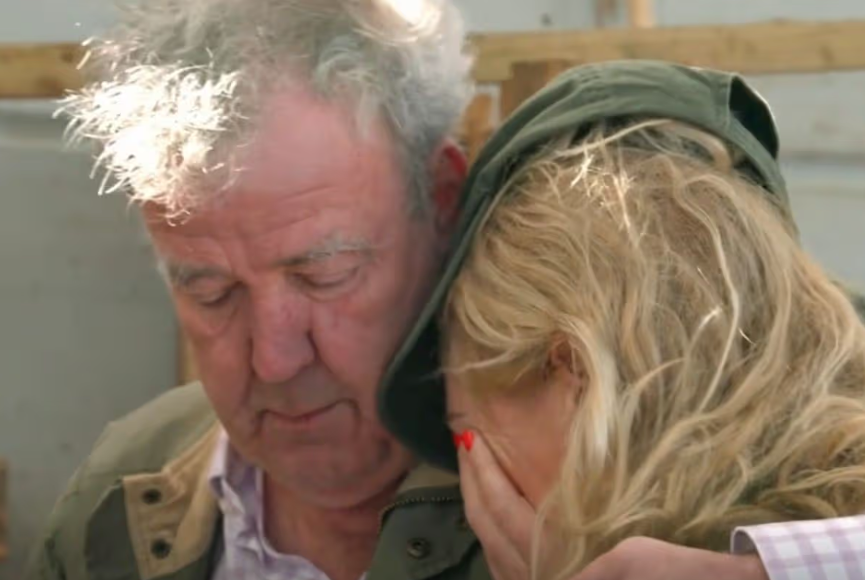
My prediction is that Season 5 will not present Jeremy as weakened, but as more aware. That is an important distinction. The audience does not watch Clarkson’s Farm because Jeremy always gets things right. They watch because he often gets things wrong, learns just enough to try again, and somehow turns the mess into something meaningful. A serious health setback could make that pattern more human. It may force him to consider whether the farm’s future depends less on his constant physical involvement and more on building a structure that can last.
This could also set up larger questions for Season 6 and beyond. If Jeremy is truly determined not to drop Season 5, fans will inevitably wonder how long he can keep pushing at the same pace. The answer may not be retirement or retreat. More likely, it will be evolution. Clarkson may move from being the chaotic centre of every task to becoming the strategist, investor, commentator and occasional troublemaker at the heart of Diddly Squat.
In that sense, Season 5 could become one of the most important chapters of Clarkson’s Farm. It may still deliver the machinery mishaps, sharp jokes, muddy setbacks and rural arguments viewers expect. But underneath, it could tell a more mature story about endurance, limits and adaptation. Jeremy Clarkson’s refusal to step away may bring fans back for the spectacle, but what keeps them watching could be something deeper: the sight of a man learning that saving the farm may also mean changing the way he fights for it.