“This will be my season”: Revealing why season 5 of ‘Clarkson’s Farm’ could be the end for Jeremy Clarkson
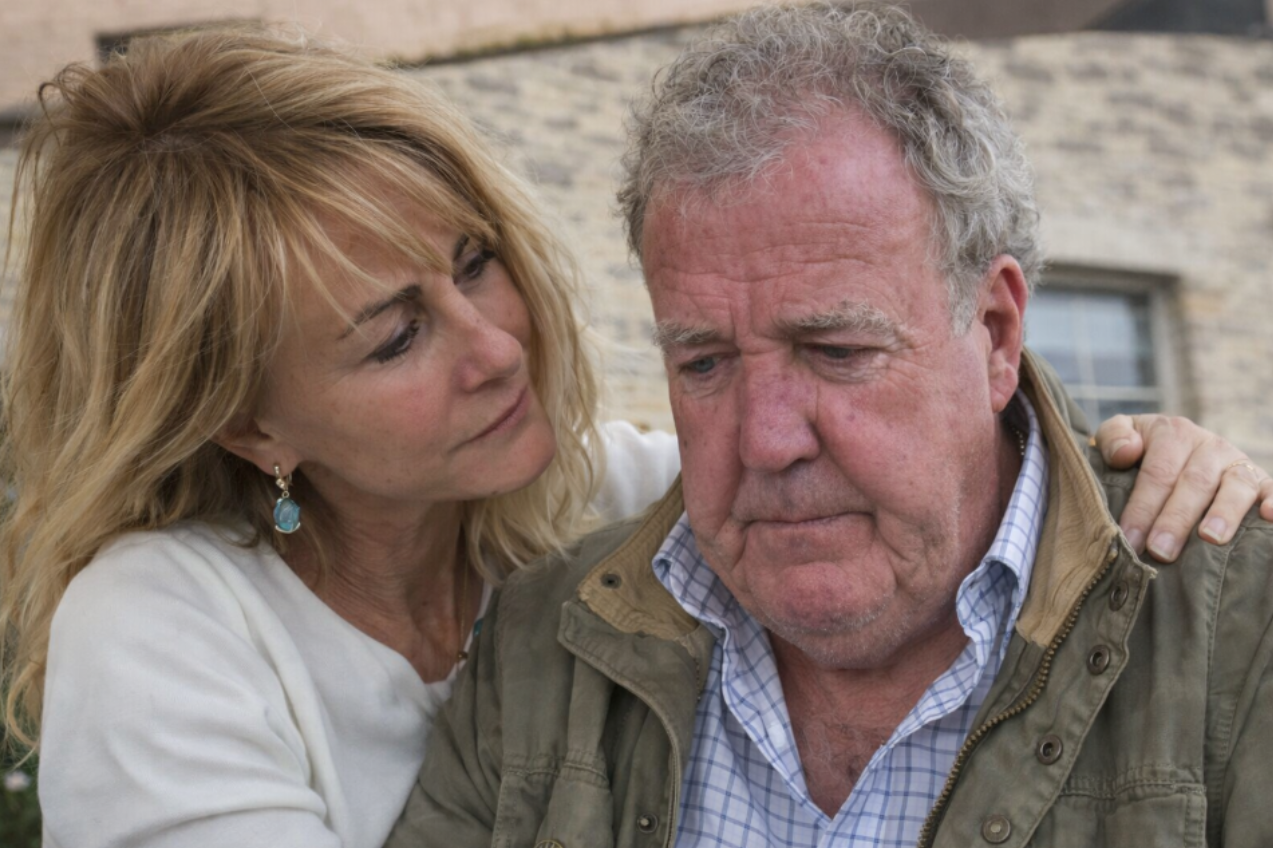
As the fields around Chipping Norton prepare for another year under the cameras, a quiet question is beginning to grow around Diddly Squat Farm: how much longer can Clarkson’s Farm continue?
The Prime Video series has become one of the most unlikely television success stories of recent years. What began as Jeremy Clarkson’s chaotic attempt to run a 1,000-acre farm has developed into a widely followed portrait of modern British agriculture. Fans have watched machinery fail, crops disappoint, sheep cause mayhem, planners object, weather ruin months of work, and Clarkson slowly discover that farming is far more demanding than it looks from the outside.
But as anticipation builds for the next season, speculation is increasing that the programme could be approaching a natural turning point. The question is not whether Clarkson’s Farm remains popular. By almost every measure, it does. The real question is whether its central figure can continue carrying the physical, financial and emotional weight of the story.
For Jeremy Clarkson, now in his mid-sixties, the farm has never been only a television set. It is a working business, a family asset, a public attraction, a local controversy, and a daily source of pressure. Unlike a studio-based entertainment programme, Clarkson’s Farm depends on real weather, real livestock, real crops and real financial consequences. That authenticity is exactly why viewers trust it. It is also why continuing the series may become increasingly difficult.
The physical demands alone are significant. Farming is not a symbolic role that can be performed from a distance. It requires early mornings, long days, heavy machinery, unpredictable animals and constant decision-making. Clarkson has often used humour to frame his struggles, but behind the jokes is a more serious reality. Agriculture is tiring, repetitive and unforgiving, especially when combined with the production schedule of a global television series.
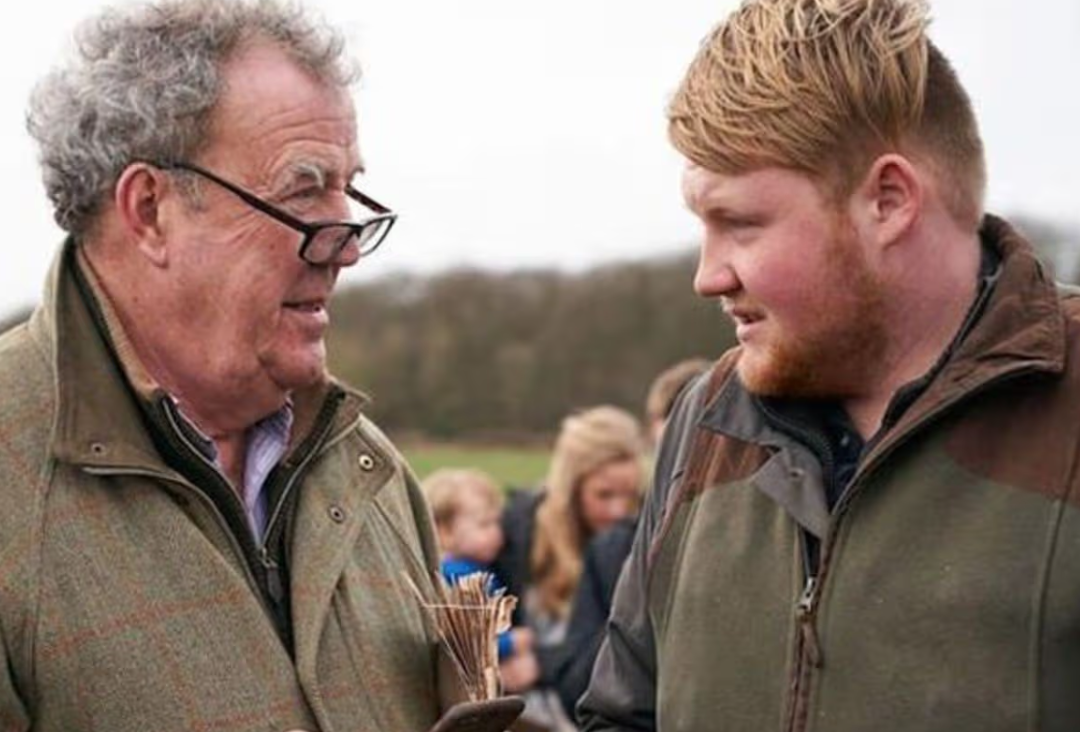
That strain has become an important part of the programme’s emotional texture. Clarkson is no longer the outsider simply playing at farming. He is a man visibly affected by the work, the weather and the repeated discovery that enthusiasm does not guarantee profit. If future episodes show him questioning whether he can continue at the same pace, it would not feel manufactured. It would be the logical result of everything the series has already shown.
The financial pressure may be just as important. Clarkson’s Farm has repeatedly highlighted the fragile economics of British agriculture. A farm can look valuable on paper while producing narrow or even negative returns in practice. Equipment costs, labour, feed, veterinary bills, fuel, seed, fertiliser, planning restrictions and weather losses can quickly reduce any apparent advantage.
This has always been one of the show’s strongest themes. Clarkson’s celebrity may make Diddly Squat unusual, but many of the pressures shown on screen are familiar to farmers across the country. The series has helped explain why land ownership does not automatically mean financial comfort, and why a single poor harvest can place a business under severe strain.
If the next season leans further into inheritance concerns, tax planning or long-term succession, it could mark a more serious phase for the programme. The comedy of Clarkson learning to farm would give way to a bigger question: what is the future of the land itself? That kind of storyline would fit naturally with the show’s evolution. It would also make any possible ending feel less like cancellation and more like conclusion.
Another major factor is Kaleb Cooper. When Clarkson’s Farm began, Kaleb was introduced as the young local farmer trying to teach Clarkson the basics. He quickly became one of the show’s standout figures, admired for his confidence, blunt honesty and practical knowledge. Over time, his role has grown far beyond that of a supporting character.
Kaleb now represents the next generation of farming. He understands the land instinctively, has built his own public profile, and often appears more capable of managing the practical work than Clarkson himself. That shift has changed the balance of the series. Clarkson remains the central attraction, but Kaleb increasingly carries the future-facing side of the story.
This creates an interesting dilemma. Could Clarkson’s Farm continue without Clarkson as the main figure? Technically, a version of the show focused on Kaleb, Harriet Cowan, Charlie Ireland, Lisa Hogan and the wider Diddly Squat team could exist. But emotionally, the title carries a clear promise. The heart of the format is Clarkson confronting the realities of farming with a mixture of arrogance, frustration, curiosity and grudging respect.
Without him at the centre, the show would become something different. It might still be engaging, but it would no longer have the same narrative engine. That is why many viewers believe the series has a limited natural lifespan. The programme works because Clarkson is learning, failing, arguing and adapting. Once that journey reaches its limit, the show may have said what it needed to say.
There is also the question of legacy. Clarkson’s Farm has arguably done more to bring mainstream attention to British farming than any recent political campaign. It has turned planning disputes, crop prices, livestock losses and rural bureaucracy into subjects of national conversation. It has shown viewers that farming is not a picturesque hobby, but a difficult industry shaped by policy, weather and cost.
That may ultimately be the show’s greatest achievement. It made farming visible without making it tidy. It allowed audiences to laugh, then left them with a deeper understanding of why farmers are often angry, exhausted or worried about the future.
Whether the next season is the beginning of the end remains uncertain. Prime Video would likely have strong reasons to continue such a successful series, and fans would clearly welcome more episodes. But television success does not remove the human burden behind the camera.
If Clarkson’s Farm is nearing its final harvest, it would not be because the format has failed. It would be because the story has reached the point every real farming story eventually reaches: the moment when ambition must meet age, cost, health, succession and the limits of endurance.
For now, Diddly Squat remains open, the cameras remain important, and the audience remains invested. But the mood around the next chapter may be more reflective than before. Fans may not simply be watching another season of comic rural chaos. They may be watching a man decide how much more of himself he is willing to give to the land.