Kaleb Cooper’s call to young farmers sparks controversy ahead of season 5 of Clarkson’s Farm.
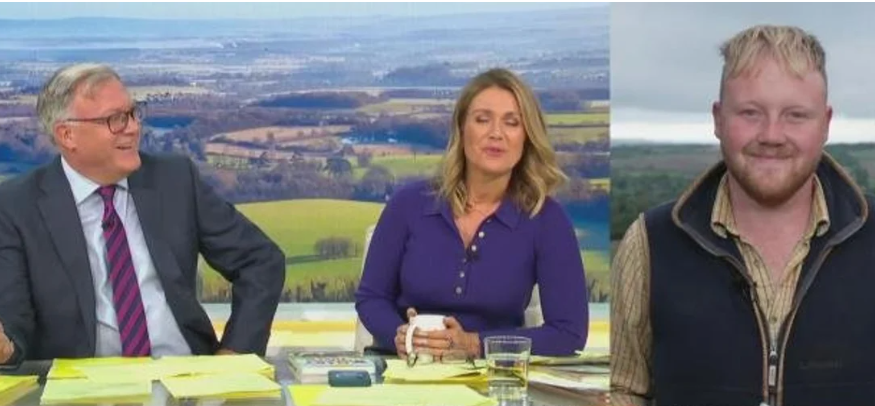
As anticipation builds for Clarkson’s Farm Season 5, the conversation around Diddly Squat appears to be moving beyond Jeremy Clarkson’s familiar battles with machinery, mud and bureaucracy. This time, the spotlight is increasingly falling on Kaleb Cooper, whose voice has become one of the clearest and most recognisable in modern British farming.
Kaleb first entered the series as the sharp-tongued young contractor trying to guide Clarkson through the realities of agricultural work. Over time, he has become much more than a supporting figure. To many viewers, he now represents the future of British farming: practical, direct, passionate and deeply connected to the land. His recent message encouraging children and young people to consider farming as a serious career path adds a new layer to his public role.
Speaking in connection with Cereals, the UK’s major arable farming event, Kaleb reportedly argued that young people should not be discouraged from entering agriculture, even as the industry faces rising costs, policy uncertainty and financial pressure. At a time when many farming families are openly questioning whether the next generation should follow them into the field, Kaleb’s stance is striking.
From the perspective of a Clarkson’s Farm analyst, this matters because it signals a shift in Kaleb’s place within the show’s wider story. He is no longer just the young farmer correcting Clarkson’s mistakes. He is becoming an advocate for the industry itself. That change could be central to how Season 5 is framed.
British agriculture is currently facing a difficult mood. Farmers are dealing with high operating costs, unpredictable weather, tight margins and uncertainty over future tax and inheritance rules. For many families, the question is no longer simply how to farm better, but whether farming remains viable for the next generation. Against that background, Kaleb’s belief in farming as a meaningful career path sounds almost defiant.
His argument appears to rest on a simple but powerful point: a country still needs people willing to produce food, manage land and understand rural life from the ground up. Technology and finance may attract young talent, but farming requires intelligence, resilience and practical skill just as much as any modern profession. Kaleb’s message is that agriculture should not be treated as a last resort, but as a career that deserves ambition and respect.
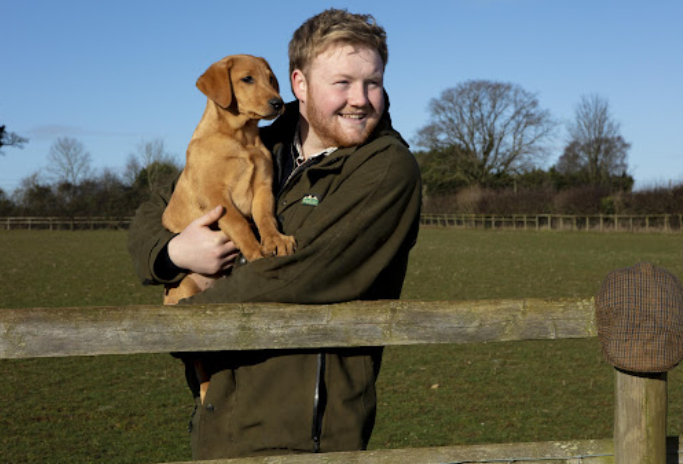
What makes his view more persuasive is his own background. Kaleb is often described as a first-generation farmer, which gives him a different relationship with the land than those who inherit farms through family lines. He knows the barriers are real. Land is expensive. Equipment is costly. Work is physical. Access can be difficult for young people without family backing. Yet his success shows that farming can still offer identity, purpose and opportunity for those determined enough to pursue it.
That tension could become a strong narrative thread in Season 5. Clarkson’s Farm has always worked best when comedy gives way to a larger truth. The show makes viewers laugh, but it also shows how fragile the business of farming can be. Kaleb’s latest comments could push the season toward a broader question: who will farm Britain in the future?
If the series follows this theme, viewers may see Kaleb taking on a more mentor-like role. Harriet Cowan’s growing profile, along with the presence of younger contractors and workers around Diddly Squat, gives the show a chance to explore generational change in a natural way. Kaleb could be shown not just doing the work, but explaining it, defending it and passing on what he knows.
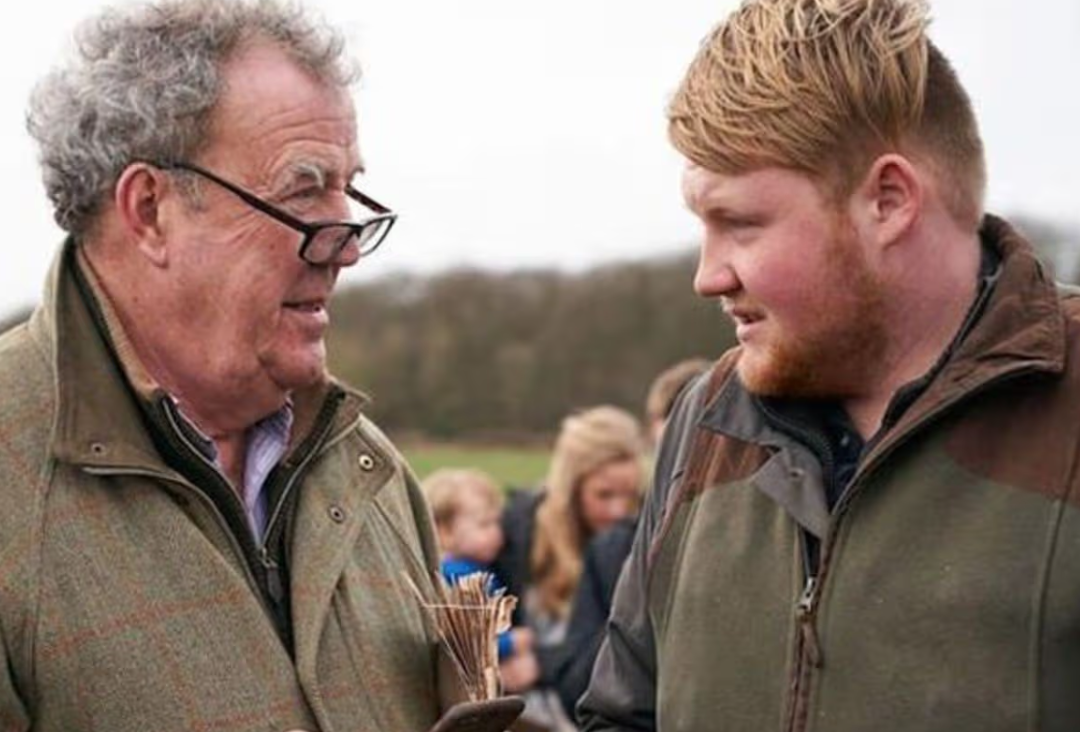
That would be an important evolution. Jeremy Clarkson remains the biggest name in the programme, but the show’s future-facing energy increasingly comes from Kaleb. Clarkson often represents the outsider’s view: curious, frustrated, sometimes overwhelmed, and constantly discovering how difficult farming really is. Kaleb represents the insider’s view: the person who already understands the demands and still believes the work is worth doing.
This contrast could shape the emotional direction of Season 5. If Clarkson is shown struggling with cost, policy, weather or exhaustion, Kaleb’s optimism may become even more significant. He is not pretending farming is easy. His appeal lies in the fact that he knows exactly how hard it is and still argues that young people should not walk away from it.
There is also likely to be public debate around his position. Some viewers may find his message inspiring, especially those who believe rural industries need stronger support and new blood. Others may see it as too idealistic in a sector where financial pressure can be severe. That divide would actually strengthen the storyline, because Clarkson’s Farm has always thrived on showing that farming is both deeply rewarding and brutally difficult.
As an analyst, I would predict that Season 5 may position Kaleb as the moral center of the farming argument. Clarkson can expose the absurdity of the system. Charlie Ireland can explain the numbers. Lisa Hogan can bring the human and community dimension. But Kaleb can speak directly to the question of why anyone would still choose farming in the first place.
That question may become one of the most important of the season. If young people are told that farming is too hard, too risky or too uncertain, then the long-term future of rural Britain becomes less secure. Kaleb’s answer appears to be that passion must come first, but passion also needs opportunity, training and public respect.
In that sense, his message is not simply promotional. It reflects the larger purpose Clarkson’s Farm has developed over time. The series has brought farming into mainstream conversation in a way few programmes have managed. It has shown the public that food production is not automatic, countryside life is not simple, and farmers are not just background figures in a national economy.
Kaleb Cooper’s latest stance may therefore mark a turning point. Season 5 could show him moving from breakout television personality to a genuine voice for the next generation of agriculture. Whether viewers agree with him or not, his argument places the future of farming at the heart of the show.
Clarkson may still bring the chaos, the humour and the headline moments. But Kaleb increasingly brings the conviction. If Season 5 explores that balance properly, it could become one of the most meaningful chapters of Clarkson’s Farm yet.