Jeremy Clarkson Officially Speaks Out: The Stunning Truth Behind The Viral Physical Altercation
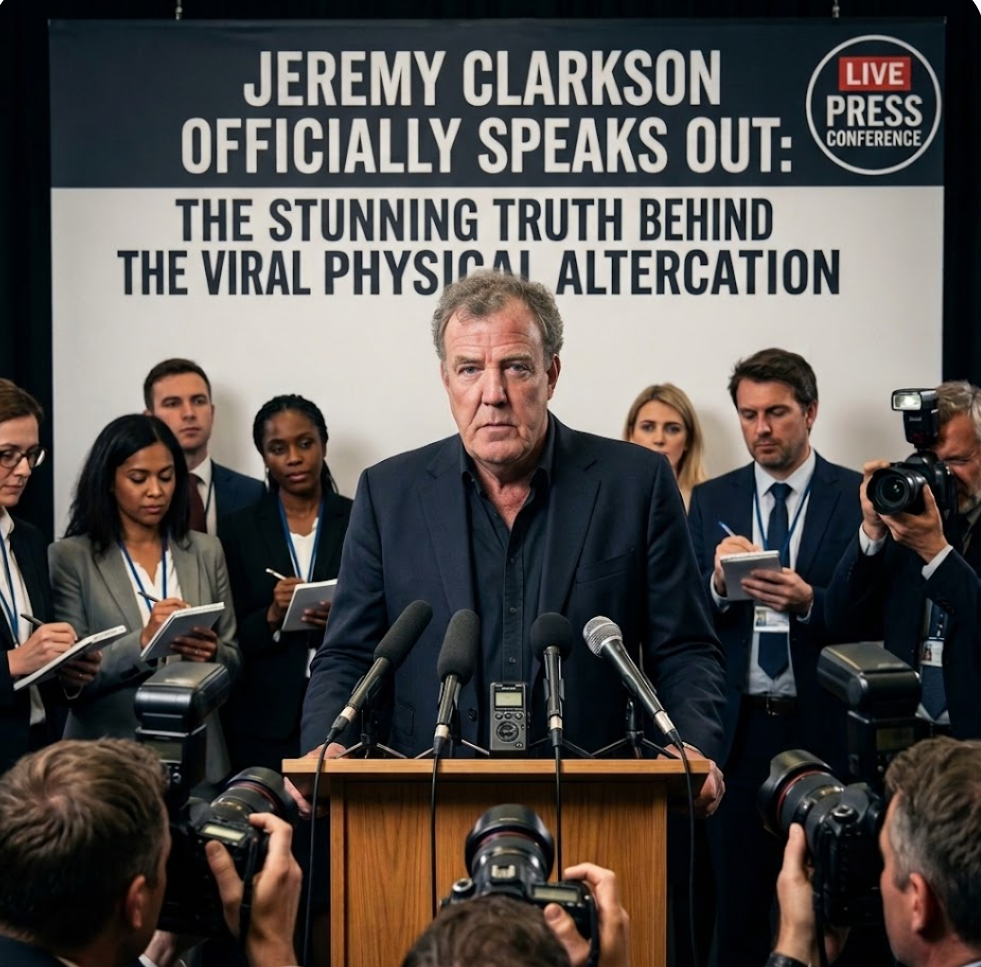
For a programme built on mud, machinery, weather, planning disputes and rural frustration, Clarkson’s Farm has never needed manufactured tension to keep viewers watching. The real pressures of farming have always been enough. Yet the latest viral claim surrounding Jeremy Clarkson and an alleged physical altercation has pushed the series into a different kind of spotlight — one that sits outside the fields of Diddly Squat and inside the louder, less forgiving world of public opinion.
If Clarkson has now officially spoken out, the significance goes beyond one incident or one headline. It becomes a test of how Clarkson’s Farm handles controversy, how Jeremy manages his public image, and how the show protects the unusually strong bond it has built with viewers.
Clarkson’s Farm works because audiences feel they are watching something more honest than a celebrity vanity project. Jeremy Clarkson is not presented as a perfect farmer. He is impatient, outspoken, frequently wrong, often funny, and repeatedly dependent on the people around him. Kaleb Cooper brings practical knowledge. Charlie Ireland brings financial discipline. Lisa Hogan brings business sense and warmth. Gerald Cooper brings local history and emotional texture. Together, they turn Diddly Squat into a television ecosystem where mistakes are not hidden — they are part of the appeal.
That is why a viral altercation claim is so sensitive. The audience accepts Clarkson’s frustration when it is directed at a broken machine, an impossible council process, or his own lack of farming experience. But when online discussion shifts toward a physical confrontation, the tone changes immediately. Viewers no longer see only the chaos of farming. They start asking questions about judgement, pressure, and the boundaries of behaviour under stress.
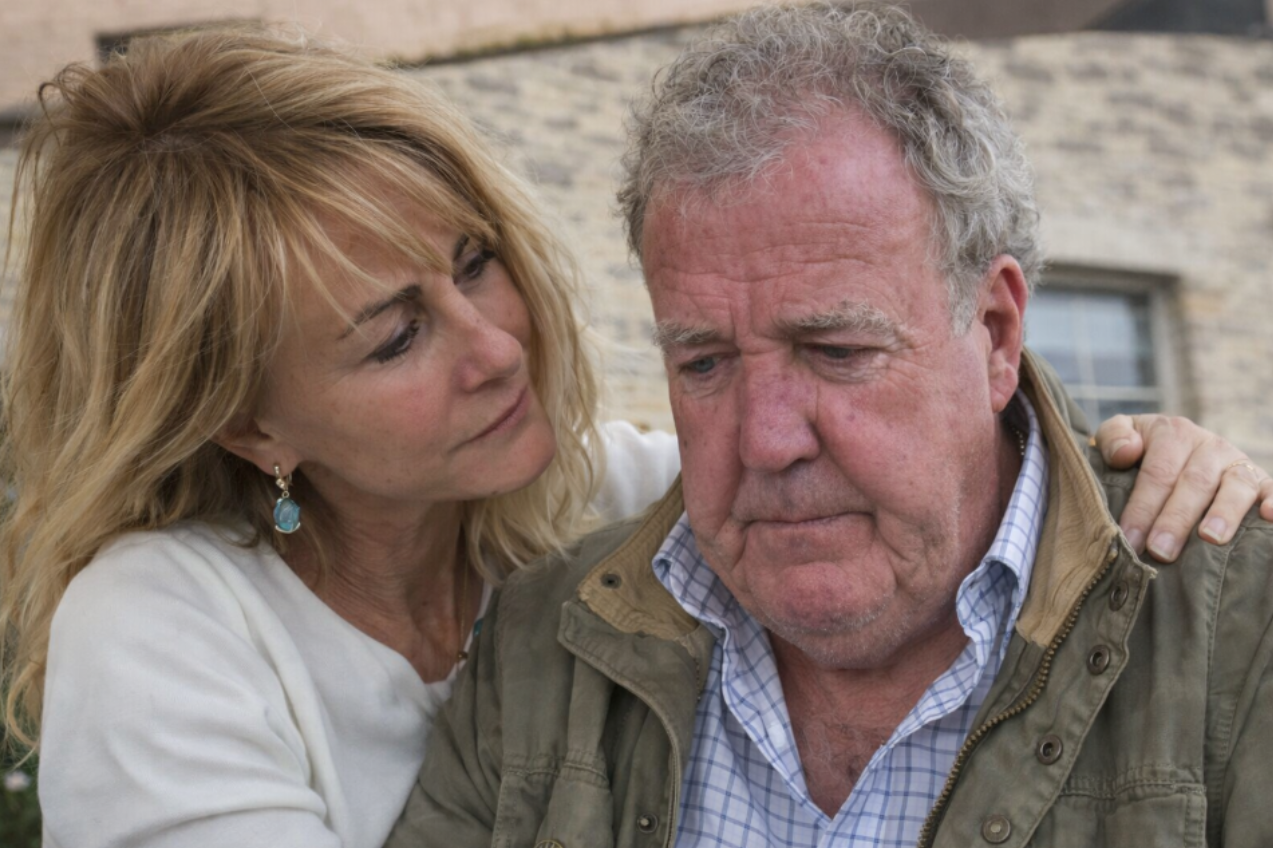
From an analyst’s perspective, Clarkson’s response would be crucial. The worst possible approach would be to dismiss the public reaction as noise. Clarkson’s brand has always depended on bluntness, but Clarkson’s Farm has softened him in the eyes of many viewers. The series has shown a more vulnerable side of him — a man overwhelmed by farming, moved by livestock, frustrated by bureaucracy, and increasingly aware of the fragile economics facing British farmers. If he speaks out with clarity and restraint, he can keep the focus on context rather than allowing speculation to define the story.
The key question is what version of Jeremy Clarkson viewers are likely to see next. Will the programme lean into the pressure he is under at Diddly Squat? Will it show how public attention has made farm life harder, not easier? Or will the series avoid the subject entirely and keep the focus on farming operations, Kaleb’s role, and the next round of financial challenges?
The most likely outcome is a controlled, indirect approach. Clarkson’s Farm does not usually operate like a tabloid response machine. It lets situations unfold through observation, humour and consequence. If the controversy becomes part of the show’s wider narrative, it may appear not as a sensational centrepiece, but as another example of how intense life around Diddly Squat has become. The farm is no longer just a farm. It is a tourist destination, a media brand, a local flashpoint, and a symbol in national debates about agriculture.
That matters because pressure has become one of the programme’s central themes. Jeremy is not simply growing crops. He is managing public expectation, business expansion, planning disputes, local criticism, supply problems, and the emotional demands of being constantly watched. A viral incident, even if misunderstood or exaggerated online, would fit into that broader story: what happens when a farm becomes too famous for its own good?
Kaleb Cooper’s role could become even more important in the aftermath. Viewers often see Kaleb as the grounding force of Clarkson’s Farm — direct, practical, and rooted in real agricultural knowledge. If Jeremy’s public image is tested, Kaleb’s presence helps stabilise the programme. He represents the working-farmer perspective that keeps the show credible. Future episodes may lean more heavily on Kaleb’s competence, showing that Diddly Squat is not dependent on Jeremy’s personality alone.
Charlie Ireland would also become central. While Kaleb deals with practical farming, Charlie understands risk: financial risk, reputational risk, and operational risk. If an online controversy threatens the business side of Diddly Squat, Charlie would likely be the person reminding Jeremy that public trust has real economic value. Farm shops, pubs, produce lines, events and local relationships all depend on reputation. Clarkson may be used to criticism, but a rural business cannot operate on celebrity resilience alone.
Lisa Hogan’s role may also expand. She often provides a more measured, human counterbalance to Jeremy. In a storyline shaped by public reaction, Lisa could become the voice of emotional perspective, asking not only what happened, but what the fallout means for the people working around the farm. Clarkson’s Farm is strongest when it shows that every decision affects more than Jeremy himself.
The broader prediction is that this controversy could push the next phase of Clarkson’s Farm toward a more mature tone. Earlier seasons focused on Jeremy learning how difficult farming is. More recent developments have shown the farm becoming a serious business with national attention. The next step may be examining the cost of that attention. Fame brings customers, but it also brings scrutiny. It can help farmers’ issues reach millions, but it can also turn every tense moment into a viral debate.
For Jeremy Clarkson, the challenge is not simply to explain one incident. It is to preserve the credibility Clarkson’s Farm has earned. Fans have supported the programme because they believe it has done something valuable: showing farming as hard, expensive, emotional and misunderstood. If the conversation becomes dominated by a viral controversy, that message risks being overshadowed.
But there is another possibility. If handled carefully, this could become a turning point that makes the show stronger. Clarkson has always been most compelling when forced to confront consequences. A clear public statement, followed by a season that shows the pressure, responsibility and human cost of running Diddly Squat, could deepen the programme rather than damage it.
In the end, the real question is not only what happened behind the viral claim. It is what Clarkson does next. Clarkson’s Farm has survived because it turns mistakes into lessons and chaos into insight. If Jeremy can do that again, this may become less about controversy and more about accountability, pressure and the difficult reality of living under constant public attention.