‘Be persistent’: Clarkson’s Farm star supports Australian farmers’ struggle against unfair government policies.
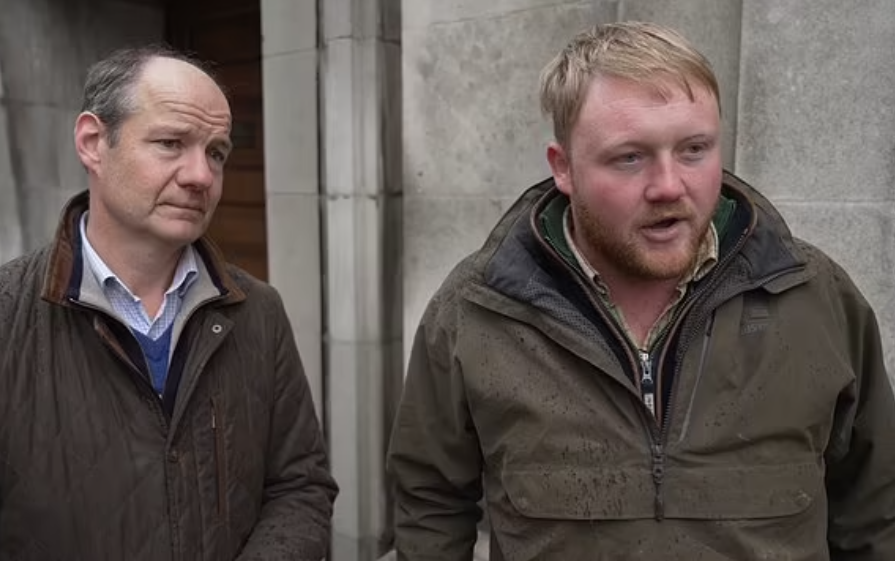
Kaleb Cooper’s rise on Clarkson’s Farm has always been built on more than comic timing or his ability to correct Jeremy Clarkson in the middle of a field. What made him stand out was his direct connection to farming itself. He was not introduced as a television personality trying to understand agriculture. He arrived as a working farmer with practical knowledge, strong opinions and a clear sense of what rural life demands.
That is why the idea of Kaleb supporting Australian farmers in their struggle against unfair government policies carries real weight. A message such as be persistent fits naturally with the public image he has built: young, blunt, loyal to farmers and deeply aware that agriculture often feels misunderstood by people far away from the land.
From a Clarkson’s Farm analyst’s perspective, this moment could mark a significant shift in Kaleb’s public role. He is no longer only Jeremy Clarkson’s adviser at Diddly Squat. He is becoming a wider voice for farming, especially among younger viewers who may not normally follow agricultural politics or rural policy debates.
The connection with Australia is particularly important. Kaleb’s solo project, Kaleb: Down Under, places him in a much larger farming landscape than the fields he knows in Oxfordshire. Australian agriculture brings different weather pressures, larger landholdings, water concerns, export challenges and a very different relationship between farmers and government decision-making. For Kaleb, seeing those realities up close could deepen his understanding of how similar the frustrations of farmers can be across countries.
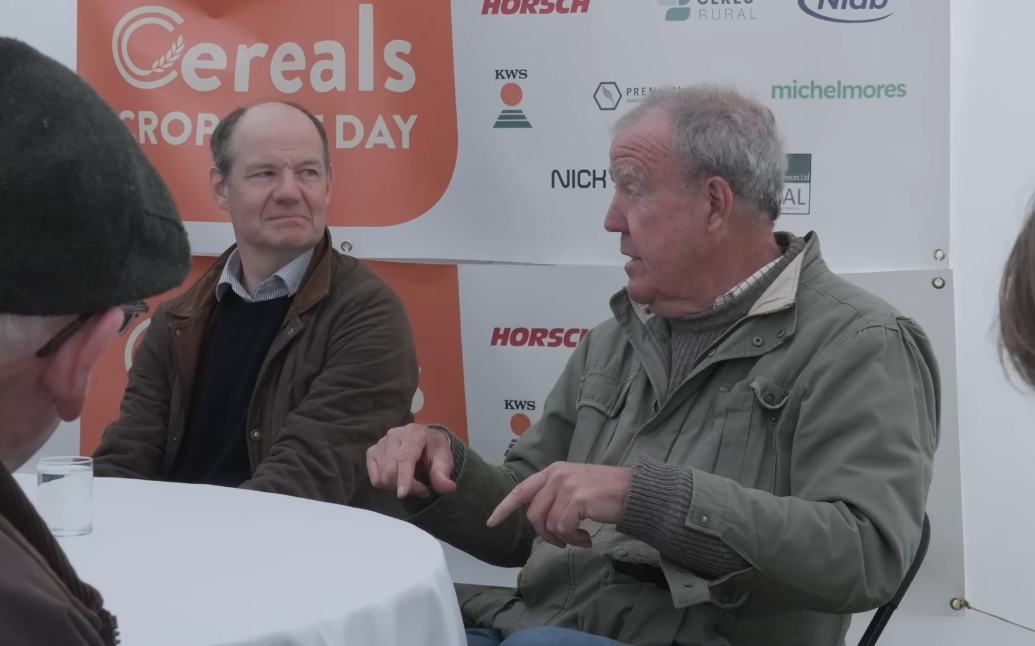
That is the strongest narrative angle here. Clarkson’s Farm has always shown that farming problems are rarely isolated. Planning rules, rising costs, weather damage, animal welfare demands, supply chain issues and public misunderstanding all collide at once. If Kaleb begins speaking about Australian farmers, the show’s message expands. It suggests that the difficulties seen at Diddly Squat are not just British problems. They are part of a wider global conversation about how societies treat the people who produce food.
The phrase be persistent also matters because it does not sound like a celebrity slogan. It sounds like practical rural advice. Farmers cannot simply walk away when policies change, prices fall or weather ruins a season. They adapt, argue, work longer hours and try again. Kaleb’s strength as a television figure is that he can communicate that reality without making it feel abstract.
If this storyline were explored in future Clarkson’s Farm content or adjacent Prime Video programming, it could create a powerful contrast between Kaleb and Jeremy. Clarkson often reacts to government pressure with frustration, sarcasm and public confrontation. Kaleb’s approach may be more generational. He understands the anger, but he may frame persistence as a long-term survival strategy rather than a single public argument.
That difference could become central to the next phase of the Clarkson’s Farm universe. Jeremy remains the famous disruptor, the man whose presence brings attention to farming. Kaleb, however, may become the bridge between entertainment and the working farming community. He has credibility because he speaks like someone who has lived the job, not merely observed it for television.
There is also a career development angle. Kaleb’s solo work in Australia gives him the opportunity to prove that his appeal travels beyond Diddly Squat and beyond Jeremy Clarkson. If Australian farmers respond warmly to him, it will show that his brand is not limited to one farm or one co-star. It is rooted in something broader: a young farmer speaking plainly about the realities of the industry.
The prediction is that Kaleb’s public support for farmers outside Britain will become more common. As his profile grows, he may increasingly be asked to comment on rural issues, farming policy and the future of agriculture. That could be valuable, but it also comes with risk. The more political the subject becomes, the more careful he will need to be. A television audience may enjoy blunt honesty, but policy debates can quickly become complicated.
The best path for Kaleb is likely to stay close to the human side of farming. Rather than becoming a formal political commentator, he can focus on what farmers actually experience: uncertainty, paperwork, rising costs, changing rules, and the emotional pressure of trying to keep a family business or working life alive. That is where his voice feels strongest.
For Clarkson’s Farm, this could also open new storytelling opportunities. Future episodes may place more emphasis on how farmers in different countries face similar obstacles. Kaleb’s Australia experience could feed back into his conversations with Jeremy, Charlie Ireland and other figures around Diddly Squat. He may return with a broader view of scale, resilience and policy pressure.
That would be a natural evolution for the programme. Clarkson’s Farm began as a story about one celebrity learning how difficult farming can be. It has grown into a series about rural systems, local tensions and the fragile economics behind food production. Kaleb’s support for Australian farmers could push that theme even further by showing that the same frustrations exist far beyond the Cotswolds.
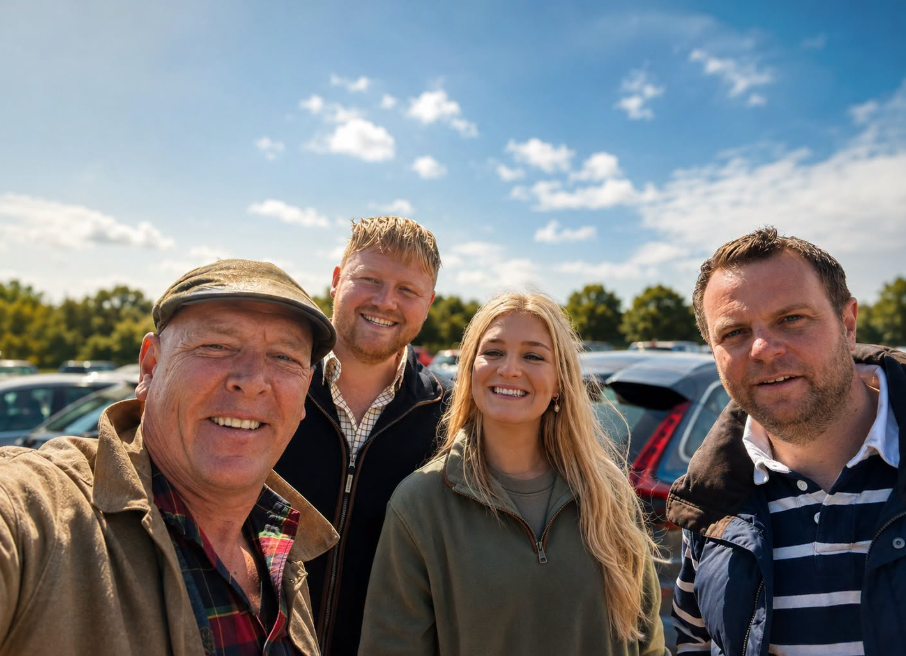
The emotional core remains simple. Kaleb Cooper represents a generation of farmers who want to work, grow and be taken seriously. When he tells farmers to be persistent, the message is not only about resisting unfair decisions. It is about refusing to let rural life be defined by people who do not understand it.
That is why this moment could matter. It shows Kaleb stepping into a larger role, not as a polished campaigner, but as a farmer whose voice carries because it feels earned. If Clarkson’s Farm continues to follow that journey, viewers may see Kaleb become one of the most important farming figures to emerge from British television in years.
For Australian farmers, his support may be symbolic. For the Clarkson’s Farm audience, it may be a sign of something bigger: Kaleb Cooper is no longer just reacting to Jeremy Clarkson’s mistakes. He is beginning to speak for farmers on a much wider stage.