Rick Ness caused a sensation in the gold mining world with his $395 million investment in high-capacity gold panning equipment.
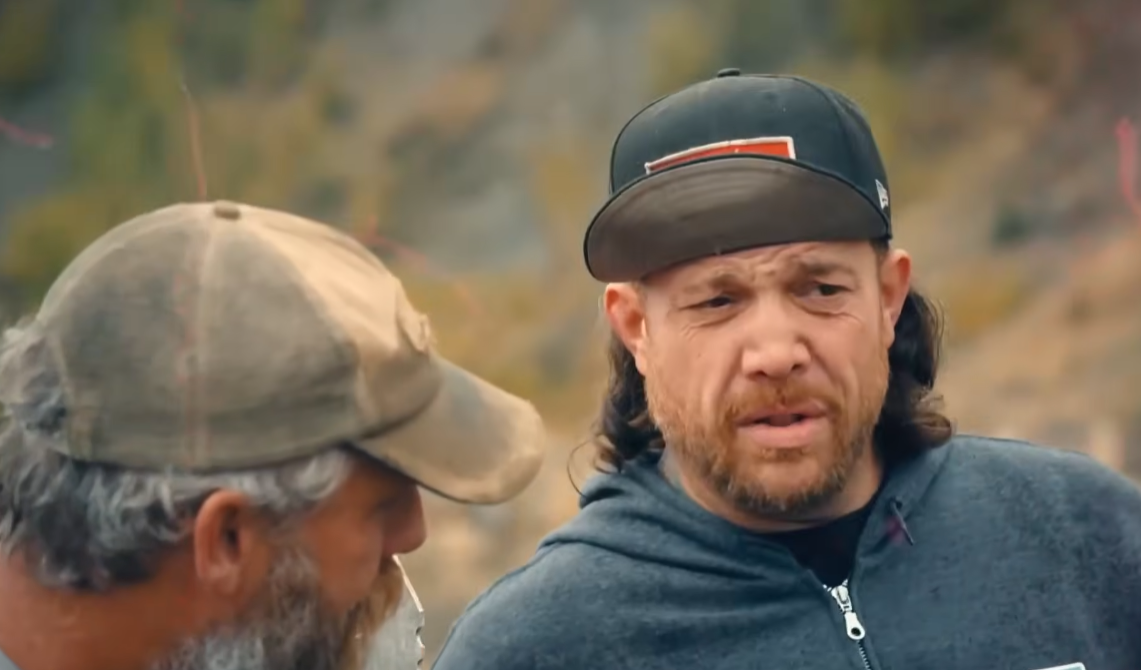
In a remarkable twist that has stunned the gold mining industry from the Yukon to South America, Rick Ness, once written off by sponsors and competitors, has made an astounding comeback. Known for his leadership on Gold Rush, Ness has defied the odds and turned a rusted, abandoned trommel into what is now being hailed as one of the greatest underdog stories in mining history. His gamble on this massive, discarded machine has not only reshaped his future but is setting a new standard in gold extraction.
The Million-Dollar Scrap Heap
The journey to success began when Rick Ness made a bold decision: to purchase a massive trommel that had been left for scrap in the wilderness. Dismissed by every major operator for years, the trommel was considered nothing more than a worthless pile of rusted metal. But Ness saw something the others didn’t: the machine’s previous owners had abandoned it not because the gold had run out, but because their recovery systems were flawed. Rather than chasing fresh ground, Ness decided to take on what was left behind, figuring that the gold buried in the tailings was still ripe for extraction.
Ness’s gamble paid off in ways no one expected. Analysts now estimate that the potential value of the gold trapped in the missed tailings and surrounding sediment could be as much as $395 million. This hidden gold, buried by outdated systems and neglected over the years, had eluded miners for decades. But Ness’s strategic vision and innovative approach breathed new life into the abandoned machine.
Restoration: A Monumental Feat
What followed was nothing short of an engineering miracle. A team of specialists was brought in to restore the trommel, strip away years of corrosion, and modernize the machinery. The result was not a relic from the past, but a high-efficiency gold-extracting powerhouse capable of recovering fine particles of gold that traditional 20th-century mining systems had missed.
“The gold recovery rate we’re seeing here is staggering,” a crew member said. “We’re pulling in gold day after day, and it’s higher than we’ve ever seen. This isn’t just a recovery project—it’s a money-printing machine.”
What makes this success even more incredible is the fact that the trommel is processing the very soil that was once written off by others. By focusing on previously worked land, Rick has managed to tap into one of the richest deposits in the Klondike. The machine’s revival has turned an old mining operation into one of the most profitable on the market today.
The Ripple Effect: Shaking the Industry
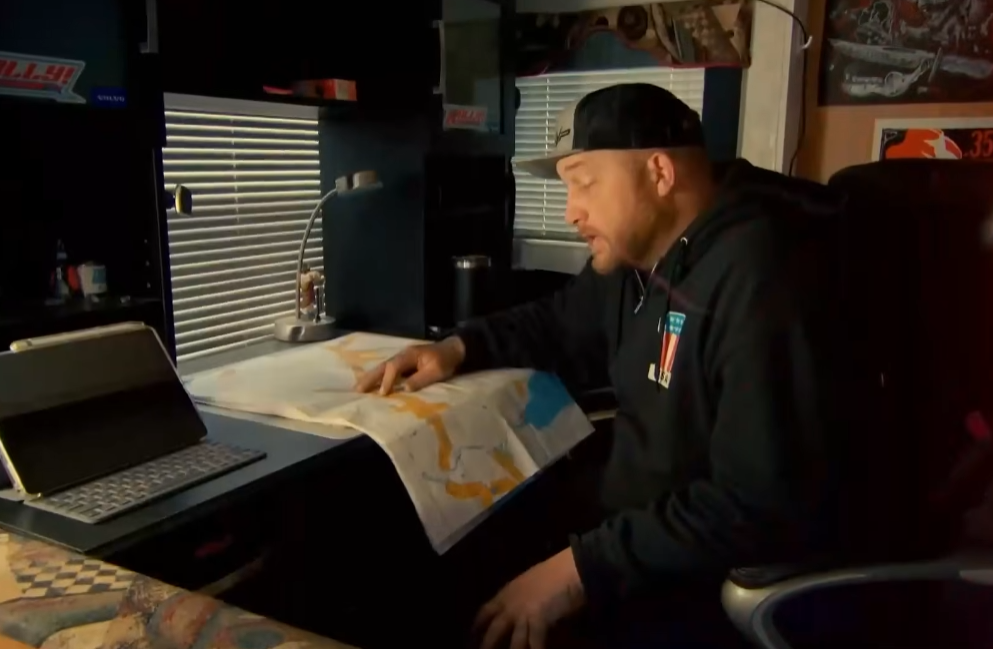
The success of Rick Ness’s operation has sent shockwaves through the gold mining industry. For years, the mining world has placed an emphasis on the purchase of new, expensive equipment, often at the cost of the environment. In contrast, Ness has proven that upgrading and reusing old, forgotten machinery can not only be more sustainable but also far more profitable.
The economic and environmental impact of Ness’s approach is already being felt. Local mining towns, once quiet and struggling, are seeing a resurgence of business. Restaurants, hardware stores, and local suppliers are all benefiting from the influx of workers supporting the revitalized operation. Even environmentalists have taken note, praising Ness for his “less waste” approach. By focusing on previously disturbed land and reusing old equipment, he has drastically reduced the ecological footprint usually associated with a massive gold strike.
“We’re not just mining for gold; we’re mining for sustainability,” Ness said in a recent interview. “This approach isn’t just about making money; it’s about doing it the right way—using what we already have and making it work better than ever.”
The Quest for Perfection: A New Era in Gold Mining
Despite the overwhelming success, the operation has not been without its challenges. Recently, the team noticed an uneven distribution of gold in the sluice boxes, leading to a tense investigation into the sub-surface deposits. However, Ness remains focused and undeterred. To combat these issues, he’s brought in a new fleet of high-resolution drones that map gold-rich areas with surgical precision, ensuring every ounce of gold is recovered.
“Rick didn’t just strike gold,” an industry expert noted. “He struck a chord with an industry that had become too comfortable with old methods. He showed everyone that sometimes the best ideas aren’t new. They’ve just been forgotten under years of rust.”
As the trommel continues to churn through the Klondike’s soil, the implications of Ness’s success are far-reaching. This isn’t just about mining gold—it’s about revolutionizing the entire industry. If the rest of the mining world follows suit, we could see a wave of technological innovations and sustainable practices that could change how gold is mined for good.
The Future of Mining: A New Standard
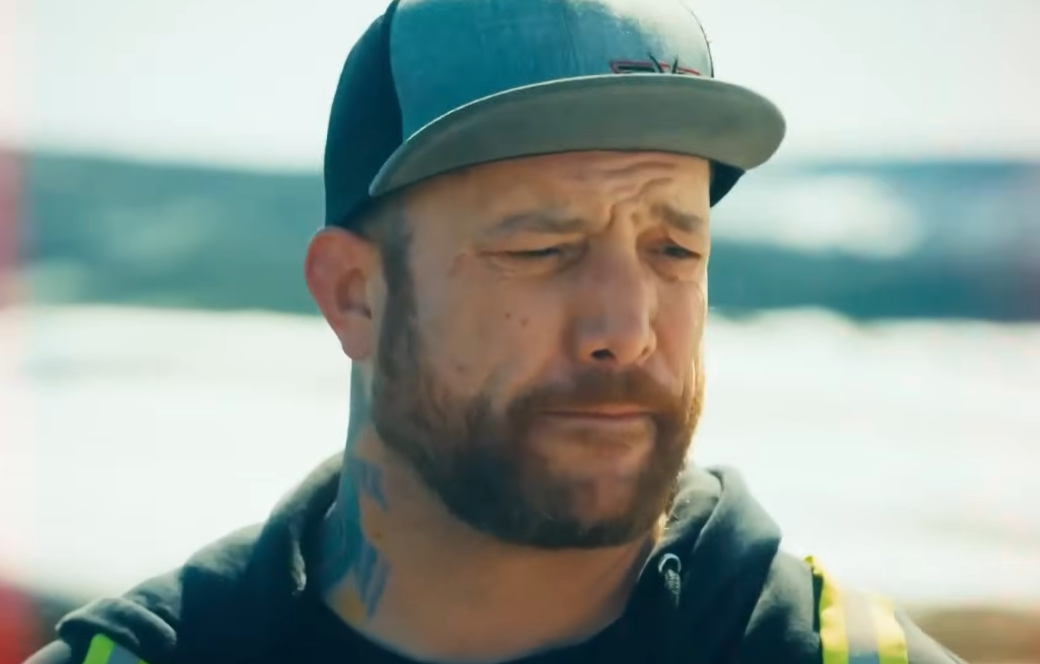
The transformation of Rick Ness’s operation serves as a powerful reminder that sometimes, the greatest opportunities are buried beneath the surface, waiting for someone to see them. His willingness to invest in the past, rather than chasing the latest trends, has brought him not just gold, but an entirely new perspective on how to approach mining.
As we look ahead to the future, one thing is certain: Rick Ness’s success will be a benchmark in the mining industry for years to come. His ability to turn a forgotten piece of equipment into a profitable, sustainable operation shows that with the right vision and a little bit of creativity, even the most overlooked resources can yield extraordinary results.
Ness’s journey has only just begun, and as he continues to innovate and redefine the gold mining process, the world will be watching. His story is more than just a tale of striking gold—it’s a story of resilience, ingenuity, and the relentless pursuit of perfection. And with $395 million on the line, the real question is: what’s next for Rick Ness?