Unveiling the secrets and scandals of the Clarkson ranch, the untold story from an insider.
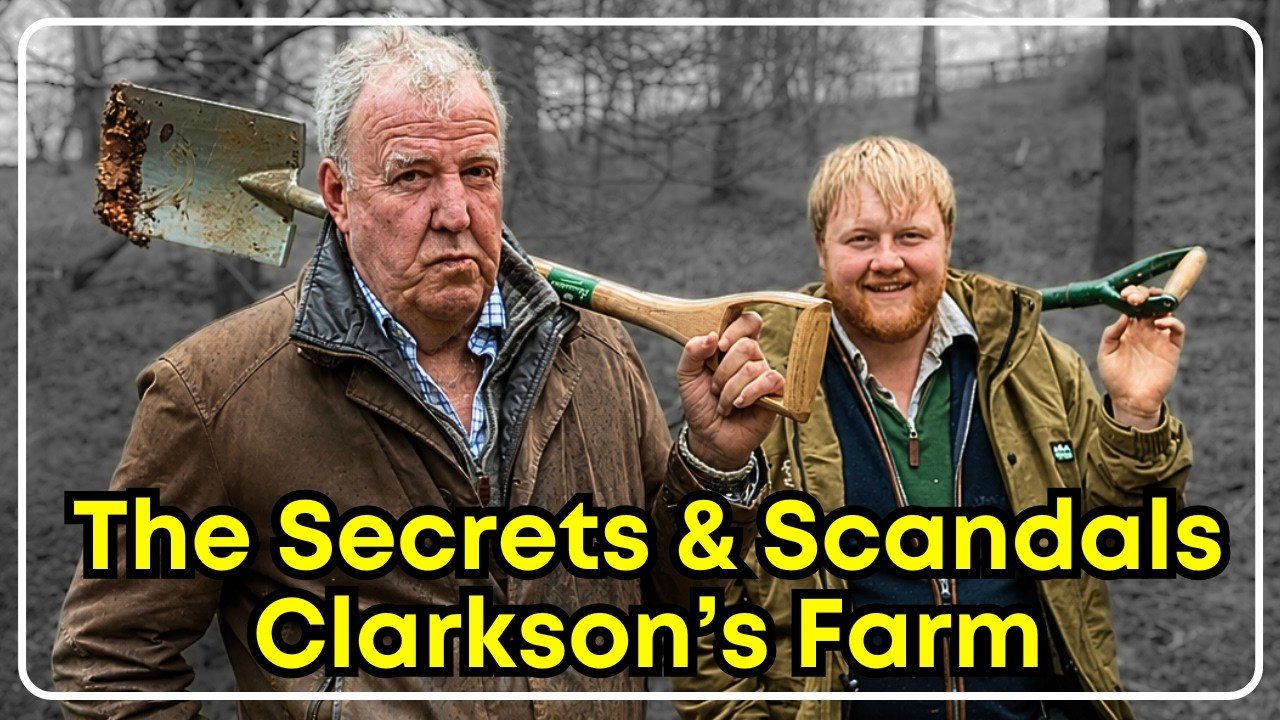
When Clarkson’s Farm first arrived, many viewers expected a light rural spin-off built around Jeremy Clarkson’s familiar television persona. What they found instead was something much sharper, more revealing, and unexpectedly serious. Beneath the mud, broken machinery, comic misunderstandings, and arguments over planning rules, the first season became one of the most effective portraits of modern British farming in recent television.
For decades, Clarkson had been known as a loud, opinionated and often divisive broadcaster. His reputation had been built around cars, confrontation, and a style of entertainment that left little room for softness. Then he arrived at Diddly Squat Farm in the Cotswolds, standing in fields at dawn, worrying about crops, livestock and weather. The result was not a simple image reset, but something more unusual: a public figure known for certainty suddenly appeared uncertain, underqualified and genuinely humbled.
That change was central to the success of the series. Clarkson did not simply play at being a farmer. He discovered, often painfully, that farming was far more complex than he had imagined. The show worked because it allowed viewers to watch that education unfold in real time. His confidence met soil conditions, machinery failures, livestock problems and unforgiving financial realities. Again and again, the land proved indifferent to fame.
The most important figure in that education was Kaleb Cooper. At just 21 when filming began, Kaleb was already deeply rooted in the local farming world. He understood the land not as scenery, but as a working system. His relationship with Clarkson quickly became one of the show’s strongest elements, not because it was staged for comedy, but because it revealed an honest gap between theory and experience.
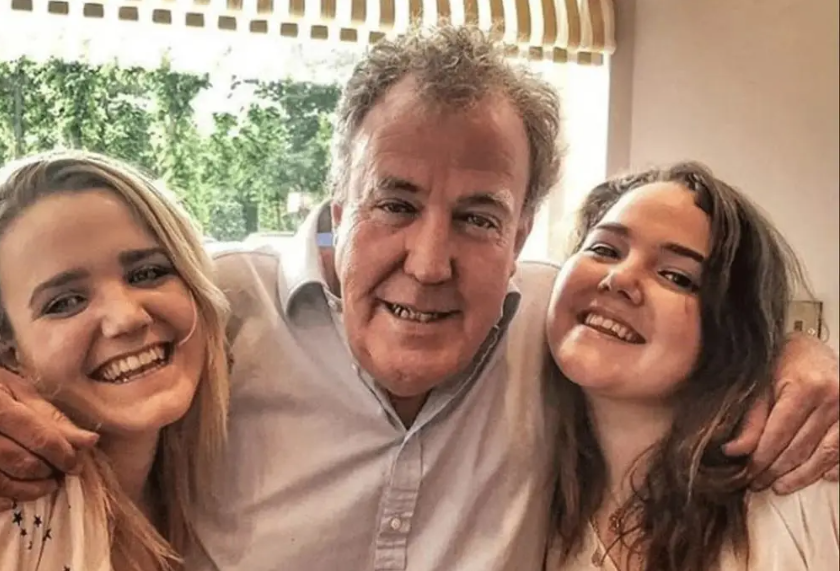
Kaleb’s role was bigger than correcting Clarkson’s mistakes. He represented practical knowledge in a country that often undervalues it. He became the voice of every skilled worker who has had to explain reality to someone arriving with confidence but limited experience. His blunt assessments cut through the fantasy of rural life and exposed the hard arithmetic beneath it.
One of the most revealing moments came when Kaleb made clear that an ordinary farmer in Clarkson’s position would not be able to survive financially. The point was simple but powerful. Clarkson had celebrity, capital and a platform. Most farmers do not. That short exchange helped explain much of what later followed: the farm shop, branded products, beer, the pub, events and other forms of diversification. These were not merely television side plots. They were responses to the central economic problem of farming itself.
The Diddly Squat Farm Shop became the most visible example of that tension. On screen, it looked like a charming rural enterprise: local produce, handwritten signs and a converted farm building. In reality, it quickly became a destination. Viewers drove to the Cotswolds in huge numbers, overwhelming narrow lanes and drawing frustration from local residents. What seemed like a modest farm shop became a symbol of the clash between rural enterprise, tourism and community disruption.
That conflict led directly into another core theme of the series: bureaucracy. Planning disputes in Clarkson’s Farm were often framed with humour, but they touched a nerve with viewers far beyond the farming world. Applications, restrictions, inspections and local objections became part of the story. The show tapped into a familiar British frustration: the sense that building or improving something often means entering a slow and exhausting battle with rules.
This is where the series became more than entertainment. Clarkson’s Farm was not overtly political in the traditional sense, but it was filled with political meaning. It showed farming as a profession caught between economic pressure, environmental regulation, public opinion and planning control. Many viewers who had never run a farm still recognised the broader feeling of trying to do something practical while being slowed by systems that felt distant and inflexible.
Charlie Ireland, Clarkson’s land agent, became the calm professional counterweight to that chaos. His role was often understated, but essential. While Clarkson brought ideas, Charlie brought consequences. He understood regulations, costs and risks. His careful explanations gave the series its adult supervision, showing that farming is not only physical labour but also paperwork, compliance and long-term planning.
Gerald Cooper added another layer of authenticity. His accent and rural shorthand made him a memorable screen presence, but his importance went beyond humour. Gerald represented local continuity, a lifetime of experience, and a way of speaking and working that existed long before cameras arrived. He was not performing for television. He was simply part of the place, and that made him one of the most genuine figures in the series.
The deepest achievement of season one was its rejection of the countryside fantasy. Many people imagine farming as a return to simplicity: fresh air, honest labour and a slower life. Clarkson’s Farm dismantled that idea. It showed farming as financially uncertain, physically demanding, emotionally draining and administratively complex. Weather could undo careful planning. Machinery could fail at vast cost. Animals required constant care. Crops could disappoint despite months of work.
Clarkson entered Diddly Squat expecting a challenge, but the challenge was larger than he appeared to anticipate. By the end of the season, he had learned that farming was not a lifestyle experiment. It was a serious profession built on expertise, patience and risk. That lesson became the real story of the show.
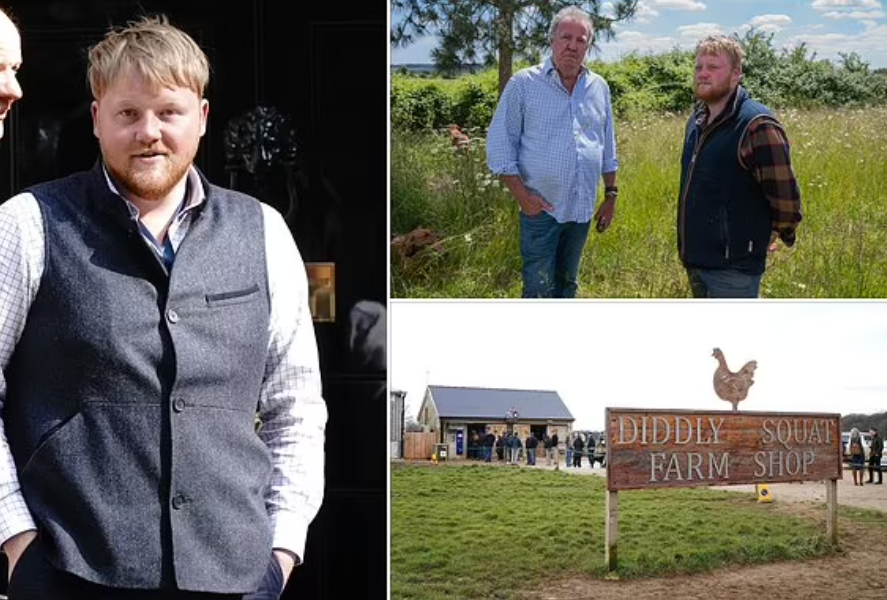
The reason Clarkson’s Farm resonated so strongly was not simply that it made Jeremy Clarkson more likeable. It was that it revealed the distance between how farming is imagined and how farming actually works. Viewers saw a famous man discover, publicly and repeatedly, that confidence is no substitute for knowledge. They also saw the people around him — Kaleb, Charlie, Gerald and others — quietly demonstrate the skill required to keep a farm functioning.
Season one did more than launch a successful rural series. It changed the conversation around British farming by making its pressures visible to a mainstream audience. The tractors, sheep and shop queues were entertaining, but the real power of Clarkson’s Farm came from its honesty. It showed that behind every field is a complicated network of costs, rules, labour, weather and decisions.
That is why the first season still matters. It was not simply about Jeremy Clarkson buying a farm. It was about a man known for being certain discovering an industry where certainty rarely survives contact with reality. In that process, Clarkson’s Farm became one of the most unexpected and valuable television studies of rural Britain in years.