Fury Boils Over as Jeremy Clarkson Targets Government in Bonfire Protest
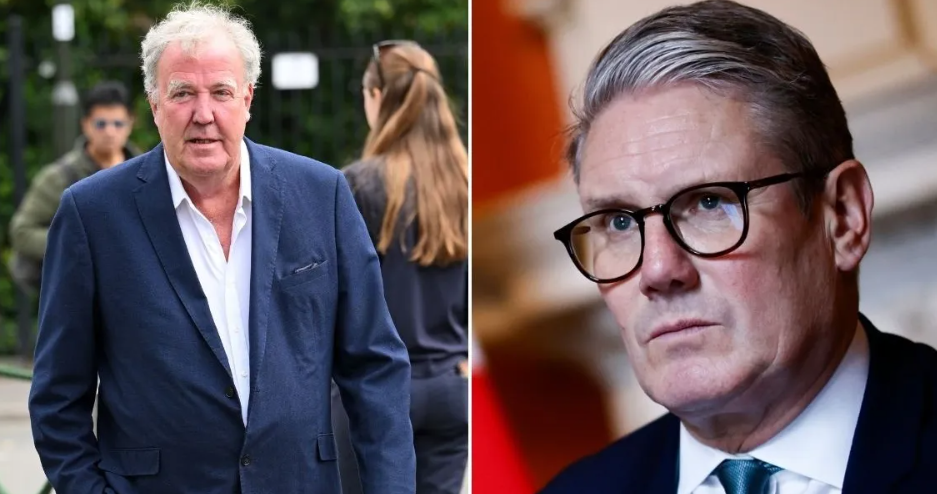
Jeremy Clarkson has once again made headlines with a highly publicised protest against the government’s proposed inheritance tax hikes, this time taking aim at Prime Minister Keir Starmer. The outspoken television presenter, known for his irreverent style on Clarkson’s Farm, staged a dramatic act on Bonfire Night that quickly went viral, underscoring his frustration with policies he says threaten the livelihoods of UK farmers.
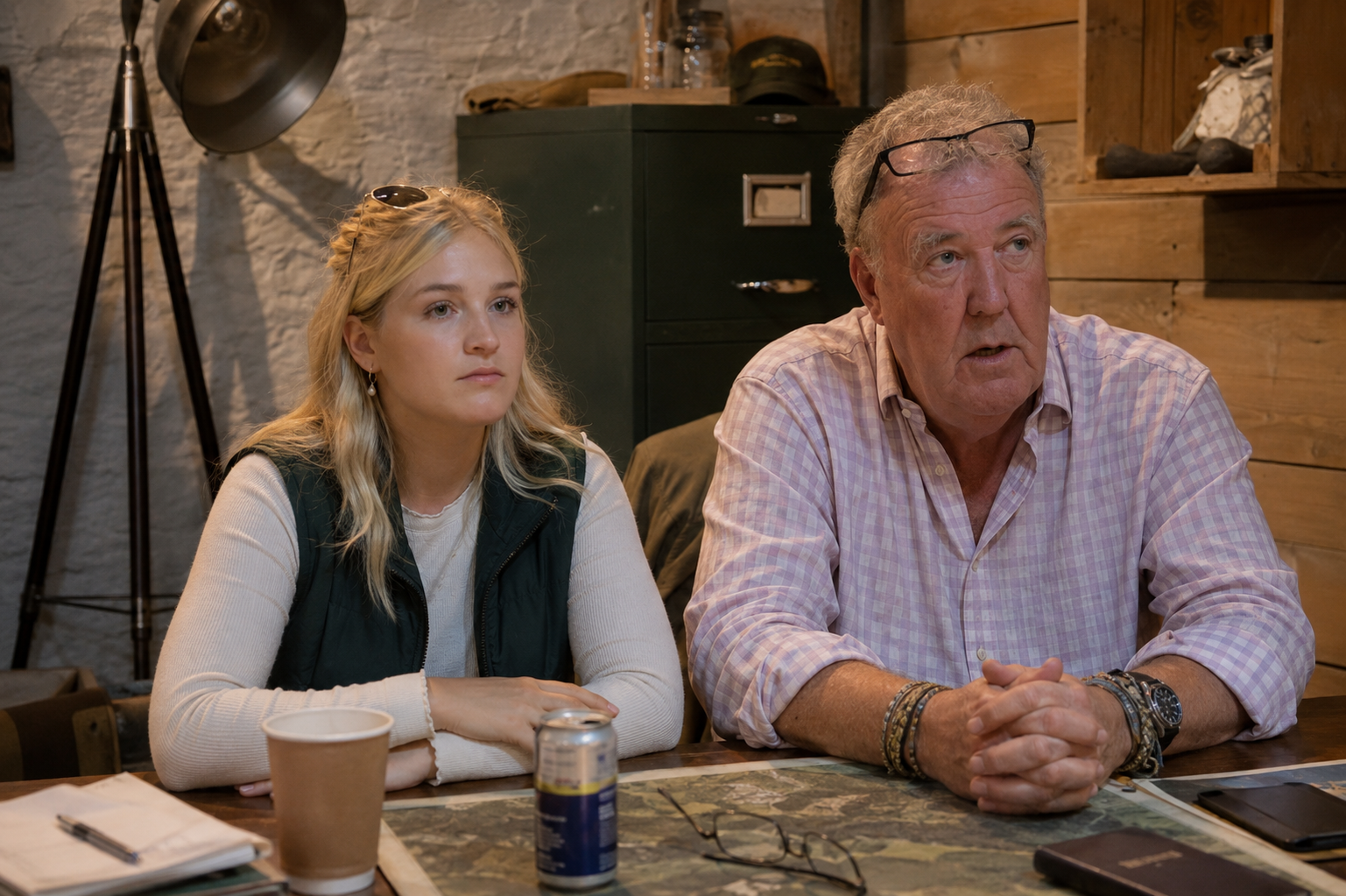
In the new season of Clarkson’s Farm, set to premiere on 3 June, Clarkson is seen explaining to farm companion Kaleb Cooper the history of Guy Fawkes and the tradition of burning effigies on Bonfire Night. “But you don’t have to have Guy Fawkes on the top of the bonfire; you can put anything you don’t like,” Clarkson tells Cooper. True to his word, Clarkson crafted an effigy of Starmer, prodding it with a stick before placing it at the top of a bonfire. The stunt came days after Chancellor of the Exchequer Rachel Reeves delivered her October 2024 Budget, which included a proposed 20 per cent inheritance tax on farms valued above £1 million.
“Given the strength of feelings around here post-Budget, it felt good to make fun of the government,” Clarkson said, reflecting on the Bonfire Night protest. “But all of us knew that to try and stop this astonishing attack on British farming, fun wouldn’t cut it – and that soon, we’d have to get serious.”
That seriousness materialised weeks later when Clarkson joined an estimated 10,000 to 40,000 people protesting the tax hikes. Farmers and supporters rallied to urge the government to reconsider its plans, highlighting what they described as hidden hardships in rural communities. Speaking to The Times during the protests, Clarkson argued that one of the challenges politicians face is that rural poverty is often invisible.
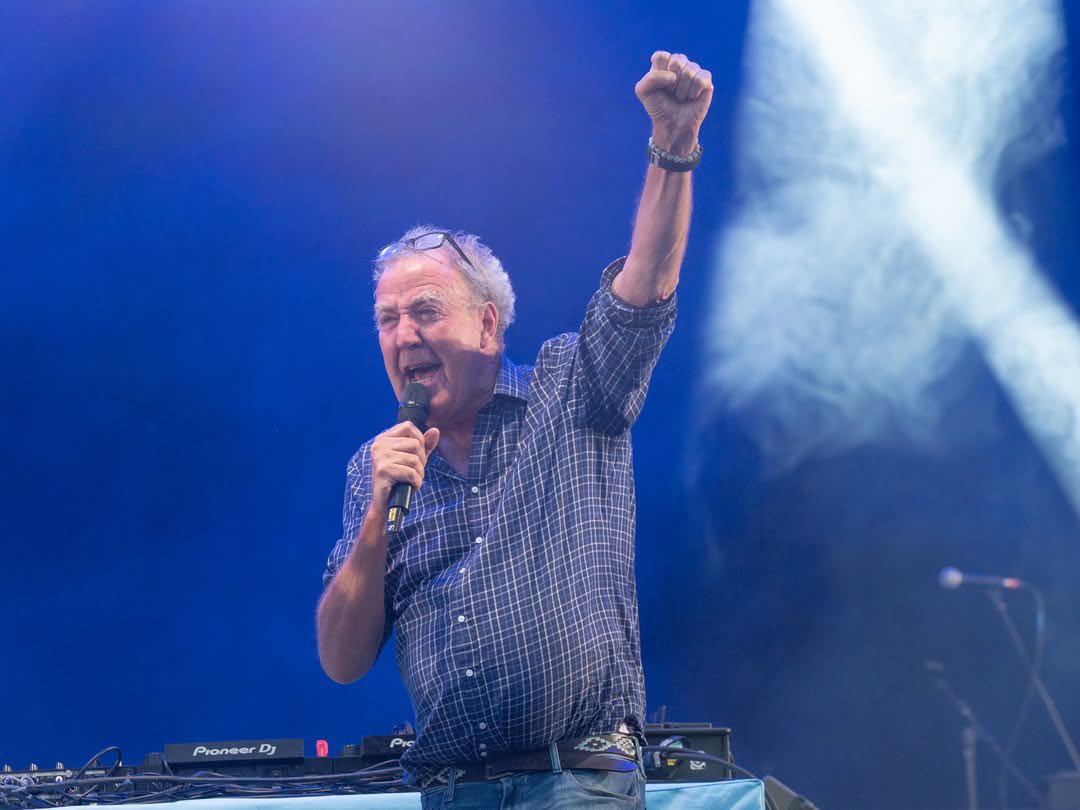
“Yes. And one of the problems we have on the show is we’re not showing the poverty either, because obviously on Diddly Squat, there isn’t any poverty,” Clarkson explained. “But trust me, there is absolute poverty. I’m surrounded by farmers. It’s people with 200 acres, 400 acres. Way past Rachel Reeves’s threshold. They are f***ed.”
He cited the example of Harriet Cowan, Cooper’s former temporary farm manager replacement, who aspires to inherit her father’s farm but cannot afford to do so. “So she works on the farm four days a week and then is a nurse for three days a week,” Clarkson said. “She never goes on holiday. She never has a night off, can’t go out. She’s got no money to spend.” The anecdote emphasises the financial pressure on farming families despite their apparent landholdings.
The Bonfire Night protest was not Clarkson’s first act of defiance against government figures. Earlier, he banned Starmer from his Cotswolds pub, The Farmer’s Dog, citing the Prime Minister’s perceived lack of support for small business and rural communities. “He’s actually the first person to be banned,” Clarkson told Times Radio. “It’s actually on a board in the hall. He hasn’t done much to endear himself to me yet.”
The inheritance tax debate has struck a chord in farming communities across the UK, with critics warning that high taxes could force long-established family farms to sell or be divided. Clarkson’s public protests, both in front of cameras and in real life, have brought the issue into the national conversation, combining his role as a TV personality with his position as a passionate advocate for rural Britain.
While the Bonfire Night effigy and the large-scale protest are unlikely to sway policy alone, Clarkson’s actions highlight the growing tension between government taxation plans and the realities of modern farming. His campaign underscores the financial vulnerability of small and medium-sized farms, and the struggle to preserve rural livelihoods in the face of regulatory and fiscal pressures.
As the debate continues, Clarkson remains vocal, blending theatrical protest with real-world activism. Whether through television specials or public demonstrations, the former Top Gear host is ensuring that the voices of farmers across the UK are heard — and that their concerns about taxation and survival in modern agriculture remain firmly in the public eye.