Clarkson’s Farm in 2026: Assessing the True Value of Jeremy Clarkson’s Cotswolds Holdings
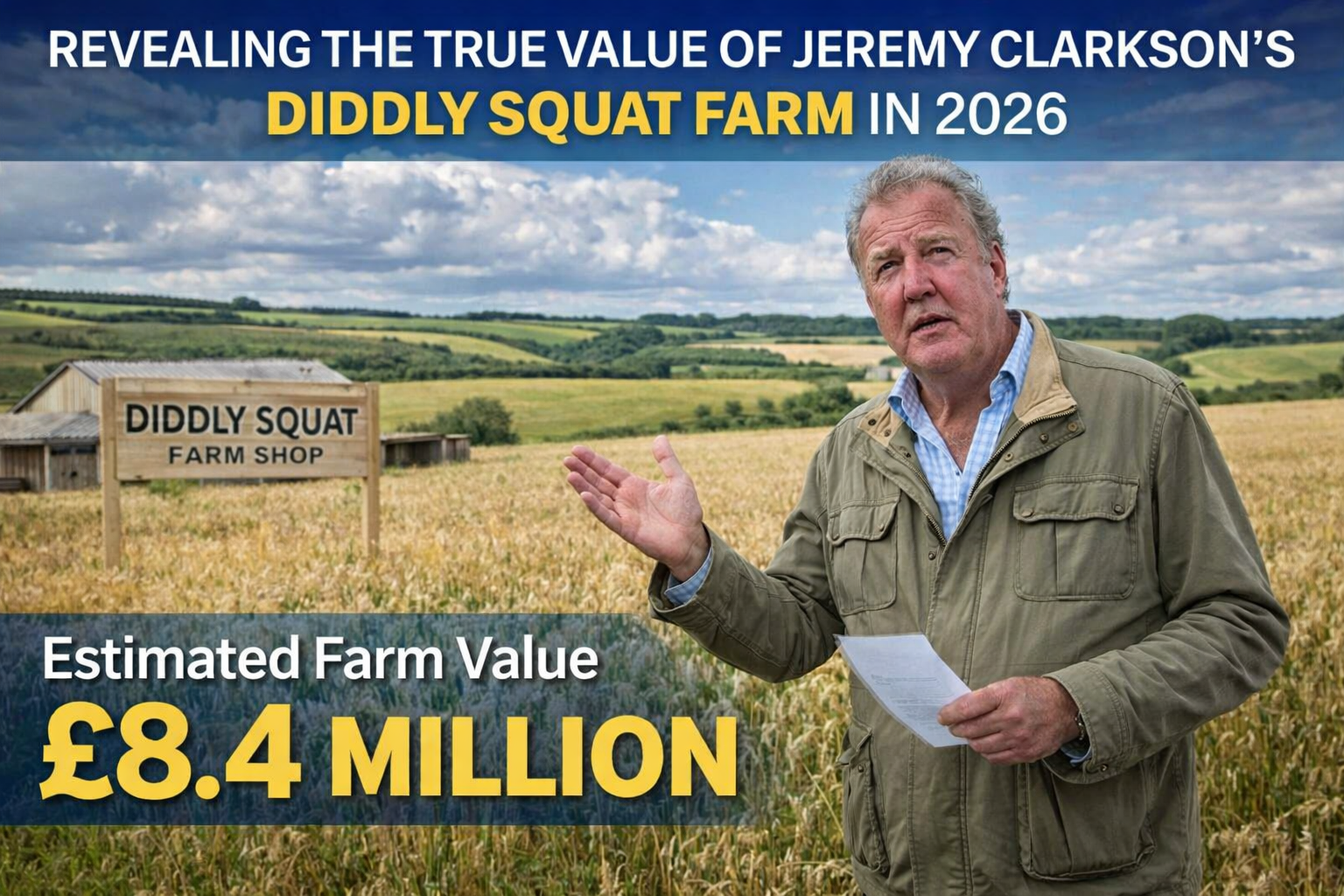
Jeremy Clarkson’s Diddly Squat Farm has captured international attention not only as the setting for the hit Amazon Prime series Clarkson’s Farm but also as a real-world example of modern farming in the Cotswolds. As the 2026 season approaches, analysts and fans alike are assessing the farm’s true value, considering both its financial worth and its cultural, operational, and media significance. Beyond the quirky antics that have made Clarkson a television sensation, Diddly Squat represents a complex agricultural enterprise with multiple revenue streams, assets, and growth potential, all of which are influencing perceptions of its overall value in the current year.
Financially, the farm’s worth is multifaceted. Clarkson purchased the property years ago, and it has since undergone significant development, including the acquisition of livestock, machinery, and infrastructure upgrades. The introduction of high-value animals—ranging from specialized cattle breeds to pigs like the famous Richard Ham—has increased both the farm’s operational capacity and its market potential. Analysts estimate that the combination of livestock, crops, and equipment contributes a base operational value in the millions of pounds, but the farm’s true financial leverage comes from its media exposure and ancillary revenue streams.
The success of Clarkson’s Farm has created a unique symbiosis between entertainment and agriculture. Prime Video’s global distribution has not only increased Clarkson’s personal brand but has also elevated the perceived value of Diddly Squat. Merchandise, live tours, and digital content related to the farm generate additional income while promoting the farm’s brand internationally. Analysts emphasize that this dual identity—as both a working farm and a media property—positions Diddly Squat differently than a conventional agricultural holding. In essence, the farm’s media value may rival or even exceed the intrinsic agricultural value derived from livestock and land alone.
Operationally, the farm demonstrates significant diversification and efficiency. Clarkson’s introduction of modern equipment, such as tractors, specialized feeding systems, and precision farming techniques, has optimized production despite the limited acreage and challenging topography of the Cotswolds. Seasonal planning, crop rotation, and herd management strategies reflect a professional approach to maximizing output while minimizing losses. Observers note that the integration of these systems increases not only financial performance but also long-term sustainability, enhancing the farm’s valuation in 2026.
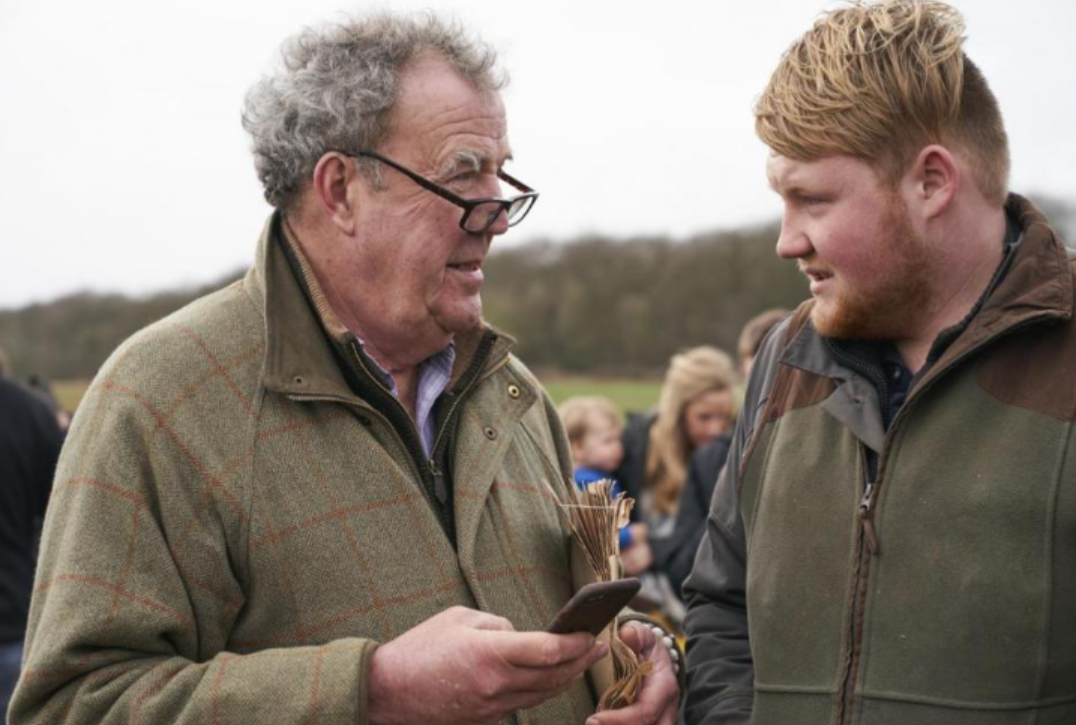
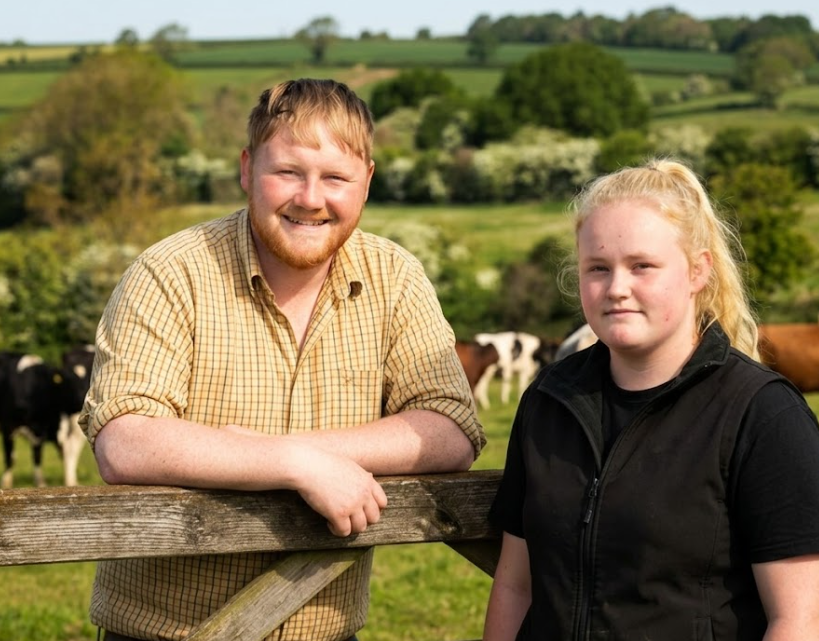
Another dimension influencing the farm’s value is its human capital. Key personnel, including Kaleb Cooper, Lisa Hogan, Charlie Ireland, and Harriet Cowan, provide operational expertise, branding influence, and media readiness. The presence of a skilled team enables Clarkson to manage both farming and filming simultaneously, ensuring that production timelines and agricultural responsibilities are maintained. Analysts suggest that the team’s capability to balance these dual roles is critical in maintaining the farm’s productivity and profitability while supporting the television series’ success.
Cultural and educational impact is another intangible aspect of Diddly Squat’s worth. The farm serves as a case study in modern farming techniques, animal welfare, and agricultural economics. Episodes highlighting operational decisions, crop management, and livestock care have contributed to a broader public understanding of contemporary agriculture. Analysts argue that this educational component adds social value to the farm, enhancing its reputation and potentially increasing its influence over policy discussions, educational programs, and industry partnerships.
In 2026, additional factors are likely to affect the farm’s perceived and actual value. The ongoing expansion of media content, including the potential for digital experiences, interactive platforms, and merchandise, may generate further revenue while increasing audience engagement. Seasonal fluctuations in agricultural output, commodity prices, and regulatory conditions will continue to influence financial performance. Analysts predict that careful management of these variables, combined with Clarkson’s media presence, will maintain or increase the farm’s overall valuation.
Looking forward, several scenarios could shape Diddly Squat’s value trajectory. First, operational optimization—such as the introduction of precision irrigation, automated feeding, or expanded herd genetics—could increase production efficiency and profitability. Second, strategic media integration, including additional streaming content, merchandising, or sponsorship partnerships, could further monetize the farm’s brand. Third, diversification into agritourism or direct-to-consumer sales, such as farm shops or specialty products, would enhance revenue resilience while strengthening the farm’s cultural footprint.
From a broader perspective, Diddly Squat exemplifies the convergence of agriculture, entertainment, and branding. Its unique position as both a functional farm and a media property creates valuation complexity but also offers opportunities unmatched by conventional holdings. Analysts emphasize that the farm’s worth cannot be measured solely in pounds of produce or livestock value—it must also account for intellectual property, media exposure, and public engagement. In 2026, Diddly Squat is arguably as much a content platform as it is an agricultural enterprise.
In conclusion, Jeremy Clarkson’s Diddly Squat Farm represents a multifaceted asset in 2026, combining tangible agricultural value with significant media, cultural, and operational influence. Its livestock, infrastructure, and diversified operations provide a solid financial base, while the global audience and ancillary revenue streams elevate its worth beyond conventional farmland. Analysts predict that careful management of both agricultural and media components, along with strategic expansion into complementary ventures, will continue to enhance the farm’s value in the coming years. For viewers and industry observers, Diddly Squat serves as a unique model of how modern farming and entertainment can intersect, creating a property that is financially robust, operationally innovative, and culturally resonant on a global scale.