Parker Schnabel just had the most successful gold mining season in history – $120 million earned in just one week!
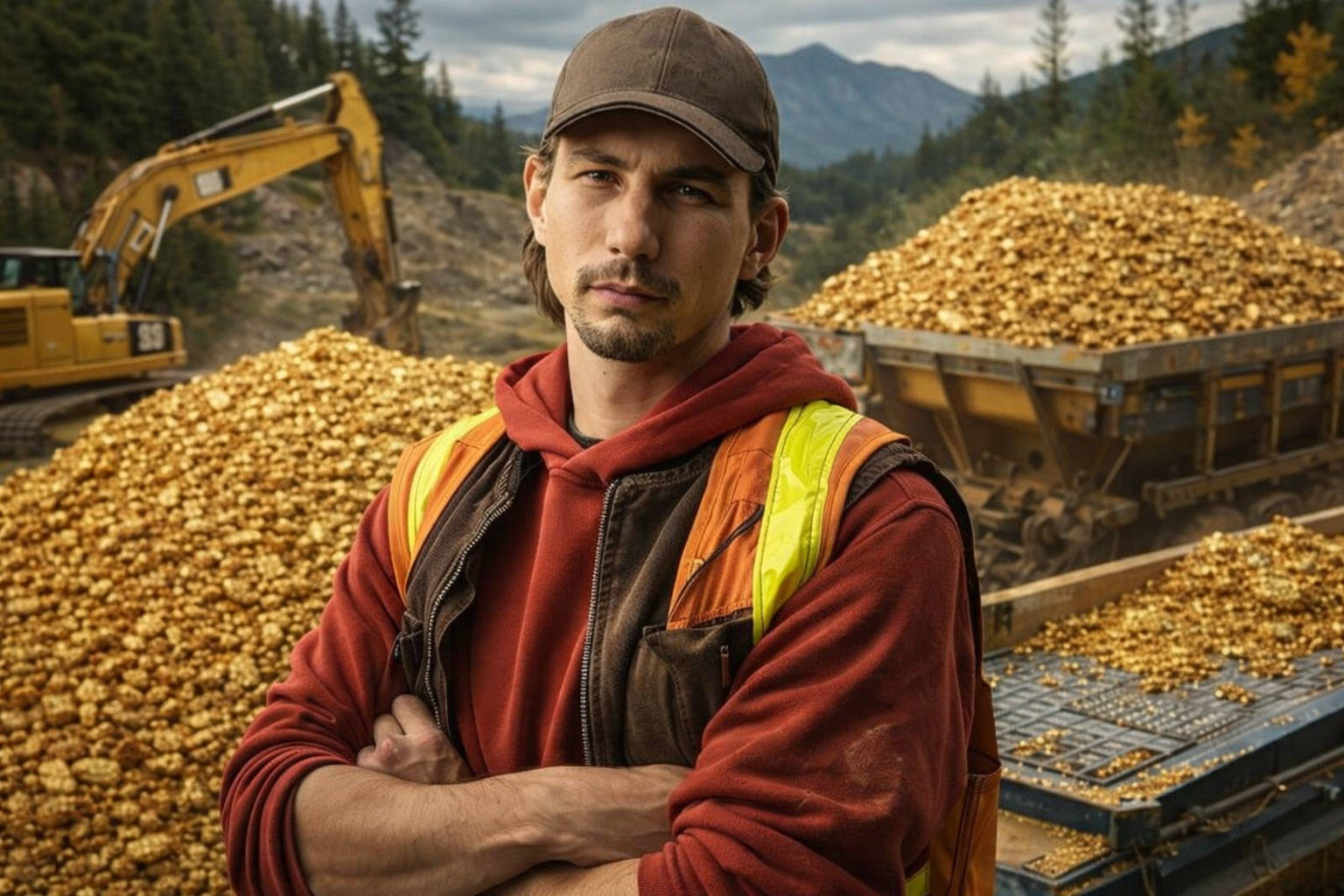
In a historic season that has stunned the mining world, Parker Schnabel, the 30-year-old mining prodigy, has completed the most productive single season in Gold Rush history. Extracting a staggering 8,100 ounces of gold, worth over $120 million when factoring future potential and assets, Schnabel’s achievements have set a new benchmark for modern gold mining. The feat has silenced critics, inspired peers, and showcased what is possible with vision, investment, and relentless determination.
From the outset, it was clear that Schnabel’s approach to this season was unlike any other. Investing millions in cutting-edge equipment, including a custom-built wash plant capable of processing 600 cubic yards of dirt per hour, Schnabel tripled the throughput of typical operations. Coordinating a fleet of excavators, trucks, and processing machinery, his crew worked in meticulously choreographed shifts. The operation ran around the clock throughout the summer, defying mechanical and environmental challenges that would have forced other miners to halt production.
Early results foreshadowed a historic season. The first cleanup produced 350 ounces, a haul most mines would consider an entire month’s yield. As the weeks progressed, output steadily increased, reaching 480 ounces, and soon Schnabel realized the season projections needed revision. Yet, such success brought significant operational strain. Equipment was pushed to its limits, prompting immediate reinforcements: backup pumps, spare conveyor systems, and redundant generators ensured that no mechanical failure would halt the flow of gold. Schnabel’s proactive approach prevented downtime and kept the operation running seamlessly, even when components failed during peak processing periods.
Leadership, however, was equally critical to the season’s triumph. Managing a crew exceeding 50 people working long hours in harsh conditions required a delicate balance of authority, empathy, and resolve. Schnabel’s hands-on presence, often being the first on site and the last to leave, earned the respect of his team. He personally addressed conflicts, exhaustion, and morale, reminding his crew of the historic significance of their mission. The result was unwavering commitment, with crew members motivated not just by financial bonuses but by being part of a record-breaking enterprise.
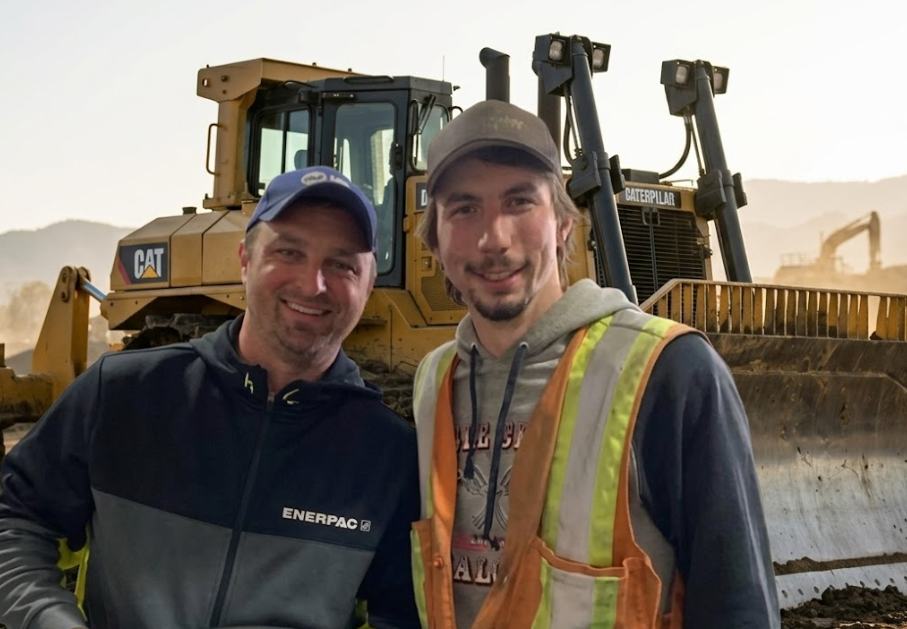
As summer progressed, the operation hit unprecedented figures. Daily gold recovery routinely exceeded 100 ounces, while the wash plant processed over 10,000 cubic yards of material per day. Competitors, including seasoned miners like Rick Ness, visited Schnabel’s site in awe, describing the scale and efficiency as “insane” and “beyond comprehension.” Tony Beets, a veteran critic, made a rare public compliment, acknowledging the young miner’s extraordinary achievement but cautioning that sustaining the pace through the entire season would be the ultimate test.
Midway through the season, the operation discovered a remarkable pocket of rich ground: ancient river bedrock studded with nuggets. Schnabel redirected all resources to this “mother lode,” and daily recoveries soared to 250 ounces. To safeguard the gold, armored transport and bank-style security measures were implemented, underscoring the high stakes involved. Rival miners attempted to capitalize on Schnabel’s success, filing claim disputes and circling the site, but stringent security measures ensured uninterrupted extraction.
September brought the final push. With the first frost approaching and a cold front threatening to end operations, Schnabel made calculated decisions to prioritize the richest deposits. Crews worked in shifts around the clock, equipment operated at its maximum capacity, and even minor failures became critical. Despite the challenges, Schnabel’s foresight and investment in redundancy kept the operation moving. By the conclusion of the season, cumulative totals had exceeded 7,000 ounces, with the final tally reaching 8,100 ounces. The gross value exceeded $16 million, with a net profit of $12 million after accounting for operational costs, labor, and land leases.
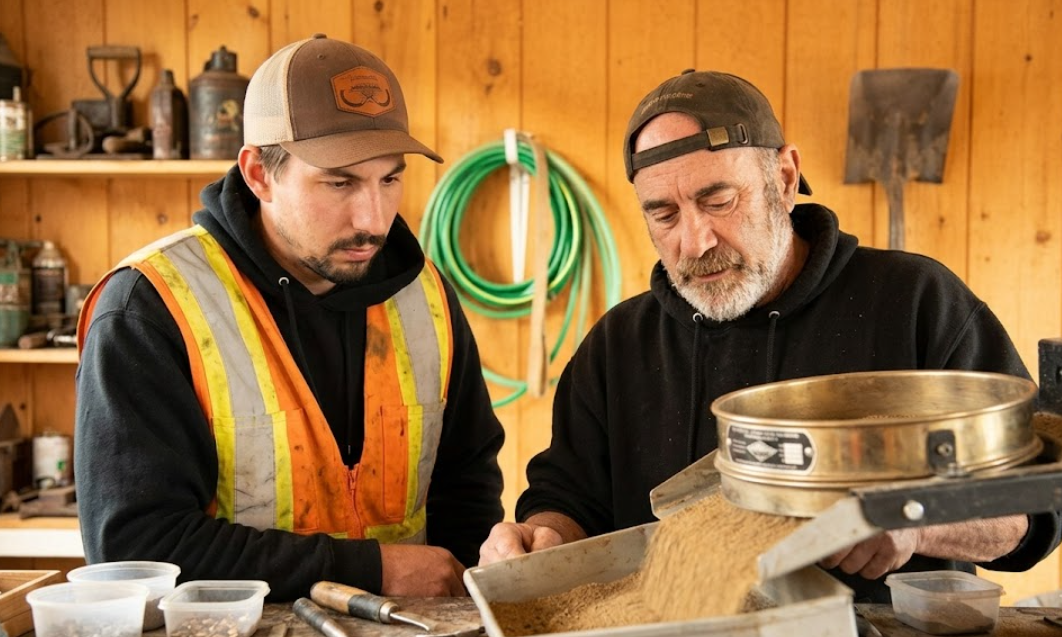
Beyond the numbers, Schnabel’s achievement carries broader implications for the mining industry. His methods—scaling operations, integrating redundancy, and leveraging cutting-edge technology—are already being studied and replicated. Traditional operations, content with modest returns, are reassessing their strategies in light of what Schnabel accomplished. The Klondike Gold Rush of the 1890s may have created legendary figures, but Schnabel’s 2024 season has cemented a new standard for modern mining.
For Schnabel, the season’s success is as much about legacy as profit. Standing at the processing site as snow began to fall, he reflected on his grandfather’s advice: that gold rewards those willing to work for it. From taking over his grandfather’s mine at just 16 to orchestrating the most productive season in history, Schnabel’s journey underscores vision, perseverance, and leadership. His crew will remember the intense season for years, and the mining community will spend decades attempting to match it.
In a world where many believed experience and caution were the keys to mining success, Parker Schnabel has proven otherwise. Aggressive strategy, meticulous planning, and unwavering commitment have produced a season that will be remembered not just for its gold, but for redefining what is possible. As Schnabel plans for next year, the bar has been irrevocably raised, and the Klondike will never be the same