Internal conflict erupts on Oak Island: A dispute erupts between the Rick Lagina brothers over the division of prize money.
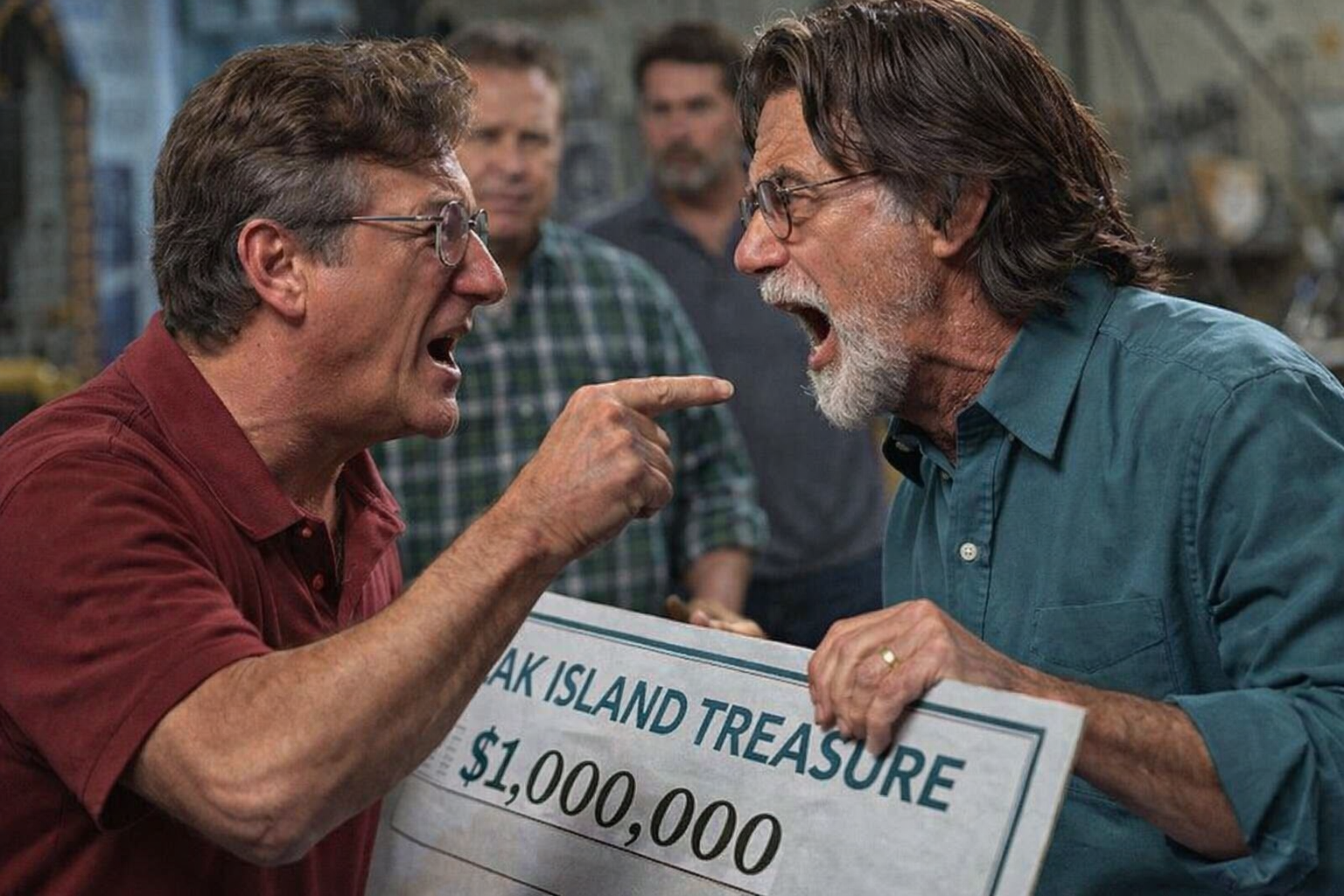
Oak Island has long been a stage for historical intrigue, elaborate engineering, and the relentless pursuit of hidden treasure. Yet, behind the cameras, another layer of drama appears to be unfolding: an internal dispute between the Lagina brothers over the division of potential prize money. According to sources close to the Curse of Oak Island production, Rick and Marty Lagina have reached an impasse regarding how any newfound treasure or discovered artifacts should be allocated, raising questions about the stability of the team and the broader implications for future excavations.
The tension reportedly arose after recent discoveries in Lot 8 and other key excavation sites, where evidence suggested substantial treasure could be within reach. While the specifics of the disagreement remain confidential, insiders suggest that Rick and Marty diverged on priorities: Rick advocating for a more conservative, team-focused approach to distributing potential proceeds, while Marty is said to favor a structure that reflects individual contributions and risk exposure. Analysts familiar with the series note that such disputes are not unusual in high-stakes treasure hunting, where personal investment, historical research, and physical labor intersect with substantial financial opportunity.
From a program analysis perspective, the conflict highlights several critical aspects of Oak Island operations. First, the series has always balanced the allure of treasure discovery with the complexities of group dynamics, often showcasing negotiations, disagreements, and collaborative problem-solving. A visible conflict between the Lagina brothers represents an escalation, signaling that the stakes—both emotional and financial—have reached a new peak. Viewers can expect upcoming episodes to document the tension subtly, perhaps through strategic camera placement, private conversations, or carefully framed interviews, maintaining engagement while preserving the real-world sensitivity of familial relationships.
The implications for operational strategy are equally significant. Oak Island excavations involve multiple layers of engineering, including the stabilization of shafts, deployment of heavy machinery, and underwater exploration. Disagreements over prize division could influence decision-making, particularly regarding resource allocation. For example, if the brothers are at odds, it may affect priorities in site selection, staffing, or timing of critical dig operations. Analysts predict that episodes could begin to focus on these strategic choices, highlighting how personal dynamics can shape the pace and effectiveness of high-risk exploration efforts.
Financially, the dispute underscores the magnitude of potential rewards. Prior seasons have teased the discovery of Templar-linked treasure, gold hoards, and historical artifacts, with speculative values in the tens to hundreds of millions. The prospect of such wealth naturally amplifies existing pressures and raises questions of entitlement and risk-sharing. From a show perspective, this introduces narrative tension: audiences are drawn not only to the discovery of treasure but to the human stories that unfold around it. Viewers may witness negotiations over hypothetical treasure allocation, discussions about legal frameworks, and the emotional challenges of balancing ambition with family loyalty.
Analysts also anticipate ripple effects within the Oak Island team. Key figures such as Craig Tester, Gary Drayton, and Emma Culligan could be drawn into the dispute, whether as mediators, advisors, or stakeholders with their own claims to consideration. Crew morale may be tested, particularly if tensions influence day-to-day operations or create perception of favoritism. This could translate into moments of on-screen drama, such as disagreements over excavation priorities, equipment deployment, or interpretation of historical evidence, all while maintaining the show’s educational and adventurous tone.
Looking ahead, the dispute may also prompt the Lagina brothers to implement formalized agreements or structured frameworks for treasure division. Analysts predict potential legal consultation or contractual arrangements to prevent escalation, ensuring that operations continue efficiently while maintaining familial and team harmony. If handled transparently, this could serve as a compelling storyline: the balance between protecting financial interests and preserving trust in a high-stakes, high-pressure environment.
The historical context of Oak Island further intensifies the significance of the conflict. Discoveries associated with Templar Knights, buried hoards, and centuries-old engineering feats carry not only monetary but cultural and academic value. Decisions about how to divide proceeds are complicated by the need to preserve artifacts, maintain archaeological integrity, and consider potential public or institutional contributions. Analysts expect that episodes will explore these ethical and practical considerations, reinforcing the show’s commitment to responsible exploration while framing the conflict in a broader historical context.
From a predictive standpoint, several scenarios may unfold. First, the dispute could be resolved through compromise, preserving both the familial bond and operational momentum. Second, prolonged tension may influence excavation priorities, potentially delaying exploration of certain high-value sites. Third, the narrative may evolve to incorporate mediation by other team members or external advisors, providing an educational dimension about conflict resolution in treasure-hunting ventures. In all cases, the tension promises to deepen the series’ storytelling, combining personal drama with technical exploration and historical discovery.
In conclusion, the reported internal conflict between Rick and Marty Lagina over prize division adds a new layer of complexity to The Curse of Oak Island. Beyond the treasure itself, the dispute highlights the intricate interplay between personal relationships, operational decision-making, and the high stakes inherent in centuries-old mysteries. For viewers, this offers a multi-dimensional narrative: the anticipation of monumental discoveries, the strategic challenges of excavation, and the emotional dynamics of a family navigating ambition, trust, and legacy. As the season progresses, audiences can expect to see how this conflict shapes both the hunt for treasure and the evolving story of Oak Island itself.