“Keir Starmer is banned from my pub”: Jeremy Clarkson gives the worst reason ever for banning Keir Starmer from his pub!
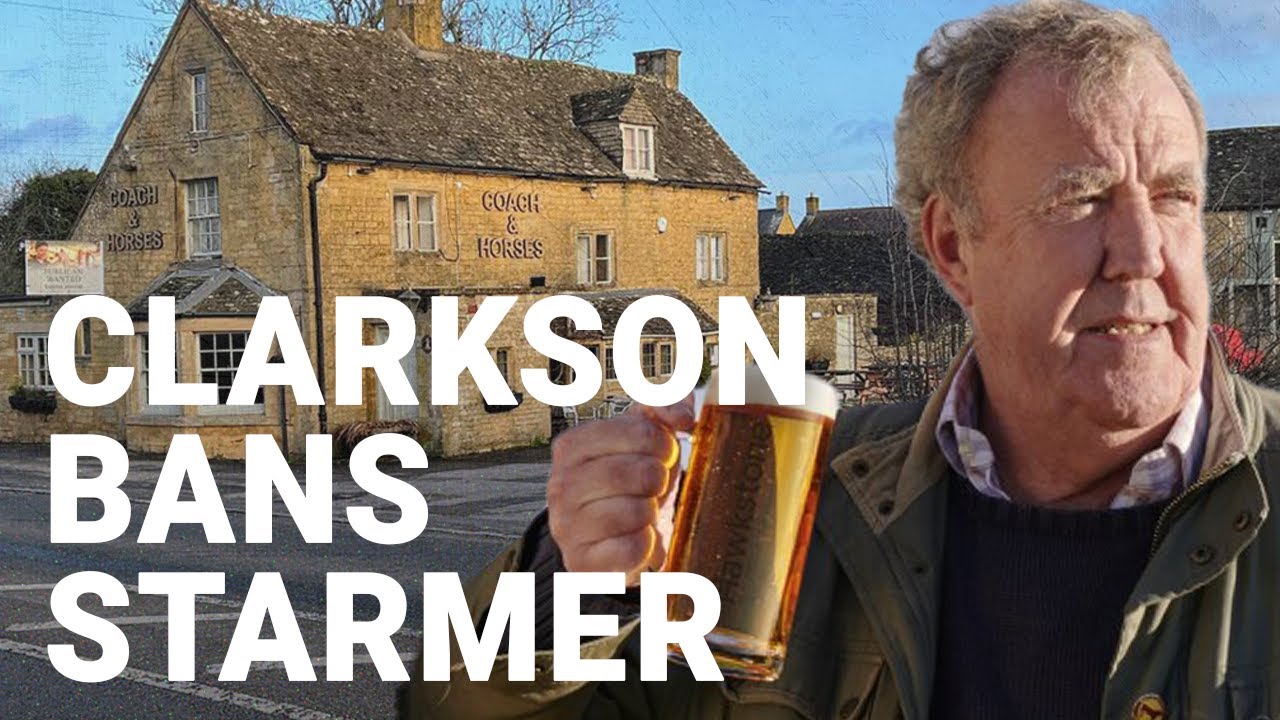
Jeremy Clarkson, the former Top Gear host and current star of Clarkson’s Farm, recently stirred controversy with a declaration that UK Labour leader Keir Starmer is banned from his newly opened Farmers’ Dog Pub near Diddly Squat Farm in Oxfordshire. The statement, delivered in Clarkson’s characteristically candid style, has ignited debates across social media and in political circles, leaving observers questioning both the motive and the potential repercussions of such a move.
At first glance, Clarkson’s ban appears to be another playful jab from a media personality known for provocative remarks. His public persona blends satire, humor, and unfiltered commentary, often blurring the line between jest and serious opinion. Yet, this statement also reflects deeper tensions within the British rural and farming community, where Clarkson has positioned himself as a champion for traditional agriculture and local businesses. By explicitly excluding Starmer, Clarkson is making a symbolic statement about perceived government engagement—or lack thereof—with rural constituencies.
From an analytical perspective, Clarkson’s move can be interpreted on several levels. Politically, it serves as a critique of Starmer and the Labour Party, suggesting that their policies or actions have failed to earn the trust of rural farmers. Clarkson has long voiced opinions on agricultural policy, food sourcing, and local governance, often highlighting discrepancies between urban political priorities and the realities of country life. The pub ban functions as a metaphorical stand-in for broader dissatisfaction among rural populations who feel overlooked in policy discussions on farming subsidies, mental health support, and infrastructure development.
Moreover, Clarkson’s statement amplifies his personal brand as a maverick in both entertainment and rural advocacy. By blending media attention with a tangible venue—the Farmers’ Dog Pub—he transforms political commentary into a form of performative engagement that captures public imagination. This approach resonates with audiences who appreciate Clarkson’s irreverent style, but it also risks polarizing readers, especially in an already charged political climate. The announcement ensures coverage not only in traditional news outlets but also across social media platforms, generating discussion that extends far beyond the pub’s physical location.
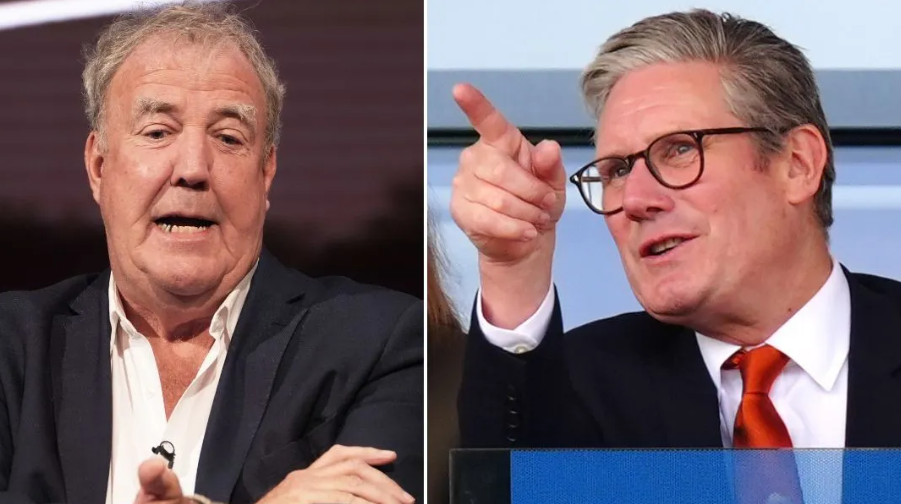
Potential developments stemming from this declaration are varied. Firstly, the Labour Party may choose to respond, either formally through a statement or informally via social media channels. A measured response might attempt to downplay the controversy while reiterating commitment to rural policy, whereas a defensive reaction could inadvertently amplify Clarkson’s media presence. Public perception will likely hinge on how the party frames its engagement with farming communities in light of Clarkson’s critique.
Secondly, the ban could impact the pub’s local standing and patronage. For some, the exclusion of a prominent political figure may enhance the pub’s appeal as a space aligned with Clarkson’s ethos of supporting local farmers and British produce. Conversely, others may perceive the act as unnecessarily partisan, potentially discouraging politically diverse clientele. Analysts of the show Clarkson’s Farm note that the pub is already more than just a drinking establishment; it functions as a community hub for farmers, featuring cooperative sourcing, traditional games, and mental health support. Therefore, Clarkson’s decision can be seen as part of his broader narrative strategy, positioning the pub as a space that reflects the values he promotes on-screen.
Another angle to consider is the media and public relations effect. Clarkson’s statement is a calculated risk: it draws attention, generates headlines, and reinforces his persona as outspoken and unorthodox. Historically, such controversies have often benefited him by keeping Clarkson’s Farm in the public eye, while simultaneously allowing him to influence the conversation on rural affairs. As analysts have noted, Clarkson thrives at the intersection of entertainment and advocacy, leveraging humor and hyperbole to spotlight serious issues such as farming sustainability, mental health among agricultural workers, and the economics of local food production.
Looking ahead, one could speculate on potential narrative arcs for both Clarkson’s media ventures and public engagement. The ban may serve as a springboard for further discussions about the relationship between politics and rural Britain, particularly around contentious topics such as food policy, subsidies, and local infrastructure. Clarkson may also continue to use the pub as a venue to host debates, events, or media features that reinforce his advocacy for farmers, all while maintaining his signature irreverent tone. In this sense, the statement is not merely a provocative quip; it is part of an ongoing strategy to intertwine personal brand, entertainment, and sociopolitical commentary.
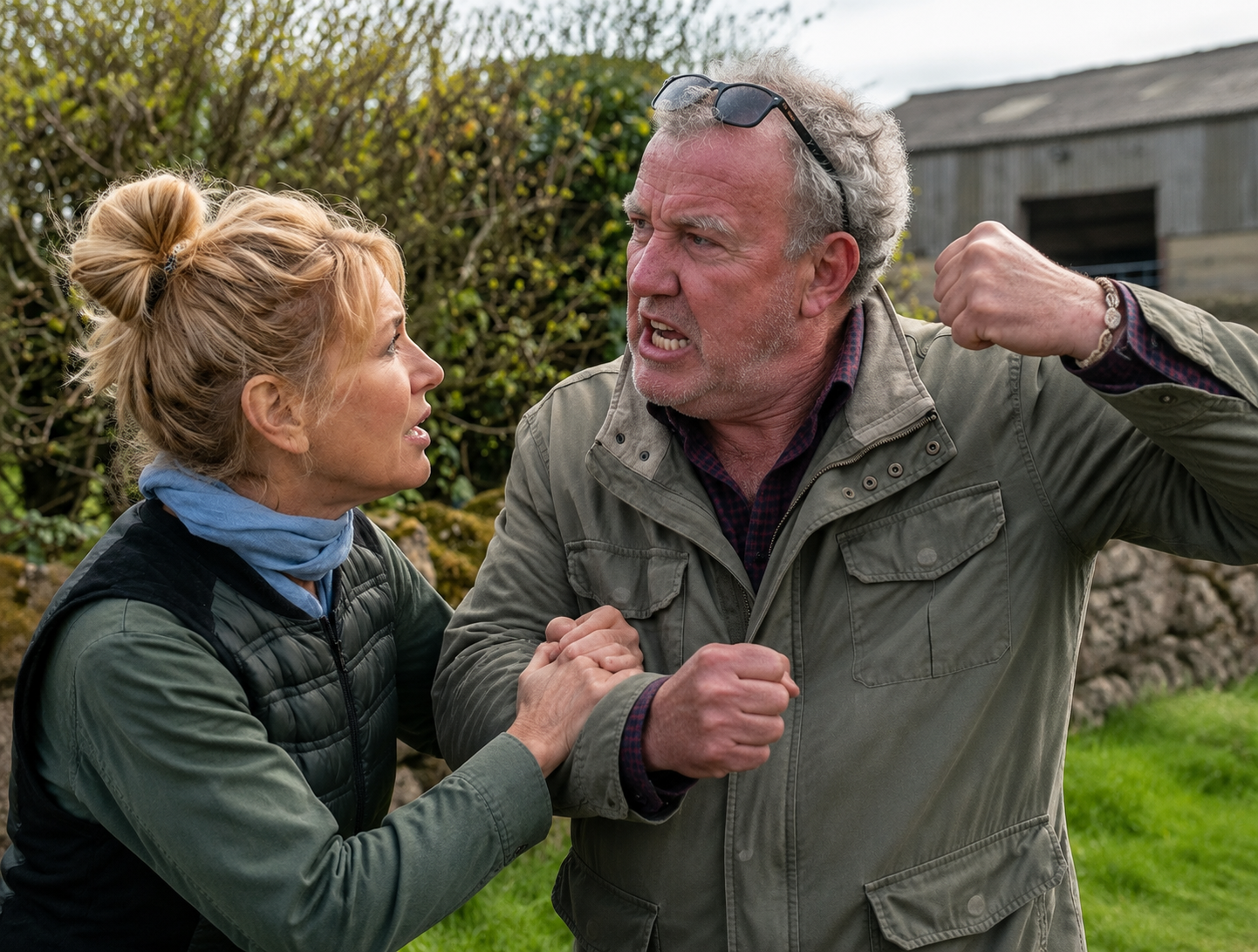
It is also worth noting the symbolic power of Clarkson’s words. While Starmer is unlikely to physically attempt to enter the pub, the ban resonates with audiences as a public performance of political and social alignment. It underscores the divide between urban and rural perspectives, and it casts Clarkson as a gatekeeper of a space where farming values are celebrated. Analysts suggest that this form of performative ban has broader implications for how media personalities influence public discourse, blurring the line between entertainment, commentary, and political engagement.
In conclusion, Jeremy Clarkson’s announcement that Keir Starmer is banned from the Farmers’ Dog Pub is a multifaceted statement that merges humor, political commentary, and brand positioning. For viewers and fans of Clarkson’s Farm, it offers another layer to the narrative of rural advocacy and community building, while simultaneously prompting discussion across media platforms about politics, policy, and public perception. The long-term effects remain to be seen, but it is clear that Clarkson has once again leveraged his public profile to ignite conversation, spotlight rural issues, and maintain the cultural relevance of his farm-focused media projects. Whether interpreted as satire, protest, or a publicity strategy, the ban is emblematic of Clarkson’s distinctive approach: direct, unapologetic, and always entertaining.