The latest discovery reveals Oak Island’s past: Marty Lagina found prehistoric human fossils dating back 8,000 years.
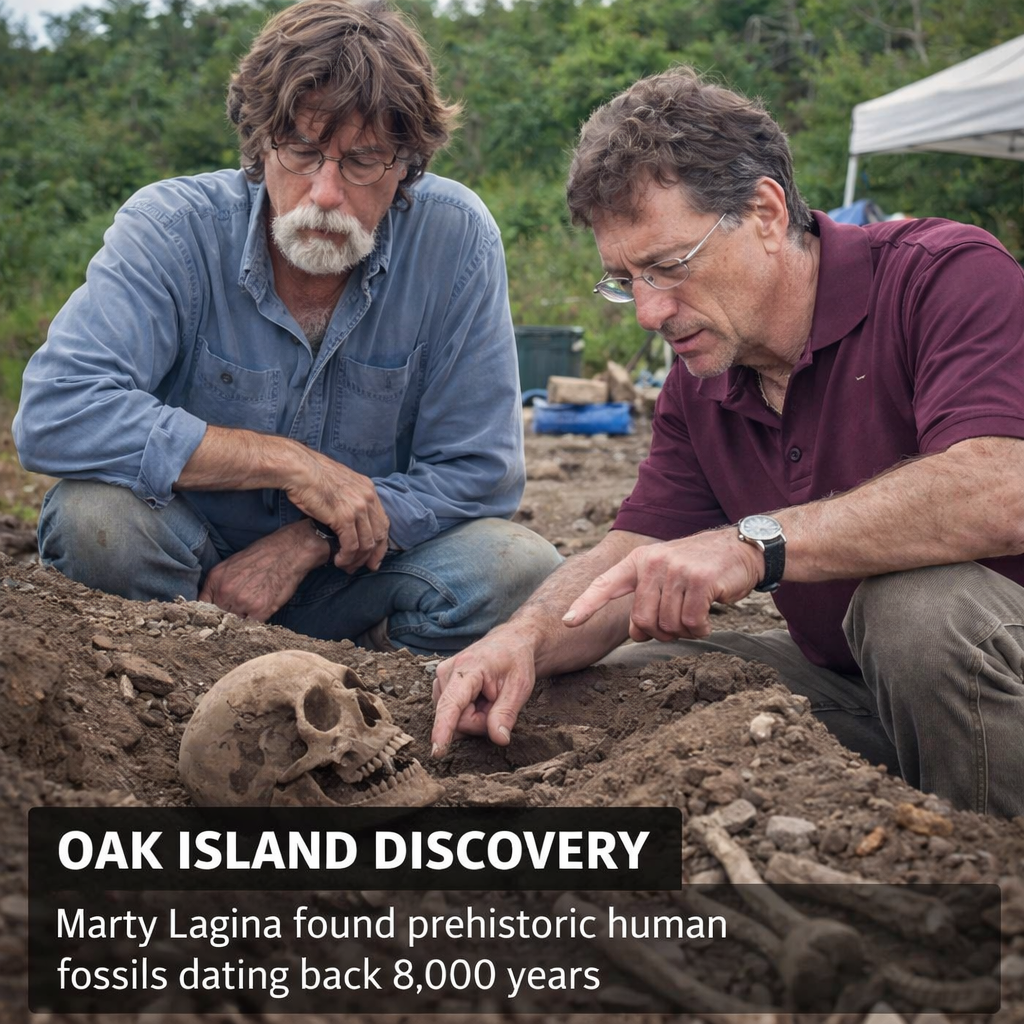
In what could be one of the most significant discoveries in the history of The Curse of Oak Island, Marty Lagina and his team have uncovered prehistoric human fossils dating back an estimated 8,000 years. This remarkable find shifts the focus of the series from the centuries-old treasure hunt to the deeper, more mysterious history of Oak Island itself. For analysts, historians, and fans alike, this revelation provides a new lens through which to examine the island, raising profound questions about its ancient inhabitants, their purpose, and the possible continuity of human activity that stretches back millennia.
From an analytical standpoint, the discovery of human fossils fundamentally reframes Oak Island as more than a repository for buried treasure or pirate loot. The presence of prehistoric human remains suggests that the island was inhabited—or at least regularly visited—long before European settlers arrived in North America. This could indicate that Oak Island played a role in early maritime or coastal cultures, potentially serving as a seasonal encampment, a ceremonial site, or even a strategic lookout point. Such a scenario aligns with prior findings of ancient artifacts, coins, and structural anomalies that hinted at earlier, undocumented human activity.
The implications for the Lagina team’s ongoing work are profound. Archaeological analysis will now become a critical component of the investigation, alongside traditional excavation for treasure. Proper dating techniques, including carbon dating and stratigraphic analysis, will be essential to confirm the age of the fossils and understand the context of their deposition. From a strategic perspective, Marty and Alex Lagina will likely have to balance the dual goals of exploring historical treasures and preserving the integrity of these invaluable archaeological findings. Decisions about where to dig next may now be informed as much by paleoanthropological insight as by historical lore or treasure maps.
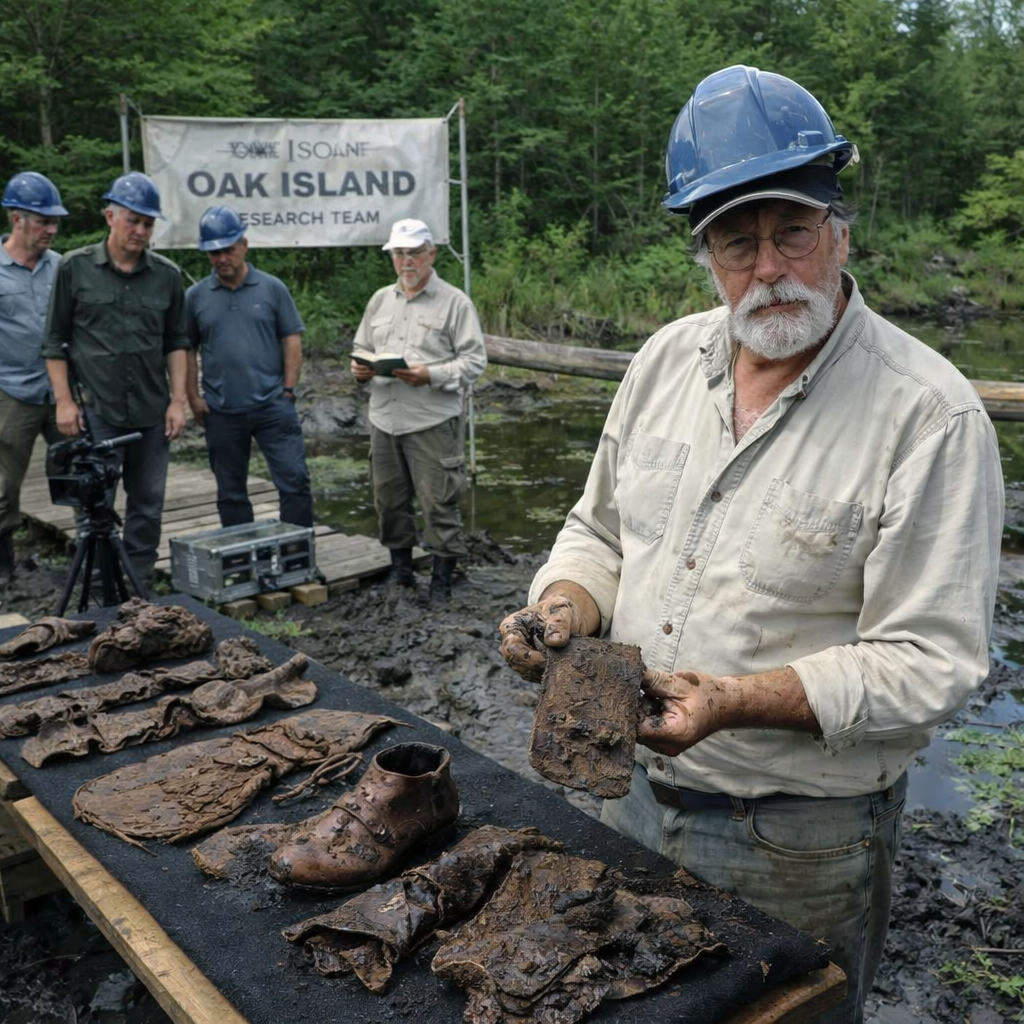
This discovery also invites speculation about what it reveals about Oak Island’s broader historical significance. If humans were present 8,000 years ago, it is conceivable that subsequent generations, spanning indigenous peoples, early European explorers, and later settlers, may have left layered evidence across the island. Each stratum could potentially contain cultural artifacts, tools, or structures that illuminate different eras. Analysts predict that further excavation may reveal patterns of settlement, resource use, and ritual activity previously unconsidered by the team. The narrative of Oak Island, historically centered on treasure and mystery, may now expand to include anthropology and early human history.
One of the immediate analytical questions concerns the location and condition of the fossils. Fossils preserved over millennia can provide insight into diet, lifestyle, and even migration patterns of prehistoric populations. If the Lagina team can identify skeletal markers, isotopic composition, or other forensic evidence, the fossils may offer unprecedented information about who lived on or visited Oak Island, how they survived, and why they chose this particular location. From an investigative perspective, this could shift the series from a focus solely on treasure hunting to a multidisciplinary approach that combines archaeology, anthropology, and history.
The timing of this discovery also raises potential challenges for the team. Excavation near fragile fossils requires careful methodology, specialized tools, and possibly expert oversight. Unlike gold or coins, prehistoric human remains demand preservation over extraction. This could slow the pace of traditional treasure-hunting operations, prompting strategic choices: prioritize historical preservation, or continue with conventional excavation while mitigating risk to the fossils. Analysts predict that the show may increasingly feature collaboration with professional archaeologists, highlighting the scientific rigor of this new phase in the investigation.
From a predictive standpoint, this discovery could influence the trajectory of future Oak Island seasons. Storylines may evolve to explore human habitation patterns, cultural artifacts, and the intersection between early settlers and natural geography. Furthermore, the find could draw increased attention from academic institutions and museums, potentially leading to partnerships or additional funding for fieldwork. The combination of treasure-hunting drama with authentic historical discovery may broaden the audience and deepen the educational value of the series.
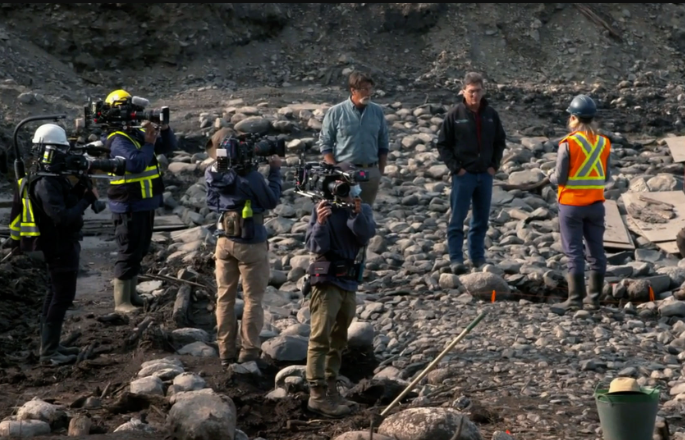
This find also adds a new layer of narrative tension. For decades, viewers have followed the Lagina team in pursuit of pirate treasure and legendary artifacts, with the possibility of a monetary reward as the motivating factor. The introduction of 8,000-year-old human fossils reframes success in broader terms: historical significance, contribution to science, and the preservation of human heritage. Analysts suggest this may alter the team’s priorities, balancing the allure of treasure with the responsibilities of uncovering and safeguarding an ancient human legacy.
Finally, the discovery may have implications beyond Oak Island itself. If prehistoric humans visited or inhabited the island, it invites reevaluation of coastal migration routes in North America, connections to mainland settlements, and the maritime capabilities of early populations. This could prompt historians and archaeologists to investigate surrounding islands, shorelines, and mainland sites for similar evidence, potentially rewriting portions of the region’s prehistoric narrative. For fans of The Curse of Oak Island, this expansion of scope adds intellectual depth and a sense of global historical significance to a series traditionally framed around localized treasure quests.
In conclusion, Marty Lagina’s discovery of prehistoric human fossils dating back 8,000 years represents a transformative moment for The Curse of Oak Island. It broadens the narrative from treasure hunting to a complex investigation into the island’s ancient past, while introducing new challenges in preservation, strategy, and interdisciplinary collaboration. Analysts predict that this revelation will influence excavation priorities, guide future research, and deepen audience engagement with the series. The season now promises not only suspense and adventure but also a compelling exploration of human history, ensuring that Oak Island remains a site of mystery, discovery, and scholarly fascination for generations to come.