BACK IN THE MUD: Diddly Squat Commences Season 5 Production Amid Council Standoff and Experimental Crop Offensive
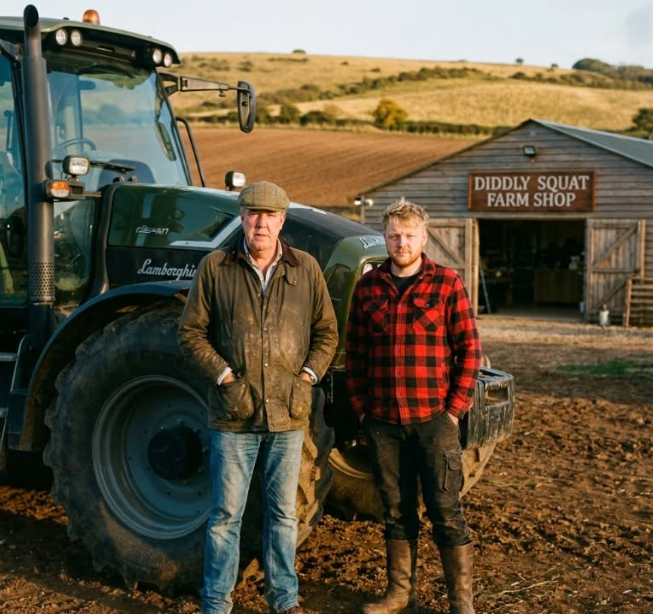
The roar of industrial diesel engines has once again shattered the quiet of the Cotswolds as production officially commences on the highly anticipated fifth season of the global smash-hit docuseries, Clarkson’s Farm. Amazon Prime Video crews have mobilized across the 1,000-acre Diddly Squat estate, capturing veteran motoring journalist Jeremy Clarkson and his fiercely pragmatic agricultural manager, Kaleb Cooper, as they embark on an ambitious, high-stakes farming cycle designed to test the absolute limits of modern agriculture.
The newly minted production cycle lands at a critical juncture for the Oxfordshire enterprise. Following a series of turbulent financial years, the central narrative of the upcoming season will pivot heavily toward radical experimentation in the fields. Faced with volatile weather patterns and skyrocketing commercial fertilizer costs, Clarkson and Cooper are reportedly shifting away from traditional arable staples to gamble on highly unconventional, experimental crop choices. While specific botanical varieties are being tightly guarded by showrunners, insiders hint that the new agricultural strategy represents a make-or-break financial maneuver for the estate.
The Bureaucratic Chokehold
However, the true battleground of Season 5 extends far beyond the soil. The core tension of the new episodes centers on an escalating, highly litigious standoff between the Diddly Squat Farm Shop and strict local council enforcement officers. For years, Clarkson’s commercial ambitions have been relentlessly thwarted by stringent local planning regulations, and the upcoming season promises to pull back the curtain on the administrative hurdles paralyzing rural businesses.

The documentary cameras are documenting the near-constant administrative oversight affecting the daily operations of the popular farm shop. From parking expansions to product sourcing mandates, the West Oxfordshire planning matrix continues to impose severe operational constraints on the celebrity farmer. The series aims to provide a granular, unvarnished look at how rigid regional bureaucracy directly collides with independent commercial innovation, presenting a cautionary tale for modern British farmers trying to diversify their income streams.
Innovation Meets Real-World Constraints
Despite the looming specter of council intervention, the interpersonal dynamic at the heart of the franchise remains flawlessly intact. Cooper, the 27-year-old agricultural prodigy, is once again tasked with the exhausting, full-time responsibility of keeping the hot-headed, 66-year-old Clarkson from destroying both the machinery and the livestock. The narrative continues to rely heavily on their signature blend of rural problem-solving, charting the steep learning curve of a celebrity trying to master intricate, multi-million-pound farming infrastructure.
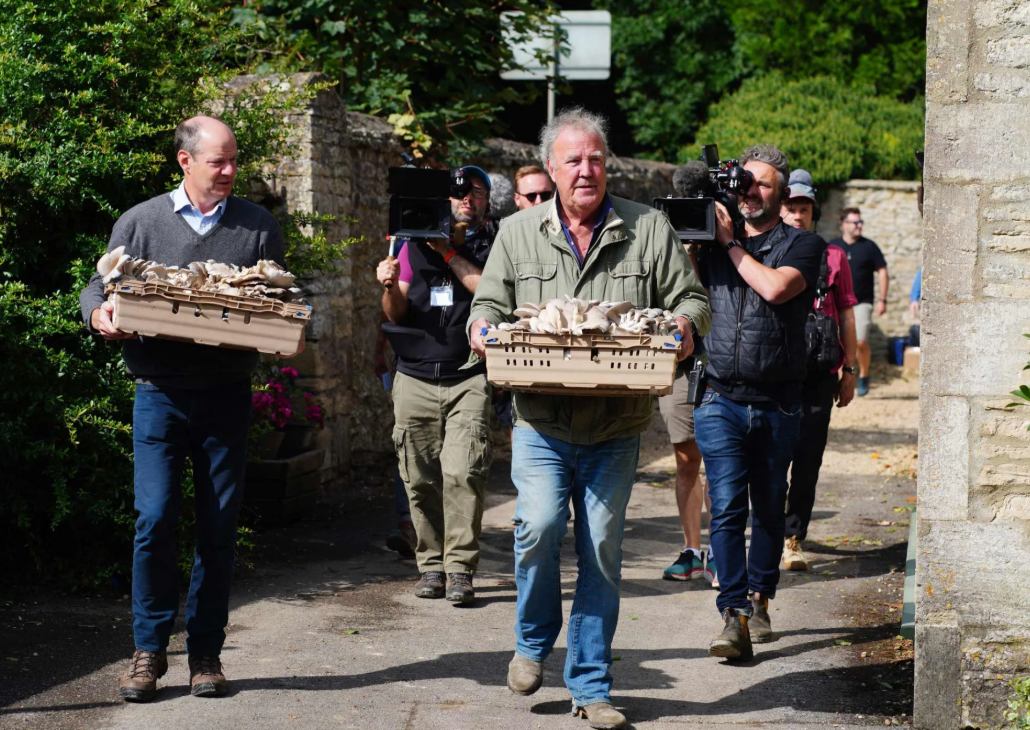
As filming progresses through the changing seasons, global public interest in the Diddly Squat operation shows absolutely no signs of waning. By maintaining a raw, behind-the-scenes spotlight on the grueling realities of the land, Clarkson’s Farm continues to redefine the reality television landscape. Season 5 promises to deliver an authentic, high-stakes evaluation of British agriculture, proving that the cost of putting food on a nation’s plate is ultimately dictated by a relentless war between innovative farming and entrenched bureaucracy.