Jeremy Clarkson Reveals Cancer Diagnosis in Emotional Clarkson’s Farm Episodes, Sparking National Conversation on Early Detection
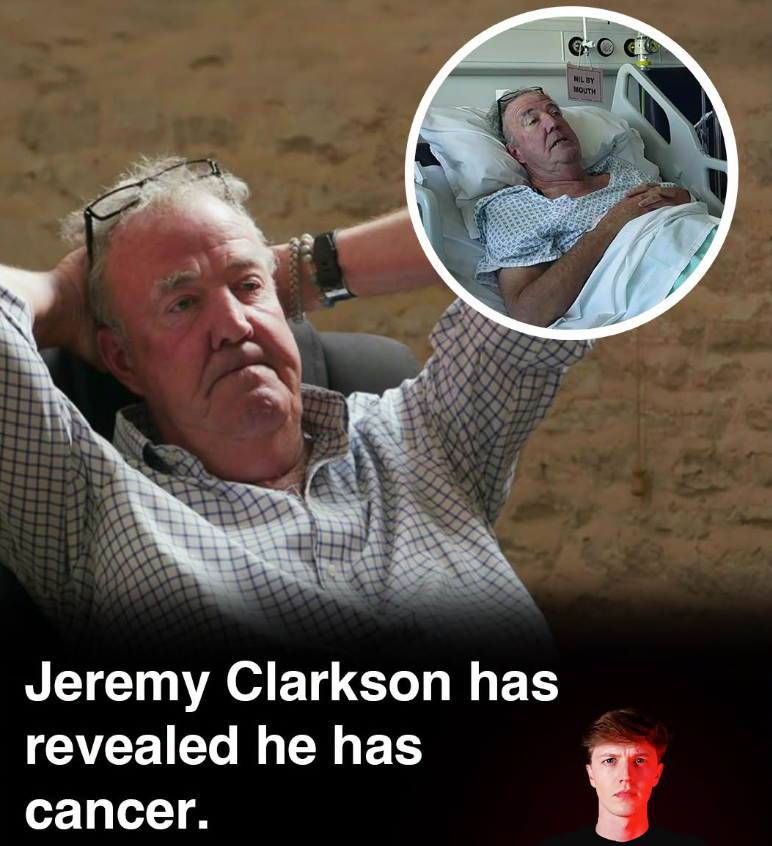
Chipping Norton, Oxfordshire — Television presenter and broadcaster Jeremy Clarkson has revealed he has been diagnosed with cancer, a disclosure made during emotionally charged scenes in the latest episodes of Clarkson’s Farm. The revelation, confirmed in the show and first hinted at through social media warnings, has prompted widespread public reaction and renewed discussion about early diagnosis, treatment outcomes, and the psychological weight of cancer news.
From an analytical media perspective, the broadcast marks one of the most significant tonal shifts in Clarkson’s long-running television career—moving from rural comedy and farming challenges into deeply personal health territory.
A Controlled Reveal with Immediate Emotional Impact
The diagnosis was not presented as breaking news in the traditional sense, but rather unfolded within the narrative structure of the series. Clarkson reportedly learned of the condition in May, following a routine medical examination and biopsy. He later described the illness as “aggressive,” while emphasizing that it had been detected early.
Within the episodes, Clarkson’s disclosure to close associates, including farm manager Kaleb Cooper and advisor Charlie Ireland, was visibly emotional. The rawness of the moment contrasted sharply with the show’s usual comedic and observational tone, creating a jarring but intentional narrative disruption.
The reaction of his colleagues—particularly shock and disbelief—became a focal point for viewers, reinforcing the personal gravity of the announcement.
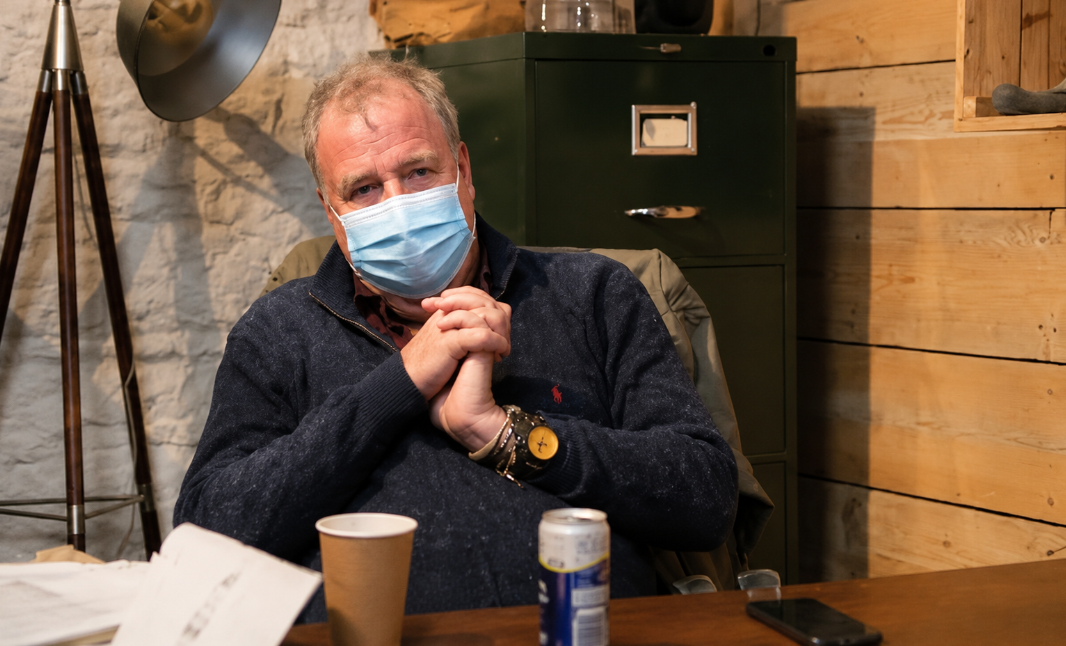
From Farming Comedy to Medical Reality
Clarkson’s Farm has historically been structured around agricultural trials, business experimentation, and rural Britain’s economic realities. However, Season 5 introduced a dual-layer narrative: physical health challenges alongside farming struggles.
Earlier in the season, Clarkson experienced serious cardiovascular issues linked to arterial blockage and underwent medical treatment. The latest episodes extend that arc into a second major health concern, intensifying the season’s emotional weight.
Media analysts note that this progression fundamentally alters the viewer experience. Rather than episodic farming setbacks, Season 5 becomes a continuous narrative of vulnerability, resilience, and uncertainty.
Public Reaction and the Role of Disclosure
Following the broadcast, discussion quickly expanded beyond entertainment circles into broader public health commentary. Clarkson’s decision to withhold specific details of the diagnosis has also drawn attention.
He reportedly stated that the location of the cancer is “of no concern to anybody,” a choice that aligns with increasing expectations around medical privacy for public figures.
Experts and commentators have highlighted that while transparency from celebrities can raise awareness, individuals are not obligated to disclose full medical details. This balance between public curiosity and personal privacy has become a central ethical talking point in media coverage of the story.
The Psychological Weight of the Word “Cancer”
One of the most discussed elements from the broadcast is not the medical detail itself, but the psychological response to the diagnosis. Clarkson described the moment of hearing the word “cancer” as overwhelming, with attention narrowing immediately and further explanation becoming difficult to process.
This reaction is widely recognized in medical communication research: patients often experience cognitive overload upon diagnosis, absorbing only fragments of information in the moment.
During studio discussion segments, presenters reflected on how cancer diagnoses affect families nationwide, with statistical references noting that thousands of people receive similar news daily in the UK. The emotional resonance of Clarkson’s disclosure lies not in its uniqueness, but in its familiarity to millions of households.
Early Detection and Public Health Implications
A consistent theme emerging from commentary is the importance of early detection. Clarkson emphasized that his condition was caught early, which significantly improves treatment outcomes in many cancer types.
This has reignited public discussion around routine screening and preventative health checks. Medical voices highlighted that early-stage detection often leads to high treatment success rates, reinforcing long-standing health guidance.
The broadcast has therefore taken on an unintended public health function: encouraging viewers to reflect on their own medical check-ups and risk awareness.

Season 5 as a Narrative Turning Point
From a production standpoint, Season 5 of Clarkson’s Farm may be viewed as a structural pivot point in the series. What began as a farming-focused documentary now incorporates long-form personal storytelling involving life-threatening health concerns.
This shift raises questions about the future tone of the series. Analysts suggest that future episodes may continue blending agricultural operations with personal resilience narratives, particularly if Clarkson continues to reference his recovery journey.
Broader Media Impact and Viewer Engagement
The disclosure also demonstrates the evolving role of documentary-style programming in modern media ecosystems. Reality-based series are increasingly expected to balance entertainment with authentic personal storytelling.
Clarkson’s openness—despite withholding certain medical specifics—has amplified viewer engagement and sparked debate over how much personal health information public figures should share.
Conclusion: A Story Beyond Farming
While Jeremy Clarkson has built a career on humor, controversy, and rural experimentation, this latest development introduces a far more serious dimension to his public narrative.
As viewers process the emotional weight of Season 5, the story now extends beyond farming and television production. It becomes a reflection of vulnerability, early diagnosis, and the shared human experience of illness.
For now, Clarkson’s condition remains private in detail but public in impact—and the conversation it has sparked is likely to continue well beyond the final episode credits.