Tony Beets’ Bold Move: A Generational Power Shift in the Klondike as Mike Beets Receives His Own Gold Mine
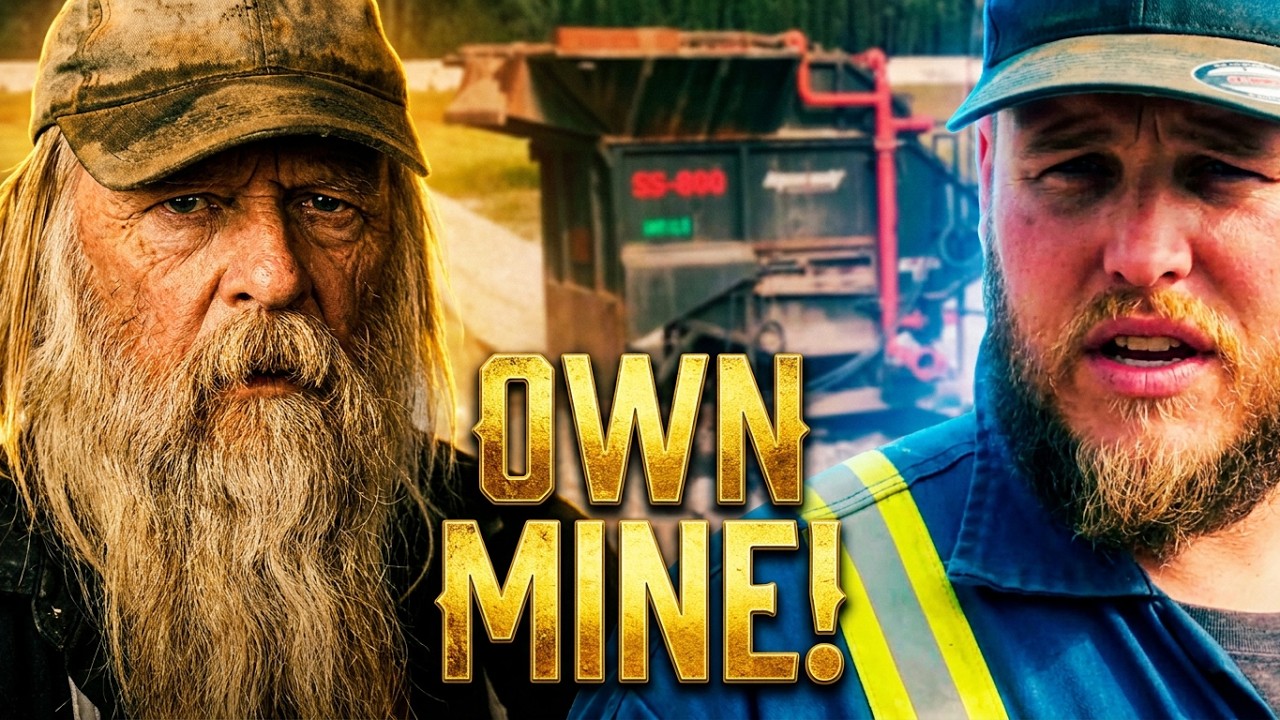
From the perspective of a long-time Gold Rush analyst, few developments would signal a more significant structural shift in the Beets mining empire than the reported move by Tony Beets to purchase and transfer ownership of a fully operational gold mine to his son, Mike Beets. If confirmed, this would represent not just a generous familial gesture, but a calculated long-term succession strategy within one of the most influential mining operations featured in Gold Rush.
At face value, the narrative is simple: a father rewarding his son with the ultimate professional asset. However, in the context of Klondike mining economics, equipment logistics, and generational workforce transition, this move carries implications far beyond sentiment.
A Strategic Succession Plan Hidden in Plain Sight
The Beets operation has always functioned differently from most crews in the Klondike. While other miners often operate season-to-season under financial pressure, Tony Beets has built a vertically integrated system—owning heavy equipment fleets, dredge infrastructure, and multiple claims across the Yukon.
Within that framework, transferring a mine to Mike is less a gift and more a controlled decentralization of operational authority. From an analyst’s standpoint, this suggests Tony is actively stress-testing a multi-node mining empire where each family member becomes responsible for a semi-independent production unit.
This would be a major evolution of the Beets strategy: instead of a single large-scale flagship operation managed directly by Tony, the family could transition toward multiple coordinated mines managed by different Beets operators.


Mike Beets: From Operator to Independent Producer
Historically, Mike Beets has functioned in a supporting but increasingly technical role within the family system. Known for plant operation oversight and field adaptability, Mike has already demonstrated competence in managing heavy processing systems and responding to unpredictable ground conditions.
The transition to full mine ownership, however, introduces an entirely new dimension of responsibility:
- Payroll and crew management autonomy
- Equipment acquisition and maintenance planning
- Ground selection strategy and geological risk assessment
- Direct production accountability for ounces recovered per season
In practical terms, Mike would no longer be executing strategy—he would be defining it.
From a production standpoint, this raises a critical question: has Mike been given mature, proven ground, or is he being positioned on a developmental claim designed to test his long-term viability as an independent mining leader?
Economic Implications for the Beets Operation
Mining economics in the Klondike are notoriously unforgiving. Even established operators must balance fuel consumption, equipment downtime, and variable pay gravel yield. A standalone mine introduces exposure that is no longer buffered by Tony’s centralized resources.
If Mike’s mine is truly independent, analysts would expect:
- A short-term reduction in overall Beets fleet efficiency
- Reallocation of key personnel between operations
- Increased capital expenditure to stabilize production
- Higher risk tolerance in Mike’s decision-making window
However, there is also a counterbalance: diversification. If successful, Mike’s mine becomes a second revenue engine capable of smoothing seasonal variability across the broader Beets portfolio.
In industry terms, this resembles a mining conglomerate shifting from single-site dependency to multi-asset production resilience.
What This Means for Tony Beets’ Long-Term Strategy
For Tony Beets, this move may signal the early stages of semi-retirement planning without actual withdrawal from operations. Tony has historically been characterized by high operational control, hands-on supervision, and a low tolerance for inefficiency. Delegating an entire mine indicates a significant shift in trust architecture within the organization.
There are three plausible strategic motivations:
- Succession Engineering – Training Mike to eventually absorb core operational leadership.
- Operational Load Distribution – Reducing bottlenecks during peak production windows.
- Risk Segmentation – Isolating financial exposure across separate mine entities.
Each scenario suggests Tony is thinking beyond seasonal gold recovery and instead positioning the Beets family as a long-term mining institution.
Industry Ripple Effects and Competitive Pressure
Within the broader Gold Rush ecosystem, such a move would not go unnoticed. Competing operators often monitor the Beets family closely due to their scale and equipment sophistication. A successful independent Mike mine could introduce new competitive pressure in adjacent claims, particularly if it begins attracting skilled labor or leasing high-value ground.
Conversely, if the transition struggles, it may reinforce a long-standing industry truth: even well-resourced mining operations remain heavily dependent on experienced leadership rather than assets alone.
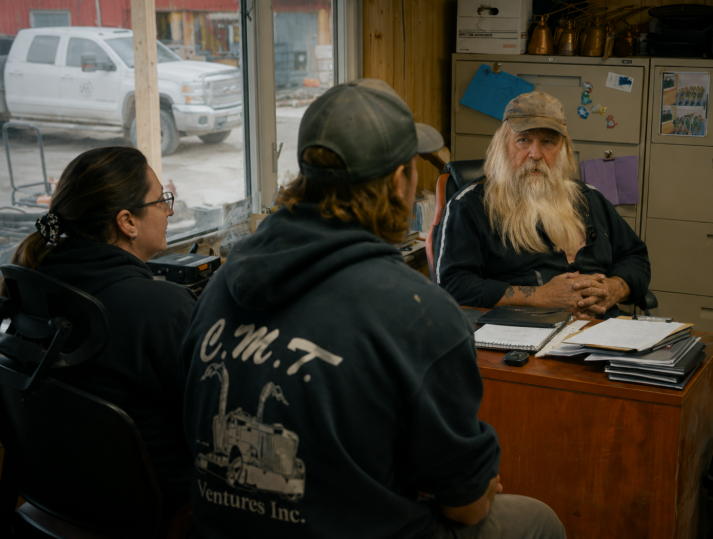
Future Scenarios: Three Likely Outcomes
From an analytical forecasting perspective, three trajectories emerge:
1. Rapid Stabilization and Expansion
Mike successfully scales production, and the Beets family begins operating multiple coordinated mines, increasing total seasonal output significantly.
2. Controlled Learning Curve
The mine experiences early inefficiencies, but serves as a training ground, gradually improving under Tony’s indirect oversight.
3. Operational Retrenchment
If performance drops significantly, control may revert to centralized management under Tony, with Mike reassigned to supervisory support roles.
Final Analysis
Whether viewed as a gift, a test, or a calculated corporate restructuring, the reported transfer of a gold mine to Mike Beets marks a pivotal moment in the evolution of the Beets mining legacy. It signals a shift away from purely patriarchal control toward a distributed family enterprise model.
In the high-risk, high-reward environment of the Klondike, such transitions are rarely smooth—but when executed correctly, they redefine the scale at which a mining family can operate.
The coming seasons will reveal whether this is the beginning of a Beets dynasty expansion—or a reminder that in gold mining, ownership is far easier to grant than success is to sustain.