Gold Rush Recovery and Setback: Broken A60 Truck Disrupts Parker Schnabel’s Yukon Operation
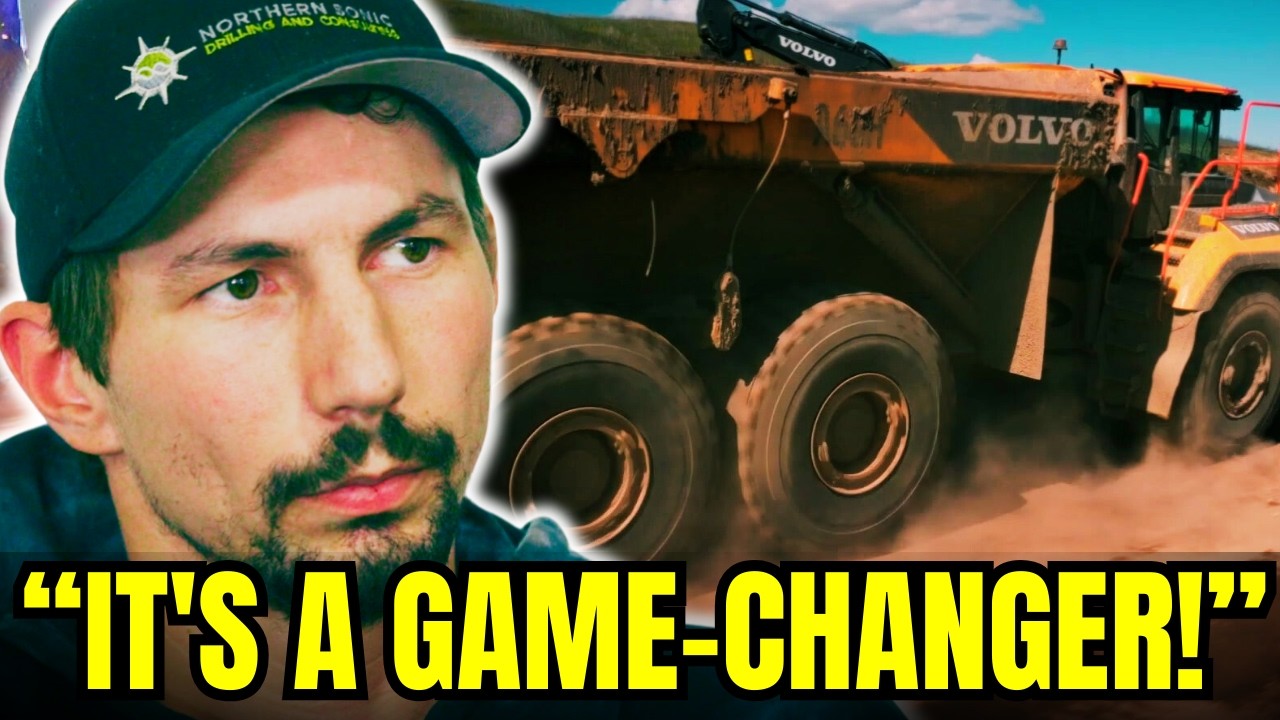
A sudden mechanical failure on Parker Schnabel’s Yukon operation has exposed the fragile balance between high-volume mining efficiency and heavy-equipment reliability, as one of the key haul trucks suffered a catastrophic breakdown mid-shift. The incident, involving a 60-ton A60 dump truck operated by newcomer James Curts, temporarily halted production and forced the crew into emergency repair mode before operations could resume later the same day.
While the breakdown initially threatened to slow momentum in Parker’s push toward an ambitious 8,000-ounce seasonal target, the crew’s rapid response ensured minimal long-term disruption. However, analysts suggest the event highlights a recurring structural vulnerability in large-scale placer mining: even minor mechanical failures in critical haulage systems can cascade into major production inefficiencies.
A Critical Failure in the Cut
The incident occurred when the A60 truck, loaded with approximately 60 tons of pay dirt, suffered a sudden failure in its drive shaft assembly. According to operational reports from the field, the companion flange connecting the drive shaft to the rear axle snapped unexpectedly while descending a ramp within the cut.
The result was immediate and severe. The broken connection triggered a chain reaction that damaged brake lines, hydraulic hoses, and electrical wiring systems, effectively disabling both the braking and dump functions of the vehicle. For a machine of this scale operating under load, the failure created a high-risk situation requiring immediate containment and careful extraction from the active mining zone.
Crew members quickly recognized the severity of the situation. With error codes flashing and hydraulic systems compromised, the truck had to be carefully parked and stabilized to prevent further mechanical or safety hazards.


Emergency Field Engineering Response
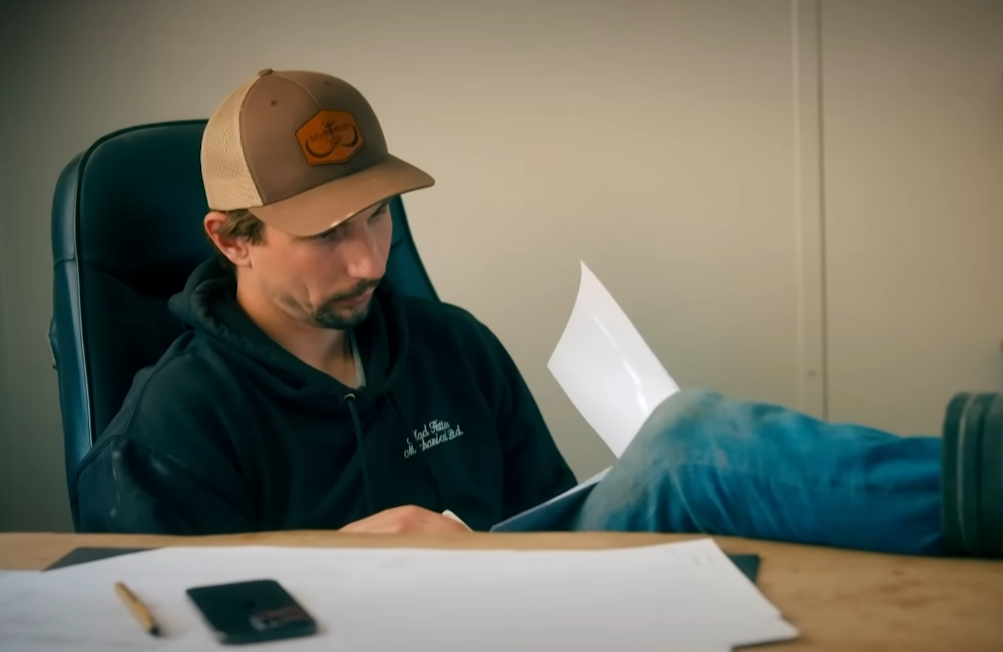
In true Gold Rush fashion, the crew transitioned rapidly from production mode to field engineering recovery. Under the coordination of lead mechanic Taylor and support crew members, the team initiated a full system bypass and repair operation directly within the cut.
The immediate priority was restoring essential functionality: replacing damaged hydraulic hoses, electrical harnesses, and brake lines to regain partial control of the dump system. This step was critical, as the truck’s loaded bed still contained valuable pay dirt that needed to be recovered before any full mechanical rebuild could occur.
Once temporary systems were restored, the crew moved to the next phase: reinstalling a replacement drive shaft assembly. This required precision alignment of the new shaft with the companion flange and differential input—an operation made significantly more complex by the truck’s size, weight distribution, and limited maneuvering space.
With the transmission in neutral and controlled braking applied manually, technicians carefully aligned components using pry bars, cranes, and incremental adjustments. The final bolt installation marked the restoration of drivetrain integrity and allowed the vehicle to be safely returned to operational status.
Remarkably, the entire repair process was completed in approximately six hours, minimizing downtime during a critical production period.
Operational Impact: Short-Term Disruption, Long-Term Pressure
Despite the rapid recovery, the incident underscored how dependent large-scale gold mining operations are on single-point mechanical systems. A failure in one drivetrain component effectively removed a key production asset from circulation during peak hauling activity.
For Parker Schnabel’s team, which operates under tight weekly gold production targets, even a few hours of downtime can have measurable effects on seasonal output pacing. The goal of maintaining consistent weekly recovery rates—estimated at around 600 ounces per week—requires uninterrupted material movement from cut to wash plant.
While the A60 was restored within the same day, the interruption highlighted a broader operational challenge: aging or high-stress equipment failure remains one of the most unpredictable variables in Yukon mining operations.
Return to Production: Roxanne and Big Red Deliver Mixed Results
Following the mechanical recovery, attention shifted back to gold production results from key wash plants, including Big Red and Roxanne. Weekly performance data revealed mixed outcomes across the operation.
Big Red’s processing line, operating in Tyson Lee’s cut, delivered a haul of approximately 136 ounces from bridge cut material. While respectable, internal commentary suggested the operation was working hard to maximize yield from available pay dirt.
More critical, however, were the results from Roxanne, which is central to Parker’s broader production target of approximately 3,000 ounces for the cut. The wash plant delivered 307.6 ounces for the week—falling short of the 475-ounce benchmark required to stay on track.
This represented a noticeable decline compared to previous weeks, marking a two-week downward trend in output performance. While not catastrophic, the dip raises concerns about feed consistency, ground variability, and potential bottlenecks in excavation efficiency.
Seasonal Pressure Intensifies as Targets Remain High
Despite the fluctuations, Parker Schnabel’s overall seasonal total now stands at approximately 4,175.4 ounces, placing him near the midpoint of his annual target. However, analysts note that the timing of the production slowdown is significant, as mid-season typically represents the peak efficiency window before ground conditions deteriorate and operational challenges increase.
The combination of mechanical failure and reduced gold output creates a dual-pressure scenario: equipment reliability and production consistency must both improve simultaneously to maintain trajectory toward end-of-season goals.
Crew members acknowledged the dip in performance candidly, emphasizing the need to “pump the numbers back up” and regain momentum in upcoming shifts. Such internal awareness reflects the highly data-driven nature of modern placer mining, where daily output is closely monitored against long-term financial targets.

Analyst Outlook: Fragility Beneath High Performance
From an operational analysis perspective, this episode reinforces a key reality of large-scale mining: success is often constrained not by geological potential, but by mechanical reliability and logistical coordination.
Parker Schnabel’s operation is built on high-throughput systems—large haul trucks, multiple wash plants, and continuous excavation cycles. While this model enables high production ceilings, it also increases exposure to single-point failures, such as the A60 drive shaft incident.
Similarly, fluctuations in wash plant output suggest that even when equipment is operational, variability in pay dirt quality and feed consistency can significantly impact weekly totals.
Conclusion: Recovery Achieved, but Pressure Builds
Although the A60 truck was successfully repaired and returned to service within hours, the incident serves as a reminder of the delicate equilibrium required to sustain high-output gold mining operations in the Yukon.
Parker Schnabel’s team remains firmly in the race toward their seasonal target, with over 4,000 ounces already secured. However, with production dips emerging alongside mechanical stress events, the coming weeks will be critical in determining whether the operation can stabilize and accelerate—or continue to fluctuate under pressure.
As always in Gold Rush, the difference between a record season and a disappointing one often comes down to moments like this: a single broken component, a rapid response, and the relentless push to keep the gold moving.