Clarkson Eyes Pub Venture in Bold “Farm-to-Fork” Expansion Plan as Rural Business Debate Intensifies
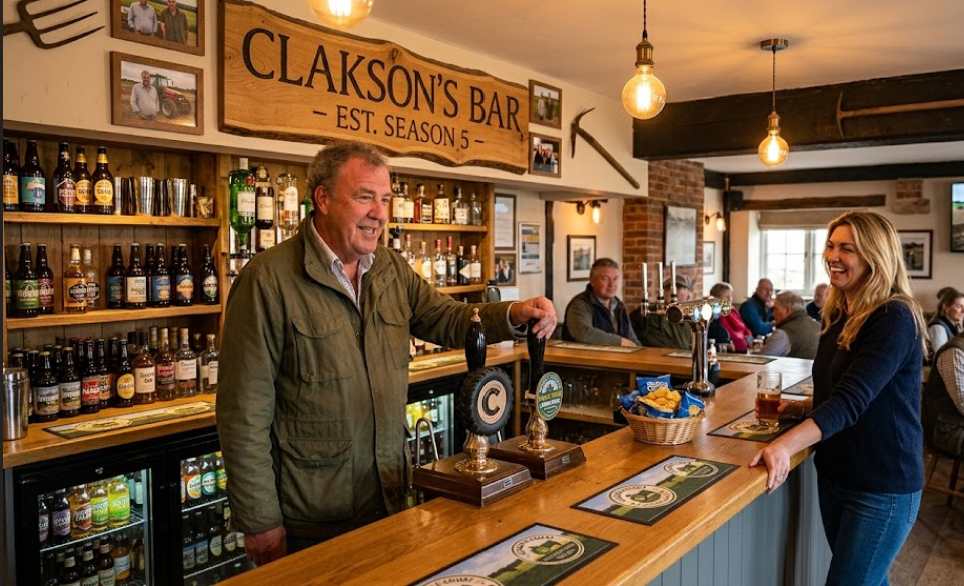
Jeremy Clarkson has once again sparked discussion across rural Britain after revealing an ambitious new idea: purchasing and running a pub as an extension of his Diddly Squat farm operation. The proposal, discussed in a candid exchange with colleagues, outlines a vision that would connect farm production directly to a hospitality business, serving food and drink sourced entirely from his agricultural output.
While Clarkson framed the concept as a natural evolution of his “farm-to-fork” philosophy, the conversation quickly shifted into a broader analysis of the realities facing Britain’s struggling pub industry. With thousands of closures recorded over the past two decades, the idea raises both economic and logistical questions about whether such a venture can succeed in today’s rural business environment.
A Vision Built on Farm Integration
At the core of Clarkson’s idea is a simple commercial logic: produce food on the farm and sell it directly through a pub setting. In theory, this would eliminate intermediaries, increase profit margins, and strengthen the branding of Diddly Squat products.
The proposed model would see farm-grown produce—including meats, eggs, grains, and other ingredients—flow directly into pub meals. This vertically integrated approach mirrors modern agricultural diversification strategies, where farms expand into retail, hospitality, and tourism to stabilize income streams.
Clarkson has repeatedly emphasized his desire to avoid the overcrowding and logistical issues experienced at the farm shop, suggesting a roadside or coaching-inn style location rather than a village-based establishment. The goal, according to the discussion, is to maintain rural authenticity without creating direct conflict with local communities.

A Sector Under Severe Pressure
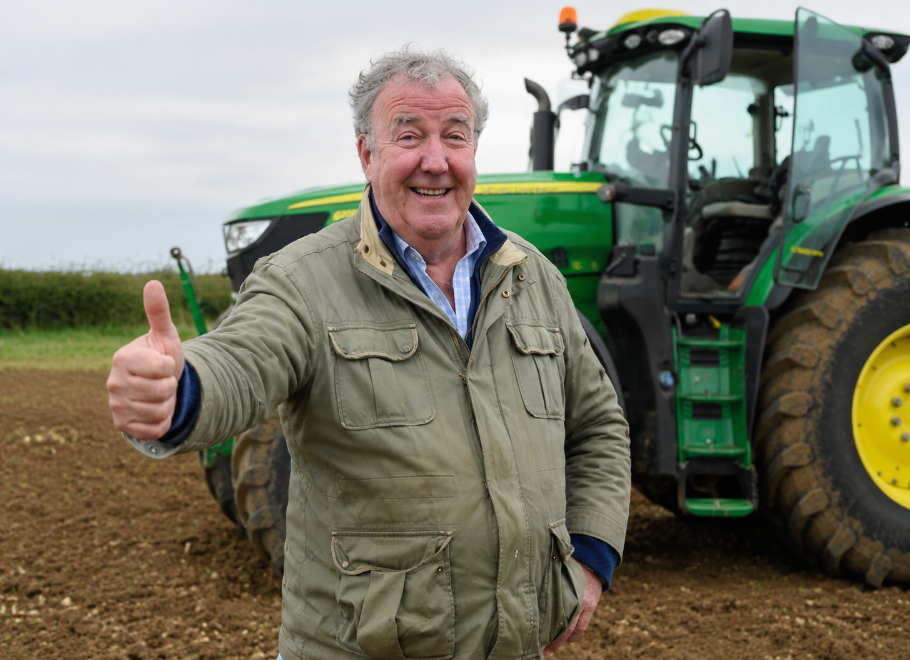
However, the optimism surrounding the idea is tempered by harsh economic realities. The UK pub industry has experienced significant contraction over the past two decades, with estimates suggesting tens of thousands of closures since the early 2000s.
Rising operational costs, staffing shortages, taxation pressures, and shifting consumer habits have all contributed to the decline. Many surviving pubs now rely on high-margin food and drink pricing to remain viable, a model that often excludes lower-cost dining options.
From an analytical standpoint, this raises immediate concerns about viability. Any new pub venture entering the market must contend with thin margins, high overheads, and intense competition from established chains and hospitality groups.
Staffing and Operational Complexity
One of the most significant challenges identified in the discussion is staffing. Running a pub requires structured management systems, including human resources oversight, scheduling, compliance, and customer service coordination.
Clarkson’s informal approach—highlighted in the exchange as a contrast to modern HR systems—reflects a broader cultural gap between traditional rural entrepreneurship and contemporary hospitality management requirements. While enthusiasm and branding power are strong assets, they are not substitutes for operational infrastructure.
In modern pub economics, staffing is often the most unpredictable cost center. Recruitment, retention, training, and regulatory compliance all contribute to ongoing financial pressure. Any new entrant would need a robust framework to manage these challenges effectively.
Farm-to-Pub Synergy: Opportunity or Overextension?
From a strategic perspective, the proposed pub could strengthen the Diddly Squat brand by extending its supply chain directly into hospitality. This would create a closed-loop system where production, processing, and consumption are all controlled under one operational umbrella.
Such models have been successful in niche agritourism markets, particularly where strong branding and visitor demand already exist. However, scaling this concept beyond controlled environments introduces significant risk.
The key question is whether farm-based production can consistently meet the volume, consistency, and regulatory standards required for commercial food service operations. Any disruption in agricultural output—weather, livestock issues, or seasonal variability—could directly impact pub operations.
Economic Reality vs Entrepreneurial Optimism
The discussion highlights a recurring theme in Clarkson’s agricultural ventures: the tension between entrepreneurial optimism and rural economic reality. While the idea of integrating farm produce into a pub setting is appealing, execution depends heavily on infrastructure, staffing systems, and market positioning.
The hospitality sector operates on tight margins, and even well-branded establishments can struggle without consistent footfall and disciplined cost control. Analysts note that many rural pubs that have survived recent industry decline have done so by diversifying income streams or aligning with larger corporate groups.
Cultural Appeal and Brand Strength
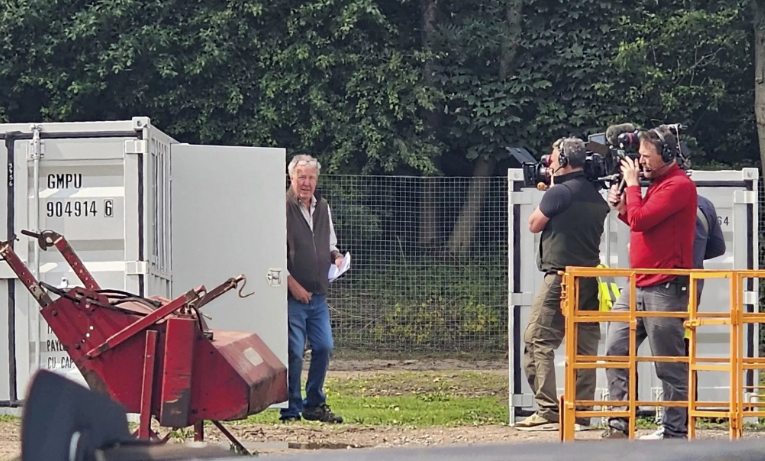
Despite the challenges, Clarkson’s public profile cannot be ignored. The success of Clarkson’s Farm and the Diddly Squat brand has demonstrated a strong consumer appetite for authentic, farm-linked products and experiences.
This cultural capital could provide a significant advantage in attracting initial customers and generating media attention. In an industry where visibility often translates into early revenue momentum, brand recognition may offset some of the risks associated with market entry.
Conclusion: A Concept at the Crossroads of Farming and Hospitality
Jeremy Clarkson’s proposed pub venture represents more than a business idea—it reflects a broader shift in how modern farms are attempting to survive in a changing economic landscape. By extending agricultural production into hospitality, the concept aims to capture more value from the supply chain while maintaining rural identity.
However, the challenges are substantial. From staffing and regulation to market saturation and cost control, the pub industry presents a level of complexity that rivals farming itself.
Whether the idea progresses beyond discussion will depend on execution, structure, and the ability to balance ambition with operational discipline. For now, it stands as another example of Clarkson’s ongoing attempt to redefine what a modern British farm can become—one pint at a time.