Instability in Klondike: Alleged Gold Theft from Tony Beets Raises Concerns Over Security in Yukon Mining Region

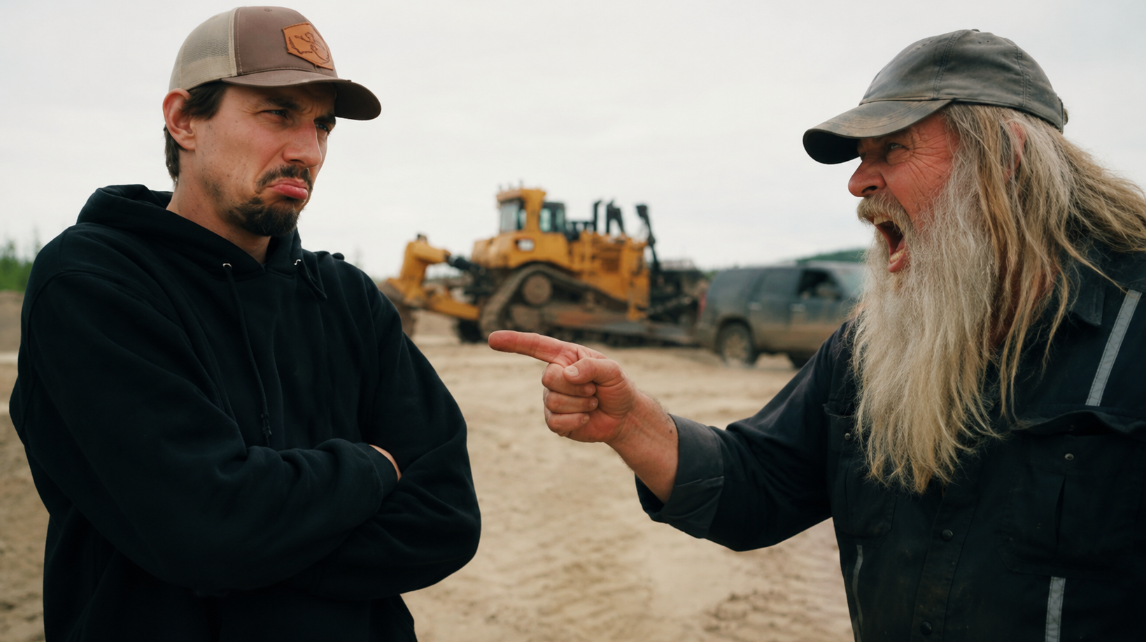
The Klondike mining region has been thrown into discussion following claims that veteran Gold Rush miner Tony Beets was robbed of approximately 20 kilograms of gold during a break-in at his residence. While details remain unverified within the public domain, the narrative has rapidly circulated among mining analysts and fans of the series, raising broader questions about security risks, asset protection, and operational vulnerability in remote mining territories.
If accurate, the incident would represent one of the most significant personal security breaches linked to a major figure in modern placer mining, highlighting a rarely discussed aspect of the industry: the physical exposure of high-value resources during seasonal operations.
A High-Value Industry with High-Risk Exposure
Gold mining in the Klondike is inherently high-risk, not only in operational terms but also in logistical and security dimensions. Miners frequently handle large quantities of gold during seasonal cleanups, often storing or transporting high-value material through remote and minimally secured environments.
Tony Beets, one of the most established operators in the region, typically runs large-scale wash plant operations where gold is accumulated in significant quantities before being weighed, processed, and secured. In such an environment, even temporary storage of recovered gold can represent substantial monetary value concentrated in a single location.
The reported figure of 20 kilograms of gold—equivalent to several hundred thousand dollars depending on market conditions—would represent a serious financial and operational disruption if confirmed.



Operational Vulnerability in Remote Mining Camps
Beyond the immediate implications of the alleged theft, analysts point to a broader structural issue affecting Klondike operations: geographic isolation combined with limited security infrastructure.
Mining camps in Yukon are often located far from law enforcement hubs, relying instead on private security measures, surveillance systems, or physical barriers. However, the transient nature of mining operations—where crews move equipment, materials, and personnel across multiple claims—creates windows of vulnerability that can be difficult to fully secure.
In high-output operations like those associated with Beets, gold recovery often occurs in cycles. During these cycles, gold may be stored on-site before consolidation, making it potentially accessible during transitional periods.
Impact on Beets’ Seasonal Operations
While Tony Beets’ mining empire is primarily defined by large-scale production efficiency and aggressive seasonal targets, an incident of this nature—if substantiated—could have both logistical and psychological impacts on the operation.
From a production standpoint, loss of processed gold would directly affect seasonal totals and financial returns. More importantly, it could prompt operational reassessment regarding how and where recovered gold is stored during active mining periods.
Beets’ crew structure, which relies heavily on coordinated family and long-term team members, is designed for operational efficiency rather than high-security containment. Any security breach would likely force a reassessment of internal handling procedures.
A Rare but Not Unprecedented Risk in Mining Regions
Although rare, theft incidents in remote industrial zones are not unheard of. High-value commodities such as fuel, machinery components, and precious metals can become targets due to their concentration and transport vulnerabilities.
However, gold theft at the scale described in the circulating narrative is unusual due to the difficulty of accessing secure processing areas. Most modern mining operations implement layered access controls, including restricted zones around gold rooms and processing facilities.
If a breach occurred, it would suggest either a significant lapse in perimeter security or exploitation of a non-operational window where gold was temporarily stored outside of secure containment.
Security in Modern Placer Mining: An Evolving Challenge
The incident—real or speculative—highlights an ongoing challenge within modern placer mining: balancing operational openness with asset protection.
Unlike traditional industrial mining sites with fixed infrastructure and centralized security systems, Klondike operations are highly mobile and seasonal. Equipment is often relocated, camps are temporary, and processing facilities are exposed to environmental and logistical constraints.
This flexibility is essential for accessing remote gold deposits but inherently increases exposure to external risk factors.
Potential Operational Response
If the reported theft is confirmed or taken seriously within the operational framework, several responses would likely follow:
- Increased surveillance around processing and storage areas
- Stricter chain-of-custody protocols for recovered gold
- Reduced on-site storage duration for high-value materials
- Enhanced coordination with local authorities or private security providers
- Structural redesign of gold room access and monitoring systems
Such changes could alter workflow efficiency but would significantly reduce vulnerability exposure.
Broader Implications for the Klondike Mining Community
Beyond Tony Beets’ operation specifically, the narrative has sparked wider discussion across the Klondike mining community about security standards in remote extraction industries.
As gold prices remain high and mining operations scale up, the concentration of value in isolated locations becomes increasingly significant. Larger operations may be required to adopt more formalized security frameworks similar to those used in urban industrial environments.
Conclusion: A Warning Signal for High-Value Remote Operations
Whether fully accurate or still developing as a narrative, the alleged theft of 20 kilograms of gold from Tony Beets serves as a focal point for a larger discussion about risk in remote mining environments.
It underscores a key reality of modern placer mining: operational success is no longer defined solely by how much gold is extracted, but also by how effectively that value is protected once it is recovered.
As Klondike operations continue to scale in size and output, the balance between accessibility and security may become one of the defining challenges of the next era of Gold Rush mining.