Searching for a Missing WWII Aircraft: The Barracuda Bomber Mystery That Still Haunts the Skies
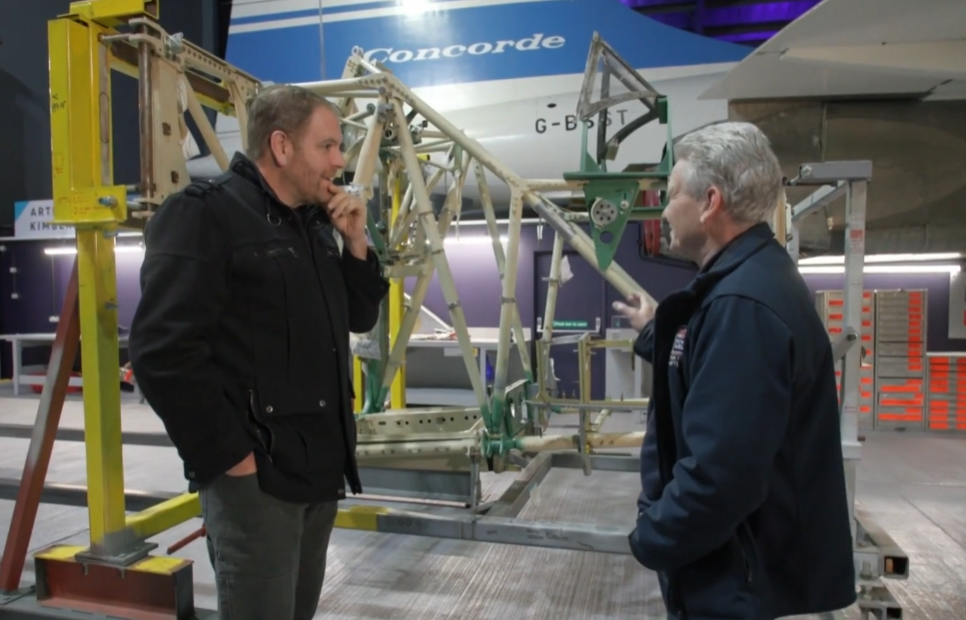
In a gripping episode of Expedition Unknown, explorer and investigator Josh Gates embarks on a high-stakes mission to locate a long-lost WWII-era aircraft known as the Barracuda bomber. The goal is not only to solve a historical mystery but also to potentially recover and restore one of the rarest surviving examples of wartime aviation technology.
The search for the missing bomber is more than an adventure story — it is a blend of history, archaeology, and aviation restoration, driven by the desire to preserve a forgotten piece of military heritage.
A Warplane Lost to History
The Barracuda bomber, originally deployed during World War II, played a crucial role in naval aviation operations. Designed for carrier-based missions, it was used for reconnaissance, bombing runs, and anti-ship warfare. However, like many wartime aircraft, not all units survived the conflict.
According to historical accounts referenced in the episode, one particular Barracuda aircraft disappeared under unclear circumstances, eventually becoming a “lost” plane whose location faded from official records over time. For decades, its fate remained unknown — a small but intriguing footnote in the broader history of WWII aviation.
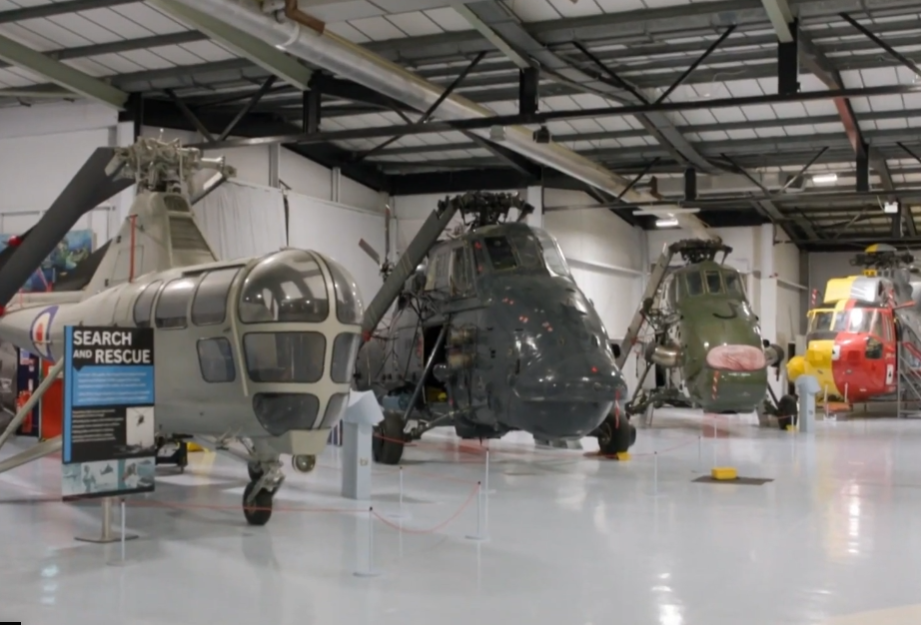
This missing aircraft became the focus of renewed interest among historians and restoration experts, who believe that recovering it could provide invaluable insight into engineering techniques of the era and help preserve aviation heritage for future generations.
Josh Gates Joins the Hunt
Known for blending field investigation with historical storytelling, Josh Gates leads the expedition into the search area where clues suggest the aircraft may have gone down or been abandoned. The mission involves analyzing old military records, interviewing aviation historians, and following fragmented leads that span decades.
The challenge is not just finding the aircraft, but verifying its identity and condition. Many WWII wrecks discovered around the world are heavily deteriorated, submerged, or buried, making identification extremely difficult without extensive forensic and structural analysis.
Gates and his team approach the investigation like detectives, piecing together a timeline of events that could explain how the Barracuda ended up lost. Every scrap of archival material — from pilot logs to wartime communication records — becomes a potential clue.
The Challenge of Recovery
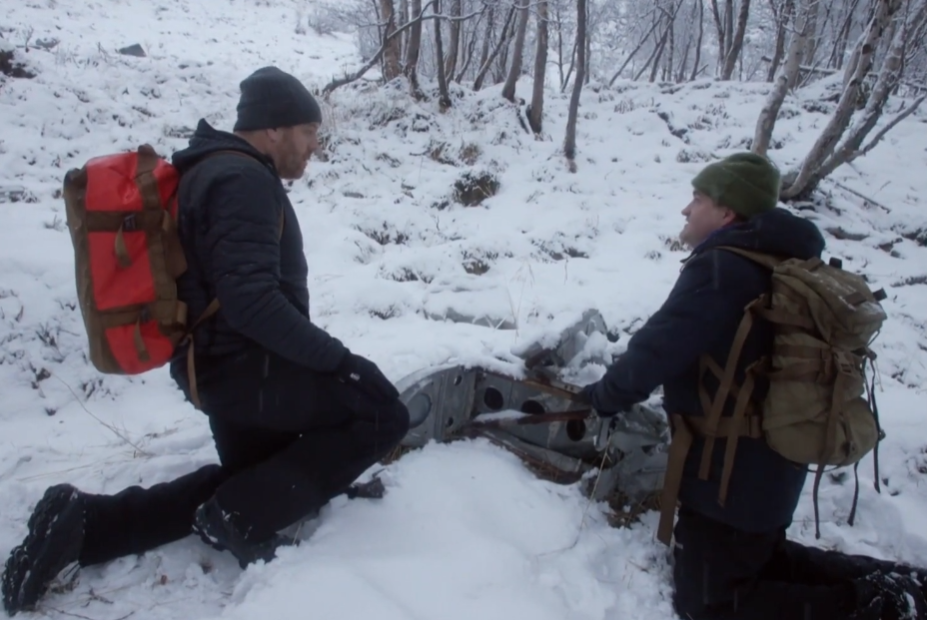
Locating a WWII aircraft after more than 70 years presents significant logistical and technical challenges. Even if the wreck is found, environmental exposure often means severe corrosion, fragmentation, or partial burial.
Specialized recovery teams must consider whether the aircraft can be safely extracted without further damage. In many cases, preservation in place becomes the preferred option, especially if the site has archaeological significance.
However, the Expedition Unknown episode highlights a more ambitious goal: not just documentation, but full restoration. If the Barracuda bomber is recoverable, aviation experts aim to bring it back to museum condition, restoring it as closely as possible to its original wartime configuration.
Why the Barracuda Matters
The Barracuda aircraft holds historical significance as part of the Royal Navy’s Fleet Air Arm operations. While it may not be as famous as fighters like the Spitfire or Mustang, it played an important role in carrier-based warfare and naval strategy during WWII.
Restoring such an aircraft would offer historians and engineers a rare opportunity to study original materials, construction techniques, and design philosophies from the period. For museums, it would also serve as a powerful educational artifact — a physical connection to the human and technological history of the war.
Balancing History and Mystery
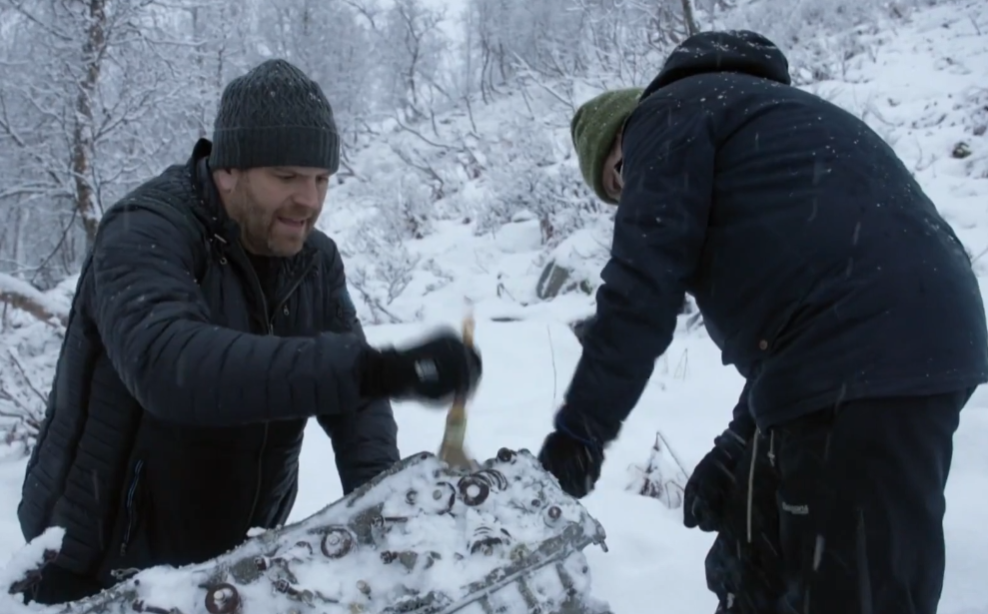
As the investigation unfolds, the episode underscores a recurring theme in Expedition Unknown: the tension between historical documentation and unresolved mystery. Despite extensive archives, many wartime losses remain only partially recorded, leaving gaps that modern explorers attempt to fill.
Josh Gates emphasizes that every recovered artifact contributes to a larger understanding of history, even if the full story is never completely reconstructed. Each discovery adds another piece to the puzzle of WWII aviation heritage.
A Mission Still in Progress
By the end of the episode, the search for the Barracuda bomber remains ongoing, reflecting the reality of historical investigation — progress is often slow, uncertain, and dependent on fragile clues. Yet the mission continues to inspire both researchers and viewers.
Whether or not the aircraft is ultimately recovered, the effort itself highlights the importance of preserving history before it is lost entirely. In the words echoed throughout the expedition, some stories do not end when they are forgotten — they simply wait to be rediscovered.
The hunt for the Barracuda bomber is one such story: suspended between past and present, waiting in silence beneath layers of time, ready to be brought back into the light.