THE PRICE OF EMPIRE: Schnabel and Beets Lock Horns in Record-Breaking Land Auction Ahead of ‘Gold Rush’ Season 17
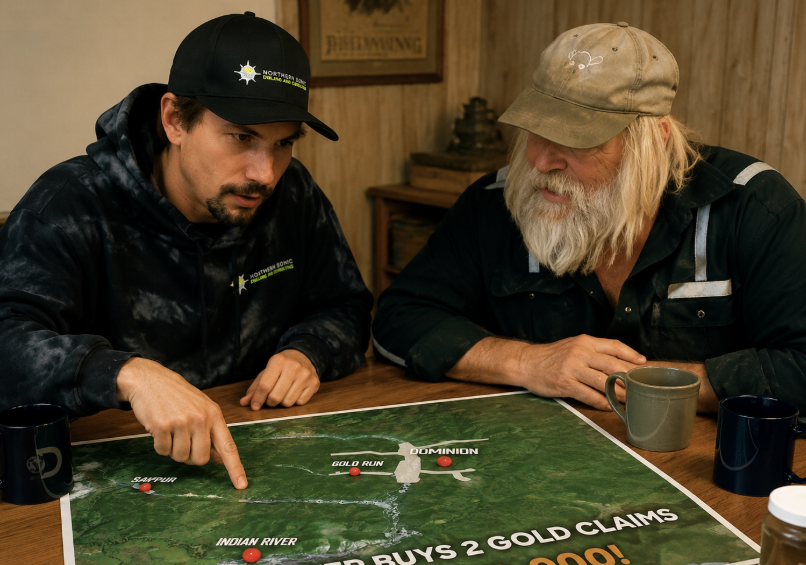
The ink is barely dry on the record-breaking balance sheets of Gold Rush Season 16, but the cold war between the Yukon’s two biggest mining titans has already erupted into an all-out corporate bidding war. While fans are still processing Parker Schnabel’s monumental $42 million haul and Tony Beets’ jaw-dropping $44 million gross run, the off-season has provided no rest for the competitive heavyweights.
Production insiders have leaked details of a high-stakes, closed-door regional land auction in Dawson City that quickly escalated into a legendary showdown of pride, strategy, and pure economic leverage. The ultimate prize on the block was a highly coveted, virgin gold claim bordering the lucrative Indian River district—a location geological experts estimate contains over $50 million in unrefined wealth.
The Fight for the Indian River Border
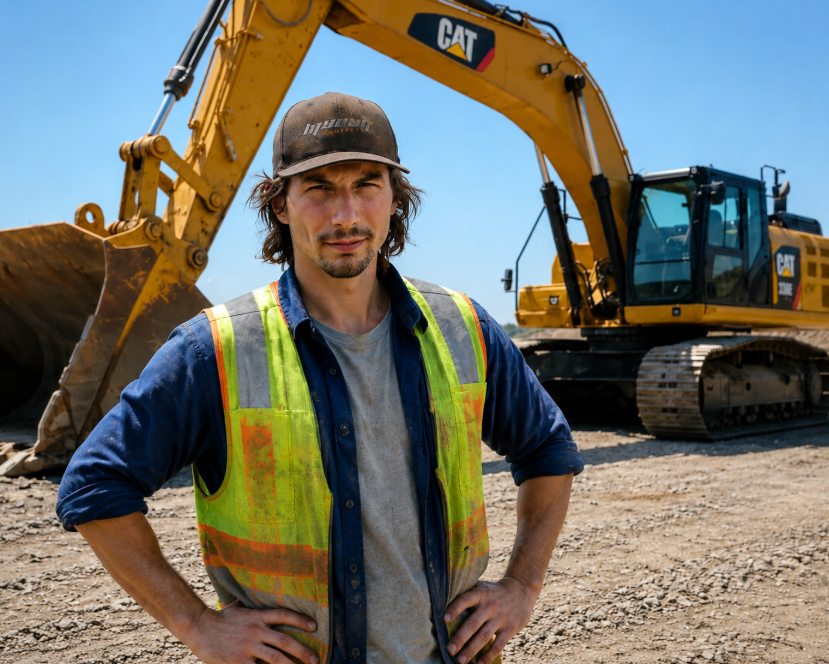
Placer mining is fundamentally a race against resource depletion. To maintain a functional empire, a mine boss must constantly feed massive wash plants with premium, un-mined pay dirt. For 31-year-old Parker Schnabel, who recently invested an astronomical $18 million to overhaul his infrastructure into a high-tech smart-mining syndicate, securing this specific land block was critical. Parker’s new automated fleet requires expansive, wide-open ground to operate at maximum mechanical efficiency.
On the other side of the ledger stood the 66-year-old patriarch Tony Beets. Fresh off his own massive season, Beets is fiercely determined to protect his family legacy. Backed by his wife Minnie’s ironclad banking reserves, the veteran miner viewed this specific land parcel as an extension of his decades-long regional dominance.
Financial Chicken in the Registry Office
According to eyewitnesses inside the regional mining registry office, the bidding started at a modest baseline of $1.5 million before transforming into a direct, head-to-head war between the two tycoons.
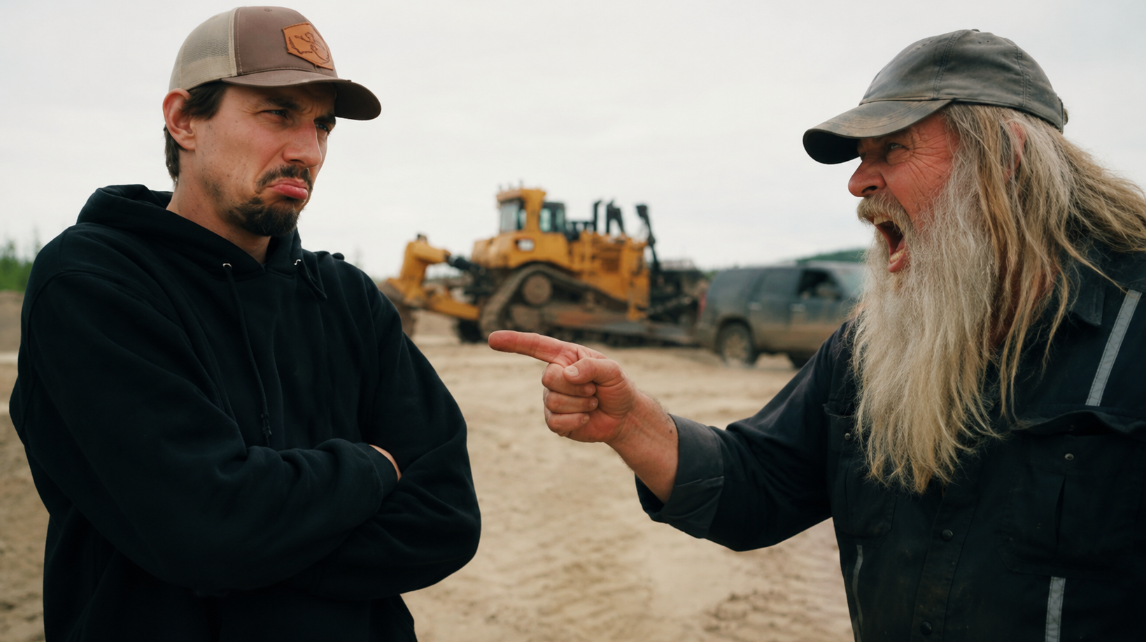
Beets operated with his signature, blunt intimidation strategy—aggressively raising the bid by $500,000 increments to try and scare his younger competitor out of the room. However, Schnabel, backed by a staggering $13.5 million in net profits from his recent campaign, refused to back down. Utilizing real-time exploratory drilling data compiled by his core team, Schnabel knew exactly how deep the gold-bearing gravel ran, matching Beets blow for blow.
“It wasn’t just a business negotiation; it was a psychological battleground,” a senior Yukon land appraiser whispered on the condition of anonymity. “Tony was slamming his fist, shouting that the kid couldn’t handle the overhead. But Parker just sat there calmly, checking his laptop telemetry, and raising the price. They pushed the valuation way past standard market rates.”
When the gavel finally fell, the final bid had reportedly shattered regional records, locking in at a historic multi-million-dollar figure. While the official winner remains tightly guarded under strict non-disclosure agreements until the premiere of Season 17, the economic fallout is clear: whoever walked away with the deed sacrificed a massive chunk of their capital reserves just to secure the ground.
High Stakes and Elevated Risks
This aggressive auction showdown fundamentally rewrites the dynamics for the upcoming mining cycle. By driving the land acquisition cost to historic extremes, both camps have significantly elevated their financial risk.
If the ground fails to produce immediate, high-grade gold targets, the massive overhead could stall Schnabel’s automated revolution or put immense pressure on the Beets family-run empire. Furthermore, this intense rivalry completely eliminates any chance of a late-season alliance, ensuring that Season 17 will be the most cutthroat, competitive chapter in Klondike history. As the bulldozers prepare to fire up for the spring thaw, the stage is set for an epic war of industrial attrition where only the most resilient dynasty will survive.