Clarkson’s Farm hero Gerald Cooper launches charity racehorse syndicate after prostate cancer recovery
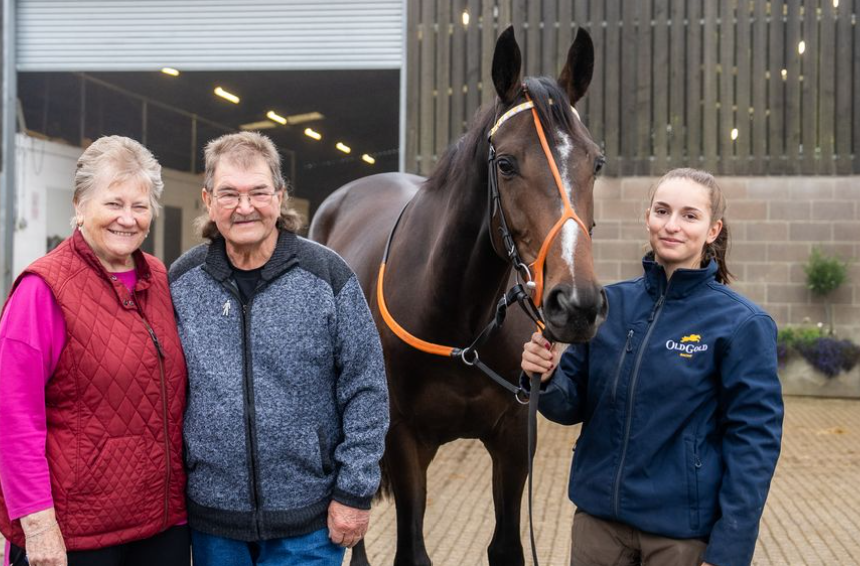
The world of Clarkson’s Farm has once again stepped beyond farming entertainment into deeply human territory, as a recent on-record conversation sheds light on the emotional impact of Gerald Cooper’s cancer diagnosis, his recovery journey, and the extraordinary wave of community support that followed.
Set against the backdrop of Diddly Squat Farm in Oxfordshire, the discussion reveals a side of the farm rarely seen on screen: not just agriculture and chaos, but resilience, grief, recovery, and collective solidarity.
A DIAGNOSIS THAT SHOOK THE FARM COMMUNITY
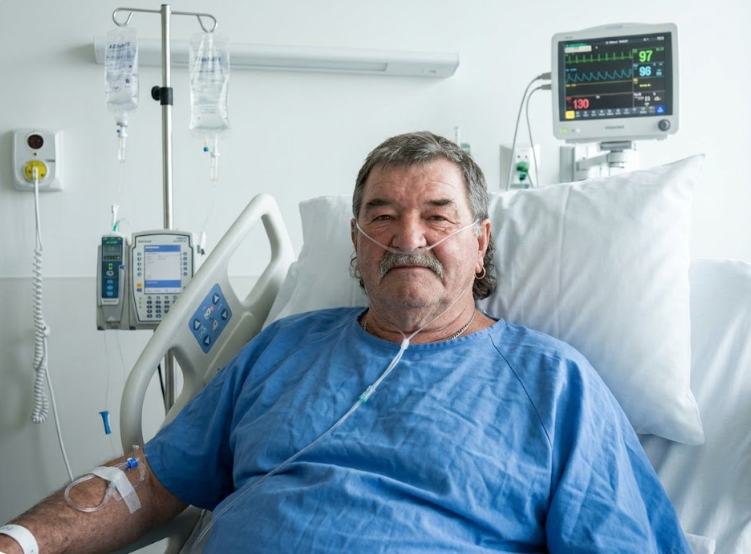
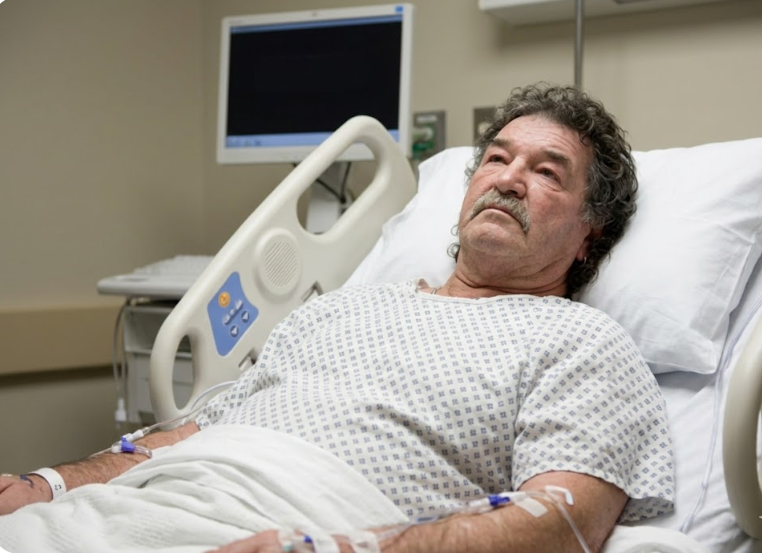
In the conversation, the emotional weight of Gerald Cooper’s diagnosis is immediately evident. The speaker recalls the moment of learning the news, describing it as “horrific” and “a shock,” noting that while illness had been suspected, the confirmation of cancer changed everything.
The reaction is consistent with a broader reality acknowledged across rural Britain, where cancer diagnoses are often not only medical crises but community events. Support networks tighten, responsibilities shift, and local identity becomes deeply intertwined with recovery journeys.
The reference to supporting Prostate Cancer UK highlights the wider awareness campaign connected to the experience. Prostate Cancer UK has long been central in raising awareness around male cancer screening and early diagnosis, and Gerald’s situation has now become part of that wider advocacy narrative.
GERALD COOPER: THE UNEXPECTED FOUNDATION OF THE FARM
Beyond the health crisis, the interview underscores just how integral Gerald Cooper is to the operational fabric of the farm featured in Clarkson’s Farm.
Described as someone who maintains extensive dry stone walls stretching across approximately 40 miles, Gerald is portrayed not as a background figure but as a structural pillar of the farm’s physical landscape. The walls—constantly damaged by wildlife and weather—require continuous maintenance, often carried out alone and with remarkable consistency.
His role is framed almost poetically: while machinery and television crews come and go, Gerald remains the constant, repairing what nature and time repeatedly undo.
This quiet dedication has elevated him into something beyond a supporting character. Within the ecosystem of Diddly Squat Farm, he represents continuity, tradition, and the unseen labor that keeps rural operations functioning.
COMMUNITY RESPONSE AND THE POWER OF LOCAL SUPPORT
One of the most striking aspects of the interview is the emphasis on community response following Gerald’s diagnosis. Friends, colleagues, and production teams associated with the farm reportedly rallied quickly to offer support.
The sentiment reflects a broader cultural truth often highlighted in rural documentaries: isolation in farming communities is counterbalanced by intense interpersonal loyalty. When crisis occurs, networks tighten rather than fragment.
The production team behind Clarkson’s Farm is also noted as having provided strong emotional and logistical support during this period, illustrating how documentary environments often blur the line between filming crew and extended community.
THE “MULLET” RACEHORSE PROJECT: CHARITY MEETS HUMOUR
Amid the seriousness of illness and recovery, the conversation shifts toward an unexpected initiative: a charity racehorse project.
Gerald’s involvement in the naming and symbolic framing of a racehorse—humorously called “The Mullet”—becomes a focal point of fundraising and morale-building. The horse project is not merely symbolic; it is directly tied to raising approximately £28,500 in combined contributions and prize-related support.
The initiative includes shared ownership efforts, with individuals encouraged to purchase small shares as part of a broader fundraising model. The goal is clear: convert community engagement into tangible support for charitable causes connected to cancer awareness and recovery.
The tone of the conversation reflects a balance between humor and sincerity. Even when discussing fundraising mechanics, the atmosphere remains grounded in rural wit and understated humour—an essential characteristic of life documented within Clarkson’s Farm.
FROM PUB PROFITS TO PERSONAL SACRIFICE
Another notable detail in the exchange is the reference to pub profits being redirected into charitable contributions. While framed casually, this gesture reflects a recurring theme in rural communities: informal economies being mobilised for collective good.
There is also a light-hearted moment involving symbolic “shares” and joking exchanges about horse ownership and farming responsibilities. However, beneath the humour lies a consistent message—people are willing to contribute financially and emotionally to support Gerald’s recovery and related causes.
The willingness to convert everyday income streams into charitable support underscores the deep integration between social life and economic activity in rural Britain.
HEALTH, HUMOUR, AND HUMAN RESILIENCE
Despite the gravity of cancer, the conversation repeatedly returns to humour as a coping mechanism. References to personality, local reputation, and even physical appearance are used to diffuse tension and maintain emotional balance.
This duality—serious illness paired with humour—is a defining feature of many rural narratives, particularly those captured in Clarkson’s Farm. It reflects not denial, but resilience: the ability to process hardship without being consumed by it.
The emotional arc of Gerald’s journey is therefore not just medical. It is social, cultural, and deeply communal.
A LARGER MESSAGE BEYOND THE FARM
Analysts of rural documentary storytelling note that moments like this often become defining episodes not because of their drama, but because of their authenticity. Gerald’s story, as presented here, transcends television framing and enters the realm of lived rural experience.
It highlights three interconnected realities:
- The fragility of health in aging rural populations
- The strength of informal community support systems
- The role of shared projects—like the racehorse initiative—in mobilising hope and resources
Within the wider context of Diddly Squat Farm, these themes reinforce the idea that farming life is not just about land and production, but about people, relationships, and survival.
CONCLUSION: MORE THAN A FARM STORY
What emerges from this account is not simply a narrative about illness or charity, but a portrait of collective resilience. Gerald Cooper’s experience has become a focal point for awareness, support, and community mobilisation, extending far beyond the boundaries of the farm itself.
As Clarkson’s Farm continues to document the unpredictability of rural life, this chapter stands as a reminder that its most powerful stories are not always about machinery, weather, or farming innovation.
Sometimes, they are about people holding each other together when life becomes unexpectedly fragile.