THE INVISIBLE ENEMY: CLAUSTROPHOBIA AND PTSD EMERGE AS THE GREATEST THREATS TO JOSH GATES IN EXPEDITION UNKNOWN SEASON 17
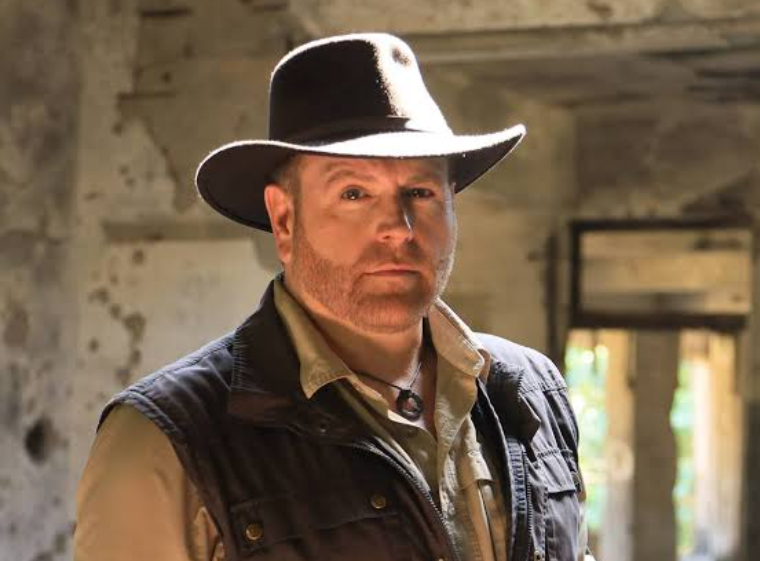
For sixteen seasons, fans of Discovery Channel’s Expedition Unknown have watched host Josh Gates stare down tangible, physical perils. He has swam alongside apex predators, negotiated unstable terrain, and navigated structurally compromised ruins. Yet, as the cameras roll on the highly anticipated premiere of Season 17, production notes indicate that Gates is preparing to face a completely different breed of danger. Following a catastrophic cavern collapse in South America that left him with a crushed right leg and severe physical trauma, Gates is stepping back into the dark. However, medical specialists and industry insiders warn that the greatest threat to his survival isn’t a secondary cave-in—it is the invisible, psychological cage of Post-Traumatic Stress Disorder (PTSD) and severe claustrophobia.
The Psychological Tripwire of the Field Set
The logistical decision to return to the exact coordinates of his near-fatal entombment has been hailed as an incredibly dramatic piece of television. The production objective is clear: salvage lost high-tech scanning equipment and recover data drives trapped under the debris. However, psychologists specialize in a different kind of structure, warning that dropping a trauma survivor back into the exact environmental trigger zone is a massive gamble.
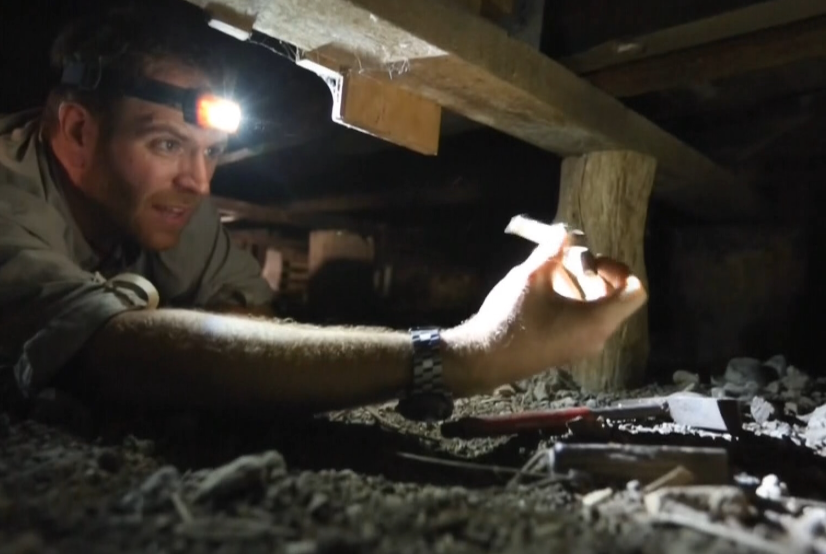
In clinical terms, returning to a tight, dark, subterranean environment after a near-death experience acts as an immediate psychological tripwire. The brain’s amygdala, which processes fear and survival instincts, can instantly misinterpret the confined space as an active threat. This immediate triggering of PTSD means that even though structural engineering crews have stabilized the cave entrance, Gates’ mind will perceive the environment as just as lethal as it was during the collapse. The rugged explorer won’t just be fighting the terrain; he will be actively fighting his own nervous system.
The Lethal Cascades of a Panic Attack Underground
What makes this mental battleground so terrifying are the immediate physical consequences of a panic attack while operating deep underground. In a confined, oxygen-depleted subterranean trench, a sudden wave of panic can quickly turn fatal.
If Gates experiences a severe claustrophobic trigger, the physiological reactions are immediate:
-
Hyperventilation: Rapid, shallow breathing rapidly depletes the immediate oxygen supply inside a tight crevice while spiking carbon dioxide levels in the bloodstream.
-
Loss of Situational Awareness: The acute cognitive blindness caused by a panic attack destroys focus, making it incredibly easy to misstep or misjudge structural stability.
“A panic attack in a controlled studio environment is distressing; a panic attack deep inside an unstable limestone cavern is a logistical nightmare,” warns Dr. Lawrence Vance, an expert in trauma psychology. “When the heart rate spikes and cognitive processing narrows down to pure survival panic, an individual can easily make an erratic movement, displace a stabilizing rock, or ignore vital safety warnings from the crew. It places the entire filming unit in immediate jeopardy.”
Facing the Abyss
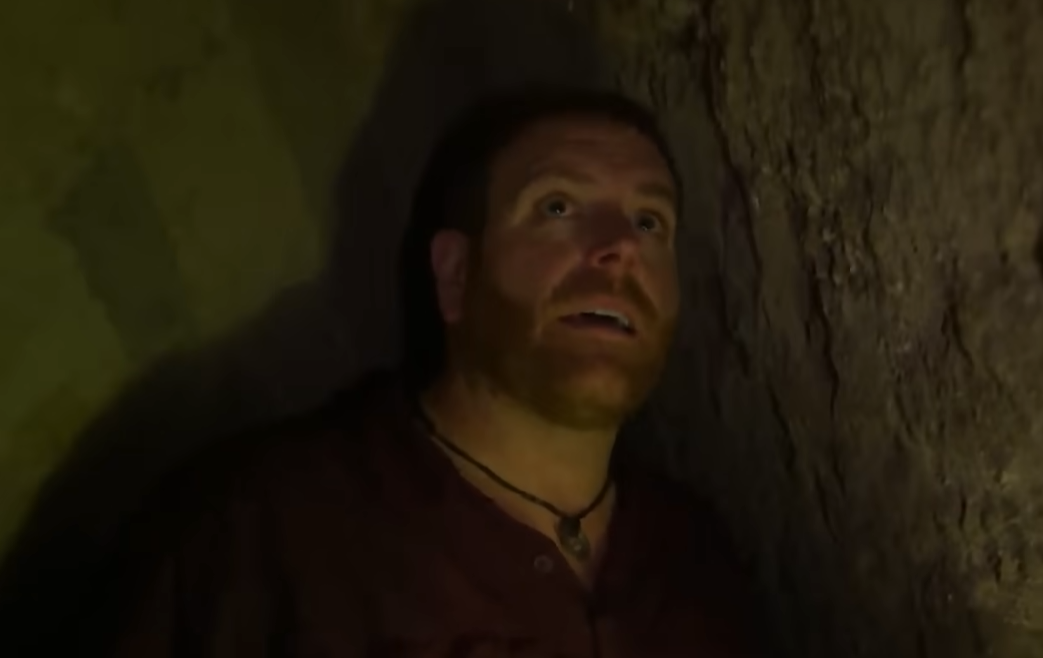
As the global “Gates-Nation” counts down to the season return, the stakes have truly never been higher. The premiere episode promises to be a masterclass in raw, unscripted human resilience. By choosing to confront his psychological limitations on camera, Josh Gates is demonstrating an incredible level of bravery that transcends standard television entertainment. But as he steps back into the suffocating darkness of the South American underground, viewers will be holding their breath—hoping that the legendary explorer can successfully conquer the shadows of his own mind.
Josh Gates’s Most Dangerous Adventures Abroad provides excellent visual context regarding the extreme environmental and physical situations Gates routinely encounters, highlighting the high stakes he faces when mental and physical limitations collide in the field.