Jeremy Clarkson’s Farm has rehabilitated an imperfect star and changed views of farming – Stephen Jardine
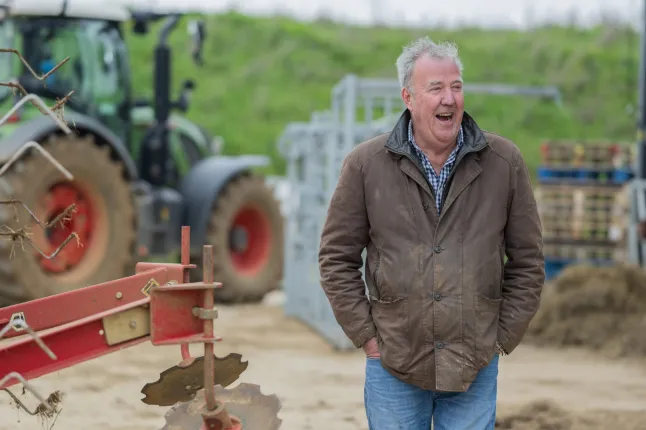
In an era when many high-profile celebrities drift further from the realities of everyday life, Jeremy Clarkson has done the opposite: he has marched straight into the mud — quite literally — and invited millions of viewers to watch him struggle, sweat and swear his way through the brutal world of modern farming. The transformation has not only reshaped public opinion of one of Britain’s most polarizing media personalities but has also sparked a renewed appreciation for the people who keep the country fed.
For most stars, fame comes with insulation. The bigger they become, the more detached they grow from ordinary hardship. The same reality TV contestants who once ate insects for screen time eventually demand luxury dressing rooms and gold-plated bathroom fixtures. But Clarkson, who famously exited the BBC after an altercation with a producer, has defied this trajectory entirely.
Following his departure from Top Gear, Clarkson secured a lucrative deal with Amazon reportedly worth at least £200 million. With such financial backing, he could have spent his days cruising in exotic cars through even more exotic destinations, filming exactly the kind of escapism audiences expected. Instead, he chose to trade supercars for tractors and sun-soaked racetracks for soggy Oxfordshire fields.
A Big Star in Leaking Boots
Now in its latest series, Clarkson’s Farm documents his ongoing attempt to turn Diddly Squat Farm into a functioning agricultural business. His first year of labor — filled with trial, error and a heavy dose of comedic chaos — resulted in a profit of just £114. That number might sound inconsequential to someone with Clarkson’s earning power, but it reflects the tough financial reality many British farmers face daily.
The brand-new episodes push the emotional boundaries even further. Viewers watched as Clarkson and his wife Lisa Hogan broke down in tears during a disastrous attempt at pig farming. What began as a hopeful diversification effort turned devastating when several piglets died, followed by the loss of a sow. Filmed on a freezing, rain-soaked night with nothing but a handheld torch and a vet giving instructions over the phone, the scene showcased raw vulnerability not often associated with the famously outspoken presenter.
While the entertainment world glammed up for events like the Met Gala — complete with costly gowns, flawless lighting and the latest Hollywood beauty trends — Clarkson pulled on a pair of leaking boots and a waxed jacket stained with the realities of farm life. His shirts strain, his face is unfiltered and worn, and the camera follows him through every stumble, frustration and heartbreak. The contrast is stark, and it’s precisely why audiences can’t look away.
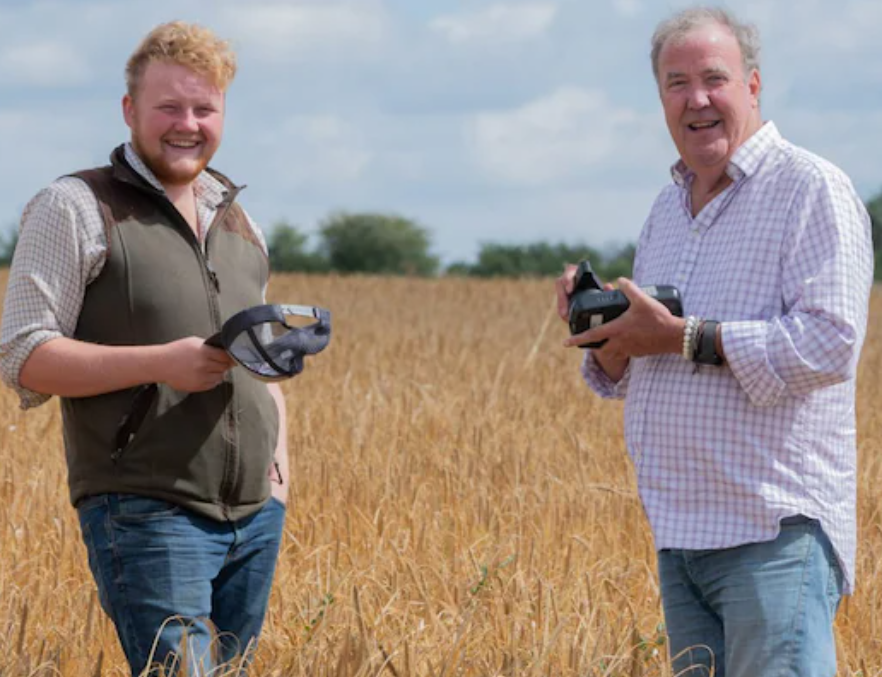
Changing How Viewers See Farming
Clarkson has repeatedly said he hopes the show helps the public understand why food prices are rising and just how punishing agricultural work can be. For many viewers, seeing a well-known figure endure real suffering, real stakes and real failure has resonated deeply. His struggles with animal care, unpredictable weather, endless paperwork and local regulations highlight how incredibly challenging it is to run a farm — even for someone with money, fame and access.
Farmers across the UK have praised the series for showing the public what their lives actually look like, calling it one of the most impactful portrayals of the industry ever broadcast. The show’s success lies not in perfect production, dramatic filters or scripted triumphs, but in Clarkson’s openness to being seen at his absolute worst: drenched, exhausted and overwhelmed.
Bureaucracy, too, plays a central role. Clarkson frequently finds himself battling rules that seem arbitrary or counterproductive — a frustration shared by many in the agricultural community. Through him, viewers glimpse a system that often feels designed to discourage the very people it needs to support.
The Imperfect Star Becomes Relatable
Clarkson’s journey on Clarkson’s Farm has also led to an unexpected shift in his public image. Known for his bluntness, controversial remarks and long history of ruffling feathers, he has never been a stranger to criticism. His past includes the infamous incident that forced him out of the BBC and widely condemned comments about public figures, including a sexist rant aimed at the Duchess of Sussex.
Yet, in a surprising twist, it is his willingness to confront his mistakes — and his on-screen exposure of genuine vulnerability — that has helped soften his public perception. His apology regarding his comments about Meghan Markle, in which he acknowledged having “completely messed up,” showed a rare moment of humility.
For a man who has been declared “cancelled” multiple times, the sight of Clarkson kneeling in mud, overcome with emotion and cradling a lifeless piglet, feels like the closing chapter of a long and turbulent redemption arc. Viewers are seeing a man stripped of bravado, stripped of the studio lights — someone real, flawed, and unexpectedly earnest.
A Show That Rebuilt a Reputation
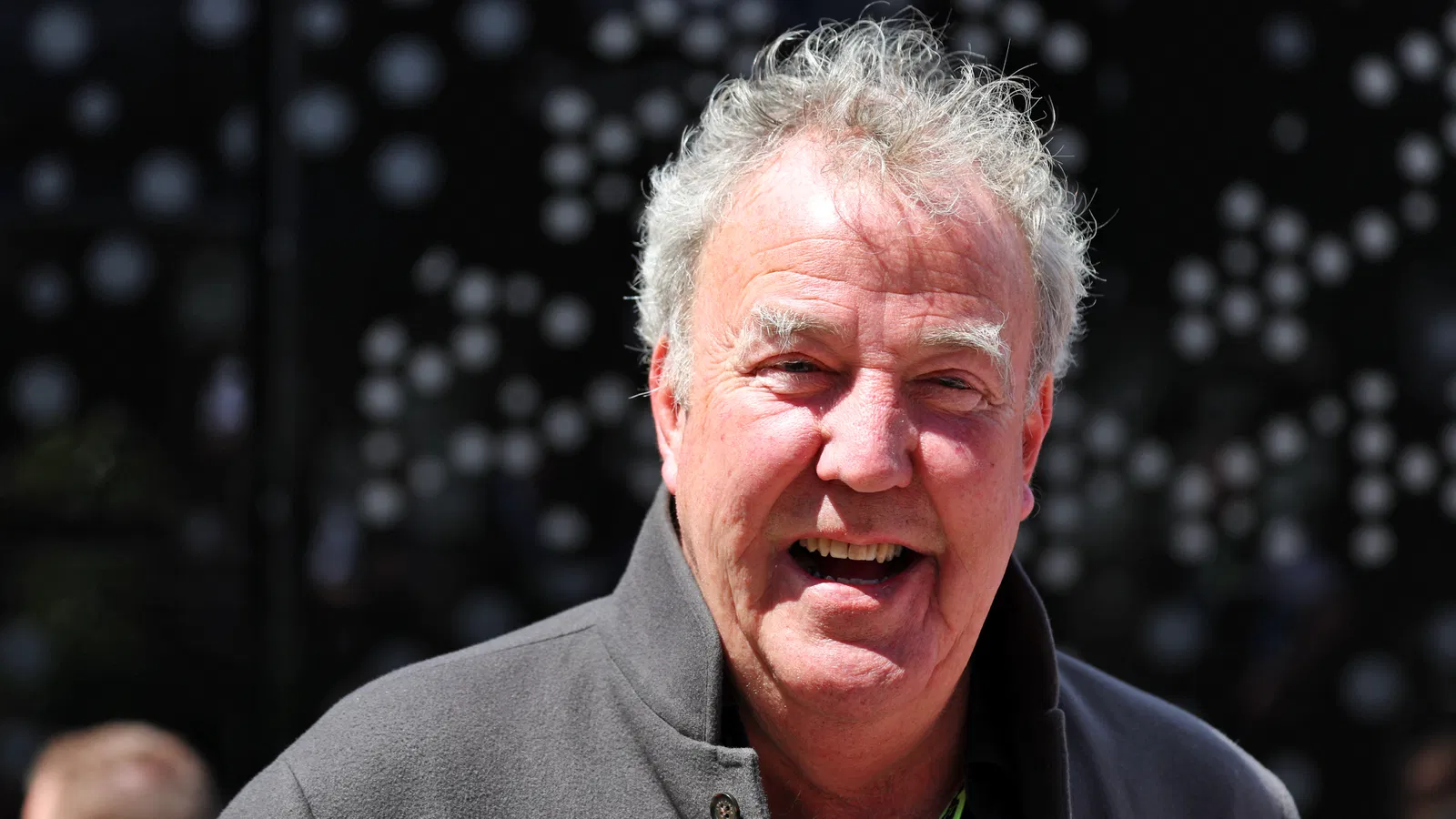
Ultimately, Clarkson’s Farm is more than just another celebrity reality series. It has become a cultural phenomenon, reframing the public conversation around farming and offering a surprising new lens through which to view a once-divisive television figure.
Clarkson may never escape his imperfections — nor does he pretend to. But his willingness to work, fail, and show the world the hardest parts of rural life has earned him something he hasn’t always had: genuine respect.
And in doing so, he may have pulled off his most unexpected accomplishment yet — he has helped Britain rediscover its farmers.