What Hidden Threat Is Parker Schnabel Worried Might Reshape the Entire Mining Industry?
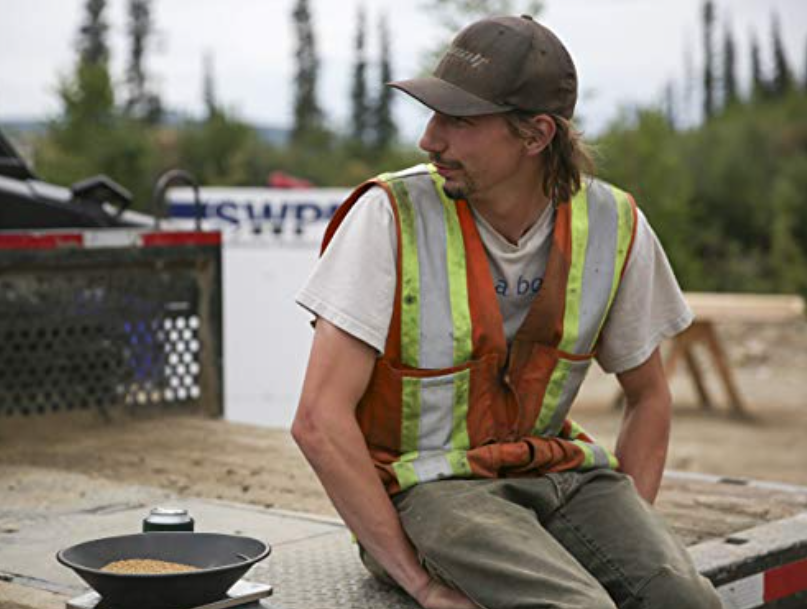
As Gold Rush prepares to launch its sixteenth season this November, long-time viewers will witness a turning point in the journey of Parker Schnabel—one of the most dominant and complex figures the show has ever produced. Since debuting in 2010, Gold Rush has evolved from a simple mining documentary into a high-stakes industrial saga, and few characters embody that transformation as deeply as Parker. But now, the young miner—who has spent nearly half his life on camera—reveals a level of uncertainty that raises major questions about the future of both his mining operation and the series itself.
From the vantage point of a Gold Rush analyst, Season 16 signals not just another round of competition, but a potential industry-wide shift that could redefine the future of placer mining in North America.
A New Season, A Higher Gamble
The new season kicks off November 7 with unprecedented goals. The collective target for the miners sits at a jaw-dropping $100 million in gold, the highest the series has ever attempted. This number isn’t just for TV drama—it reflects rising costs, unstable markets, and escalating competition for viable ground. With the rich gold fields of Canada and parts of Alaska still holding untapped reserves, the stakes have never been higher.
But Season 15 served as a harsh reminder that success in mining is never guaranteed. Parker Schnabel—who set a target of $15 million in gold last season—fell short due to frozen ground, equipment constraints, and operational delays. This failure is the emotional backbone of Season 16. And according to Parker himself, redemption won’t come easily.
Parker Schnabel’s $100,000-Per-Day Gamble
Ahead of the premiere, Parker revealed to TV Insider that he burned through over $100,000 per day this season. At that rate, a single week of delays could cost as much as a small mining company earns in an entire year. His new target? 10,000 ounces—a brutal benchmark that requires flawless execution.
From an analytical perspective, the scale of this spending suggests two things:
-
Parker is racing against time.
With ground becoming harder to access and permitting more unpredictable, this may be one of his last chances to push for a career-defining season. -
He is banking heavily on throughput efficiency.
The only way to justify daily costs of this magnitude is through maximum uptime—big machines, big crew, big fuel burn, big returns.
But as Parker admitted, achieving those production levels “took longer than we hoped,” hinting at slow ramp-ups, weather disruptions, and possibly mechanical setbacks. These early clues foreshadow a season packed with tension and heavy financial pressure.
Regulatory Uncertainty: Parker’s Greatest Fear
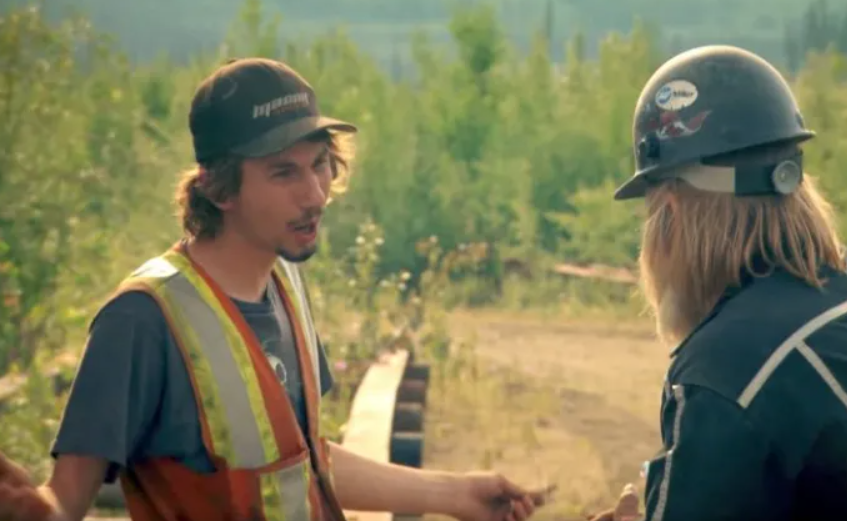
In one of his most candid interviews to date, Parker addressed the issue that keeps him up at night—not machinery, not competition, but government permitting.
According to him, the industry now faces:
-
Inconsistent regulatory decisions
-
Indiscriminate enforcement
-
Unclear long-term policies
-
Political unpredictability
For a miner spending millions before even moving dirt, this uncertainty is devastating. Parker’s statement—“Eventually this will put us out of business”—isn’t melodrama; it’s a blunt assessment of a sector squeezed between environmental scrutiny and bureaucratic gridlock.
As an analyst, this reveals a critical subplot for Season 16:
Gold Rush is no longer just about gold—it’s about survival in an increasingly regulated industry.
This tension will shape not only Parker’s storyline but the entire future direction of the series.
What This Means for Gold Rush Season 16
Based on insider patterns from past seasons and Parker’s own remarks, several predictions can be made:
1. Parker Will Take Bigger Risks Than Ever
His daily burn rate suggests massive infrastructure upgrades—potentially more wash plants, expanded crews, or the opening of multiple cuts simultaneously. Viewers may see him attempt aggressive stripping schedules or race the freeze with heavier night-shift operations.
2. Season 16 Will Highlight the Harsh Economics of Mining
With fuel, labor, and environmental compliance costs skyrocketing, margins are thinner than ever. Even finding gold may no longer be enough—miners must find it fast and in huge quantities.
3. Conflict With Permitting Agencies May Become a Central Theme
Last season teased bureaucratic tension. This season may put it front and center, possibly threatening access to key ground or delaying operations at pivotal moments.
4. Parker’s Long-Term Future Will Be Questioned
For the first time, Parker openly acknowledges the possibility that mining may not remain viable. This sets up a major emotional arc for the season:
-
Will he consider downsizing?
-
Will he invest in new territory?
-
Could Gold Rush viewers witness Parker shift roles—from miner to executive, consultant, or even full-time producer?
These questions may shape the narrative throughout Season 16.
A Miner Looking Back—and Ahead
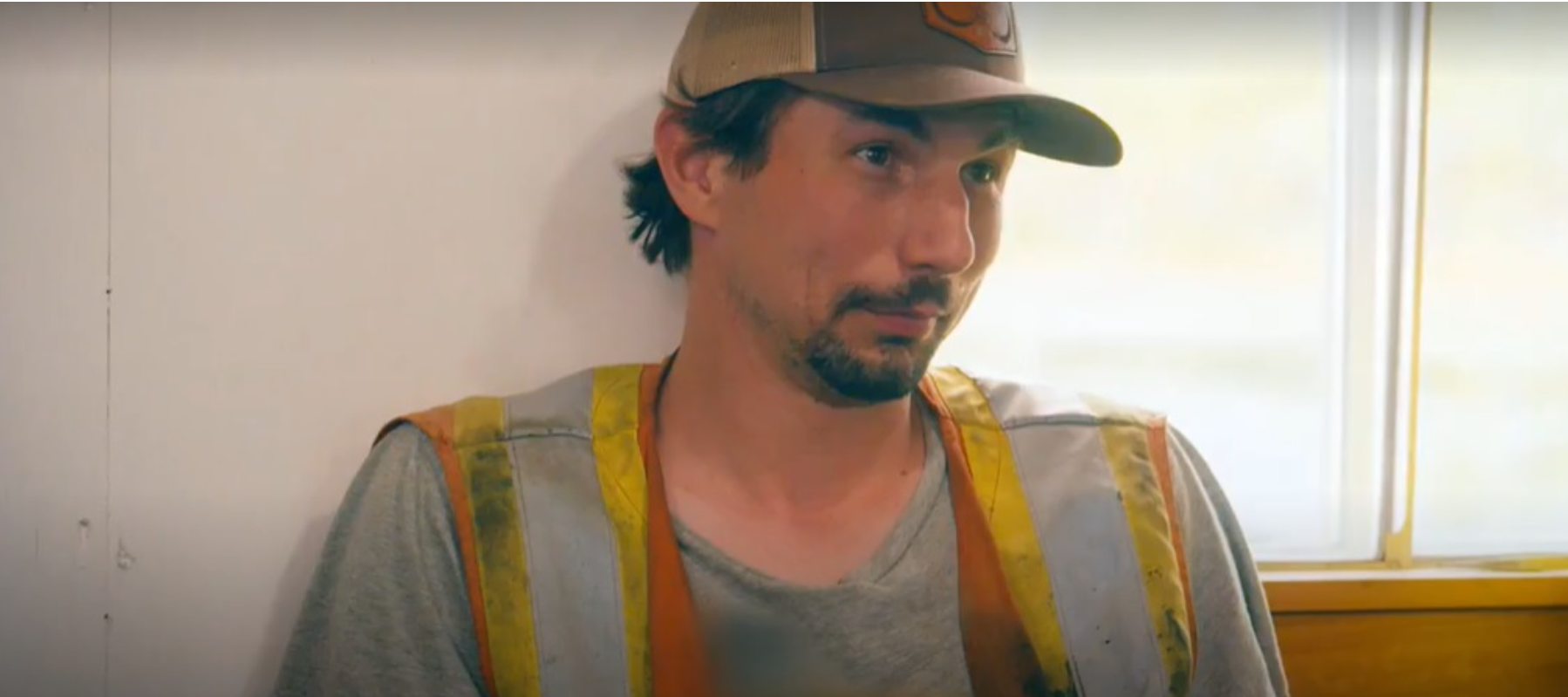
Despite the looming uncertainties, Parker remains grounded and grateful. Reflecting on nearly 15 years in mining, he says he has “no regrets,” describing the journey as “wonderful,” full of luck, challenges, and good people.
That statement reads almost like a farewell letter—but it also reflects emotional maturity and perspective gained through hard seasons.
Final Outlook: A Defining Season for Parker and the Franchise
From an analyst’s perspective, Season 16 may be one of the most important chapters in Gold Rush history. With escalating costs, unpredictable regulations, and massive gold targets, the show is shifting from mere adventure TV into a study of industrial resilience under pressure.
Parker Schnabel has carried the franchise for more than a decade. Season 16 may determine not just whether he succeeds this year—but whether mining remains his future at all.
Whatever happens, viewers are poised to witness one of the most high-stakes seasons the series has ever delivered.