Gold Rush S16 | Parker Makes a Costly Rookie Mistake
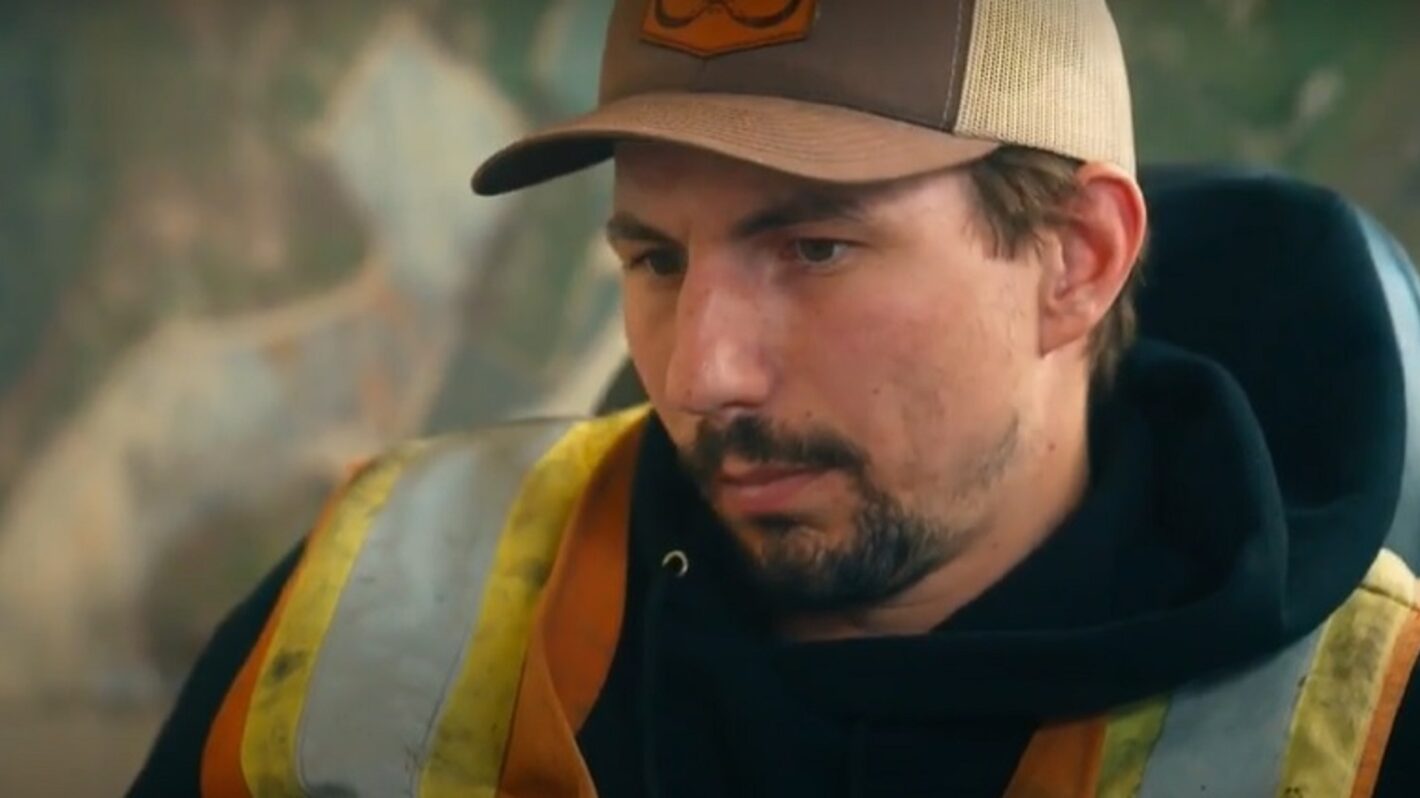
On the Klondike this season, every minute – and every ounce – counts. At just 24, mine boss Parker Schnabel has finally achieved what he’s dreamed of since his teenage years: mining his very own Klondike claim. But there’s a catch. With only one year left on his water license, Parker has just this season to strip and sluice as much gold as possible from his 115-acre property. Any mistake now doesn’t just cost time. It costs millions.
Yet in a rare misstep for the young mining prodigy, a simple oversight brings his entire operation to a grinding halt and exposes the brutal reality of trying to run a modern mine almost single-handedly.
One Man, Too Many Jobs
The day begins with Parker already behind. He’s “supposed to be in the cut,” overseeing production, but he’s also promised to meet bookkeeper Noah in the office. Payroll, paperwork, planning — all of it lands on his shoulders.
“Right now I’ve got payroll and some pressing other things we need to go over,” Noah tells him, while Parker glances at the clock, clearly torn.
Over the last eight years, Schnabel has grown from running a two-man Alaskan outfit to a 17-person Klondike crew with a multi-million-dollar turnover. But with scale comes pressure. His long-time foreman, Dean Tozack, walked away just a week ago, leaving a leadership vacuum at the worst possible time.
“Dean’s done. Bye, have a good day,” Parker had said at the time, trying to brush off the departure. But the consequences arrive quickly. With Dean gone, Parker is now not only the mine owner — he’s also the foreman.
“I know the operation better than anybody, so it makes sense for me to do it,” he says. In theory, it does. In practice, it proves far more complicated.
A Crew Waiting for a Plan
Down at the cluster cut, the crew is already feeling the absence of a dedicated foreman. Mechanic Mitch Blaschke keeps the heavy iron running. Loader operator Bree Harrison feeds pay through Big Red and clears waste rock. Excavator operator Brennan Ruault loads rich pay into Bree’s hopper.
But one thing is missing: instructions.
“Dean left us at the worst possible time,” Mitch admits. “The season’s already started off quite slowly, and now we’re a good two weeks behind. Parker said he’s going to be here first thing this morning and we still have no sign of him.”

Bree is juggling more than she should. She’s responsible for feeding the plant, watching fine tailings, and keeping the coarse tailings under control — tasks that normally require more than one set of eyes and hands.
“I’m running around with my head cut off,” she says, clearly stressed.
When Parker finally arrives on site, he sees the pressure but immediately gets distracted. Instead of jumping into the fuel truck or helping Bree manage Big Red, he grabs a gold pan and starts testing the freshly stripped ground behind the excavators.
“In years past I’ve always meant to do more panning in the floor behind the guys,” he explains. “Leaving any gold in the cut is a big no-no.”
It’s a good instinct for a miner — but the timing couldn’t be worse for a foreman.
Big Red Goes Silent
As Parker chases flakes in his pan, trouble quietly builds at the wash plant. Without fuel, there’s no water. Without water, there’s no sluicing.
On the plant deck, Bree suddenly notices the pre-wash overflowing with pay.
“The pre-wash was boiling over, so I shut everything off,” she radios. Seconds later the grim diagnosis comes from Mitch.
“No fuel. Bone dry.”
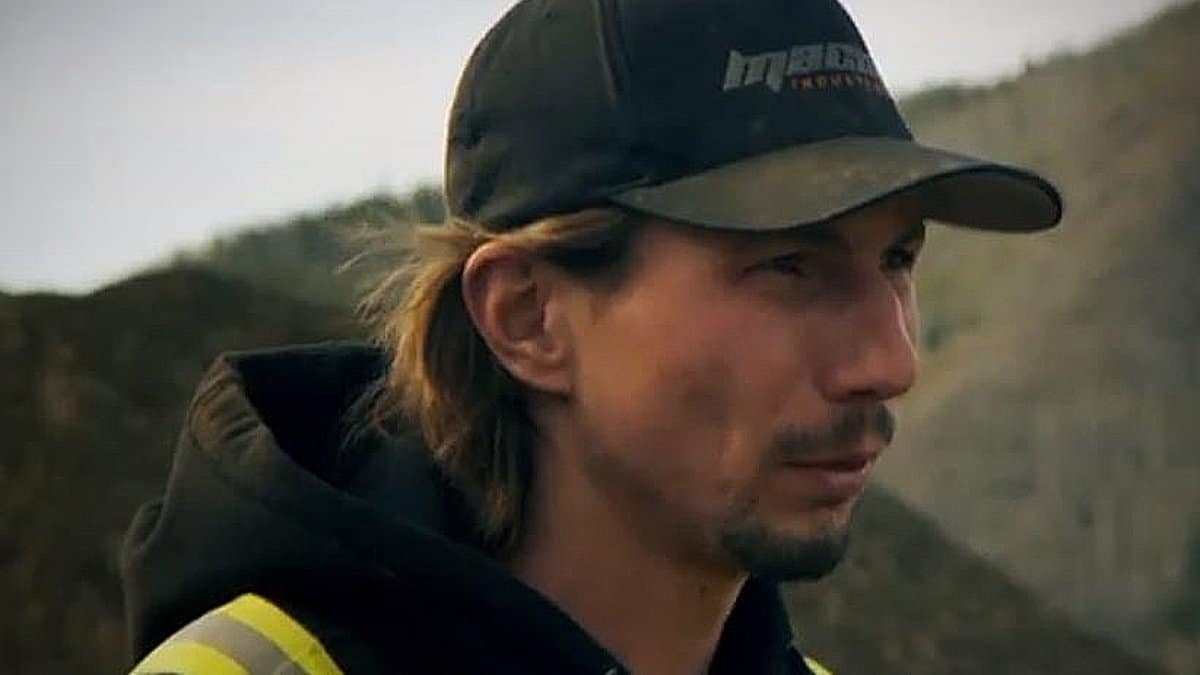
Parker had promised he’d take over the fueling duties. He didn’t. Big Red has run the pump tank dry.
“What’s the issue?” he asks, already knowing the answer.
“No fuel,” Mitch repeats.
It’s a rookie mistake — the kind of basic failure that gets greenhorns fired in the Klondike. With the plant down, no gold is being recovered. Schnabel estimates that every hour Big Red sits idle leaves roughly $2,000 worth of gold in the ground.
“I started panning and I get distracted by everything, so it’s totally on me,” he admits.
Rolling Up His Sleeves
With the crew watching, Parker does the only thing he can: he grabs a shovel. While the fuel truck finally tops off the pump, he climbs into the muck and starts hand-feeding pay into the pre-wash to clear the jam he helped create.
“Let me shovel in peace,” he mutters, half joking, half embarrassed.
On the radio, Mitch doesn’t let the lesson slide. “It’s a simple job that could have saved a lot of time,” he points out.
Bree is blunt about the stakes. “How many hours do we lose for something so simple?”
Parker doesn’t argue. “I haven’t dealt with maintaining an operation for a long time, so… there’s no excuse for it. People get fired for this kind of stuff,” he says.
Once water is flowing again and Big Red roars back to life, the relief is visible. But for Schnabel, the moment stings.
Growing Pains of a Young Mine Boss
The shutdown lays bare the fundamental tension of Parker’s Season 16 storyline. He is simultaneously trying to be owner, planner, foreman, and prospector — all while racing a ticking clock on his water license.
One of his crew members sums up the problem with a nickname: “Squirrel.” When something catches Parker’s eye, he’s gone — from office to cut, from plant to pan — jumping from task to task in a season where discipline may matter more than instinct.

“There’s a lot of little stuff that needs to get taken care of,” he reflects as operations resume. “When it doesn’t, this is what happens.”
For viewers, the “rookie mistake” is a rare glimpse of vulnerability from the usually razor-focused mine boss. For Parker Schnabel, it’s an expensive reminder that on a 115-acre Klondike claim with one year left on the clock, the smallest oversight can carry a very big price.