Guyana Becomes the Ultimate Test as the Crew Faces Its Toughest Challenge Yet
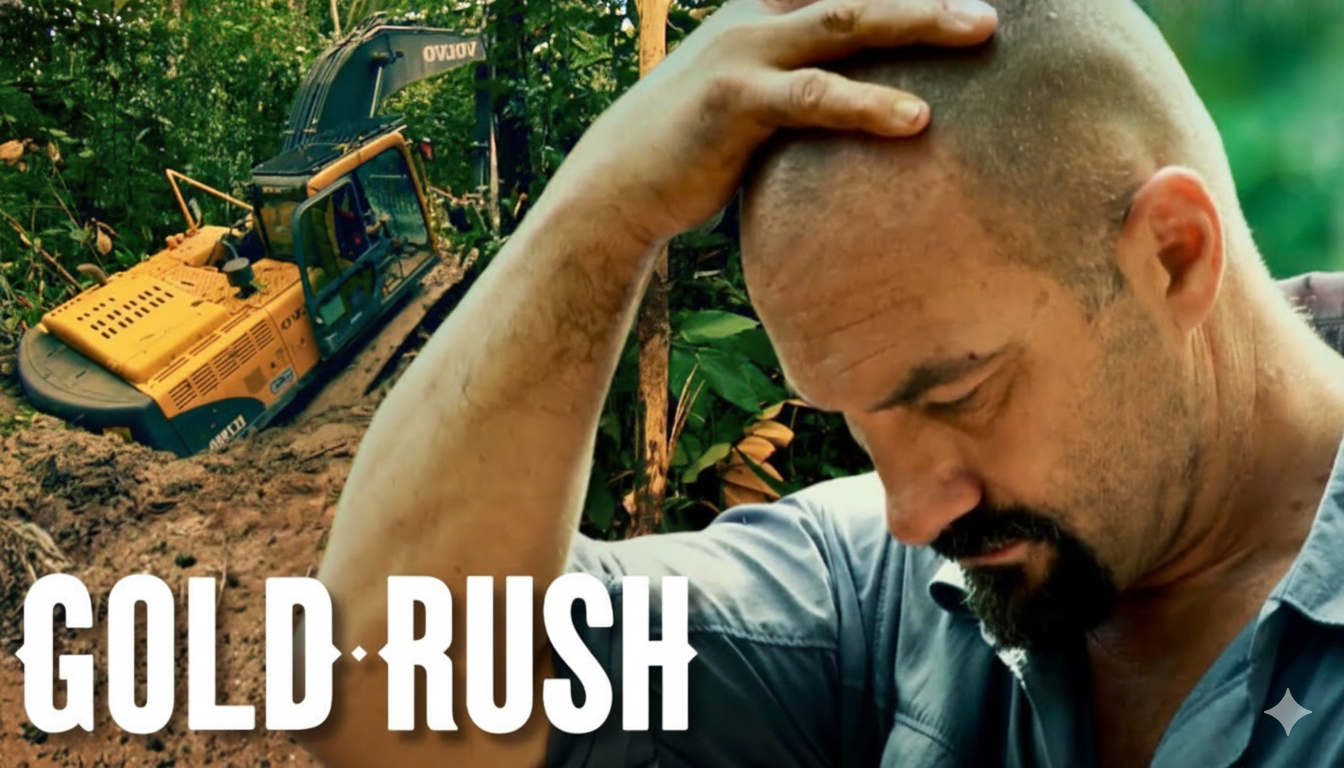
In the rainforest of Guyana, Gold Rush has rarely looked more unforgiving. What began as an ambitious push to unlock new ground quickly turned into a chain of mechanical failures, washed-out routes, and hard choices that left Todd Hoffman’s crew constantly reacting rather than mining.
Early in the shift, the problems were already stacking up. A sudden drop in water pressure brought work to a halt, only for the crew to realise the pump feeding the plant had caught fire after a fuel tank slipped and contacted an electrical lead. Repairs were called in immediately, but the interruption underscored a theme that followed them everywhere in the jungle: progress could be erased in minutes by one small break in the system.
Getting equipment and supplies to the right place proved just as difficult as keeping machinery running. Torrential rain tore through dirt roads, swallowing sand and timber “fixes” and stranding essential gear within sight of the wash plant. Even short journeys turned hazardous as trucks struggled for traction and machines sank deeper into mud with every attempt to move. In one setback, an excavator became trapped so badly that a second machine had to attempt a careful rescue — and even then, a hydraulic leak threatened to leave the stranded equipment immobile.
The terrain also complicated the crew’s broader strategy. Their expensive trommel sat idle for long stretches, not because it could not run, but because they could not reliably deliver pay dirt to it. The jungle’s steep banks, unstable ground, and repeated washouts made hauling material feel like a separate job entirely — one that consumed time, fuel, and morale.
As the season wore on, frustration inside the camp became harder to ignore. Crew members questioned decisions, criticised risk-taking in the field, and argued over whether the operation was being pushed in the right direction. Some of the sharpest tension came as the team experimented with a new plan centred on diamond recovery, using a lavador intended to catch gemstones from slurry. The concept offered hope, but execution proved messy: the lavador leaked from multiple joints almost immediately and required emergency patching. Later, the machine suffered severe damage when a log struck through it, breaking mounts and causing oil to leak — an incident that effectively ended that line of work on the spot.
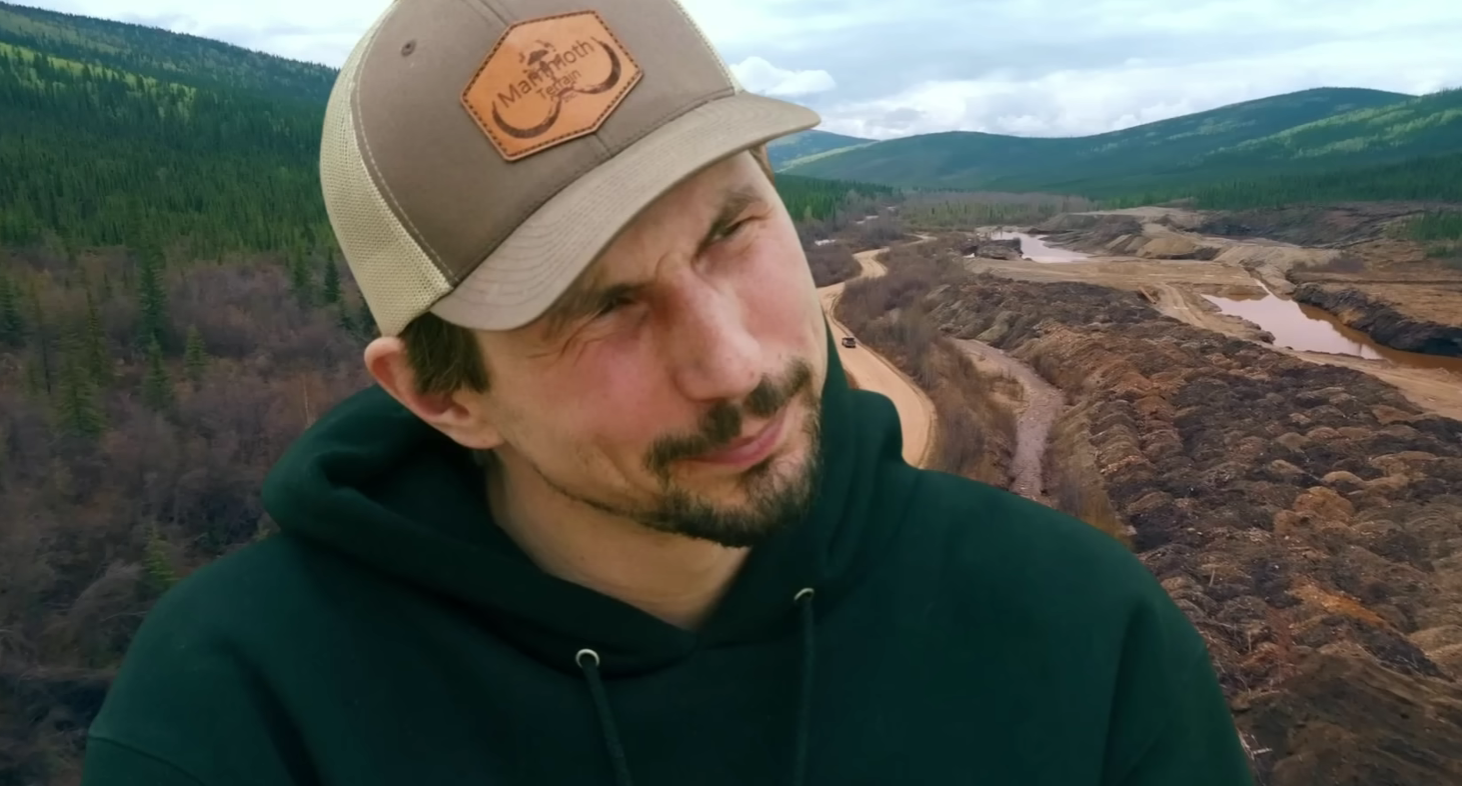
There were other costly moments, too. A filming sequence designed for the show’s title footage went wrong when a heavy excavator bucket struck a hexacopter drone, destroying it. The incident was not central to the mining operation, but it illustrated how little margin existed for error in a crowded, high-pressure worksite where cameras, machinery, and people operate in close quarters.
Meanwhile, the crew’s standing with their claim owner grew increasingly precarious. After weeks with little to show in gold, Hoffman faced a blunt warning: produce measurable results quickly or shut down and leave. A short deadline was set, placing pressure on an operation already struggling with logistics and reliability. Back at camp, the message landed hard. Some saw the terms as unrealistic. Others saw them as unavoidable given the lack of progress. Either way, the consequences were clear: without a breakthrough, the season would end early.
The jungle did not only test machines and planning — it tested safety and resilience. During a rush to retrieve parts needed for repairs, a crew member crashed his motorcycle and required medical attention, a reminder that speed and urgency carry their own consequences in remote terrain far from hospitals. The nearest serious medical care was described as a long distance away, amplifying the stakes of any injury and forcing the team to take incidents seriously, even as work pressures remained intense.
But one event shifted the tone beyond mining altogether. The crew learned that a local miner who had been helping them identify promising ground suffered a devastating personal loss when his wife died during a reported break-in at their camp. The news put the season’s frustrations into perspective. In quiet moments, the team acknowledged that the risks around them were not limited to weather, equipment, or deadlines — and that life in the jungle could carry dangers that no wash plant or dozer could solve.
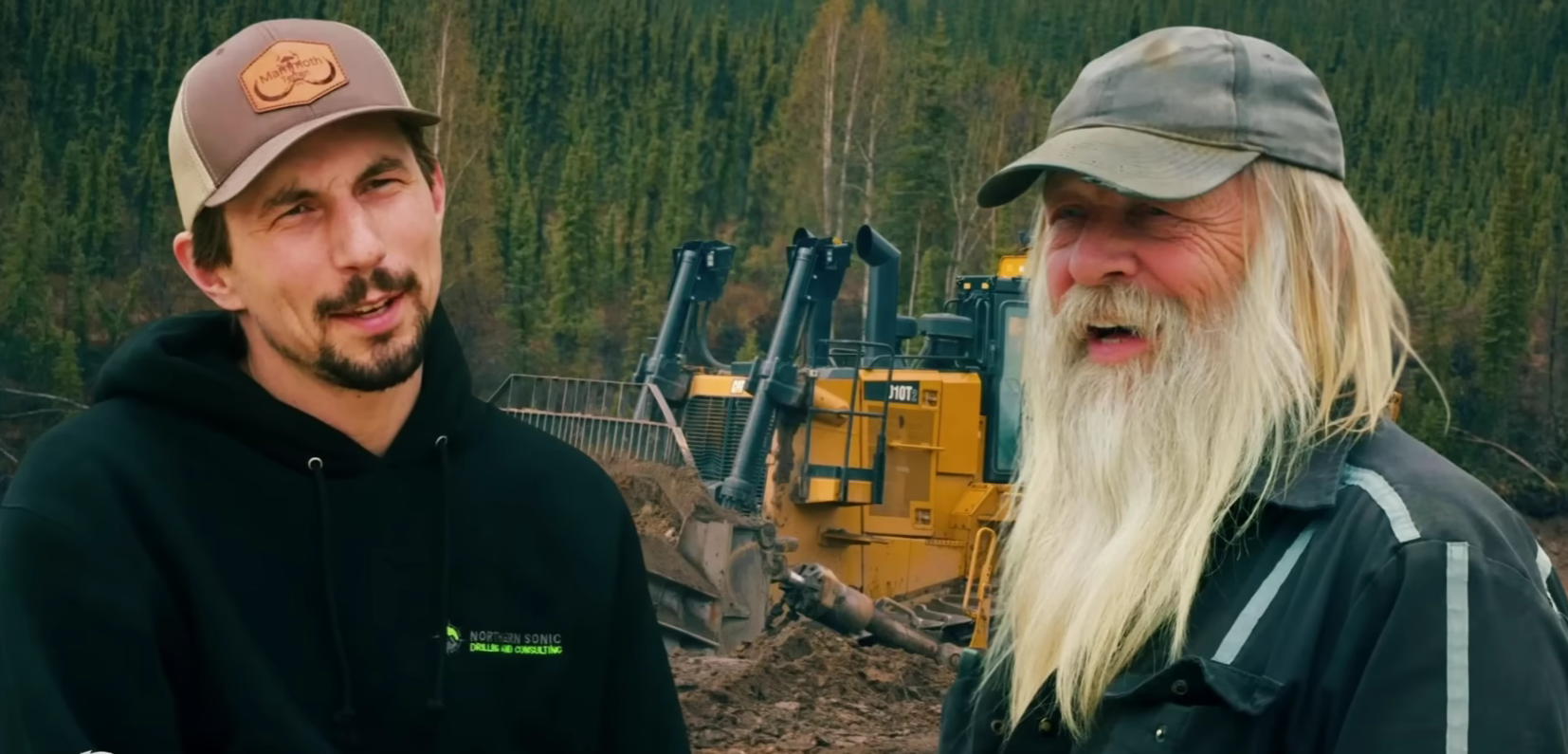
Through it all, the story of the Guyana season became less about a single clean-up total and more about survival through constant disruption. Roads collapsed, pumps failed, excavators sank, and plans changed repeatedly — from chasing gold to focusing on diamonds and back again. Progress, when it came, arrived in small pieces rather than sweeping victories.
For viewers, the episode’s power lies in how it exposes the hidden reality behind “new ground” optimism. In places like Guyana, mining is not just about finding pay — it is about keeping access open, keeping water moving, keeping machines functional, and keeping people safe long enough to give the ground a chance to prove itself. And as the Hoffman crew learned again and again, the jungle decides the pace, not the miners.