A Reluctant Promotion Tests Leadership at the Heart of Tony Beats’ Gold Rush Operation
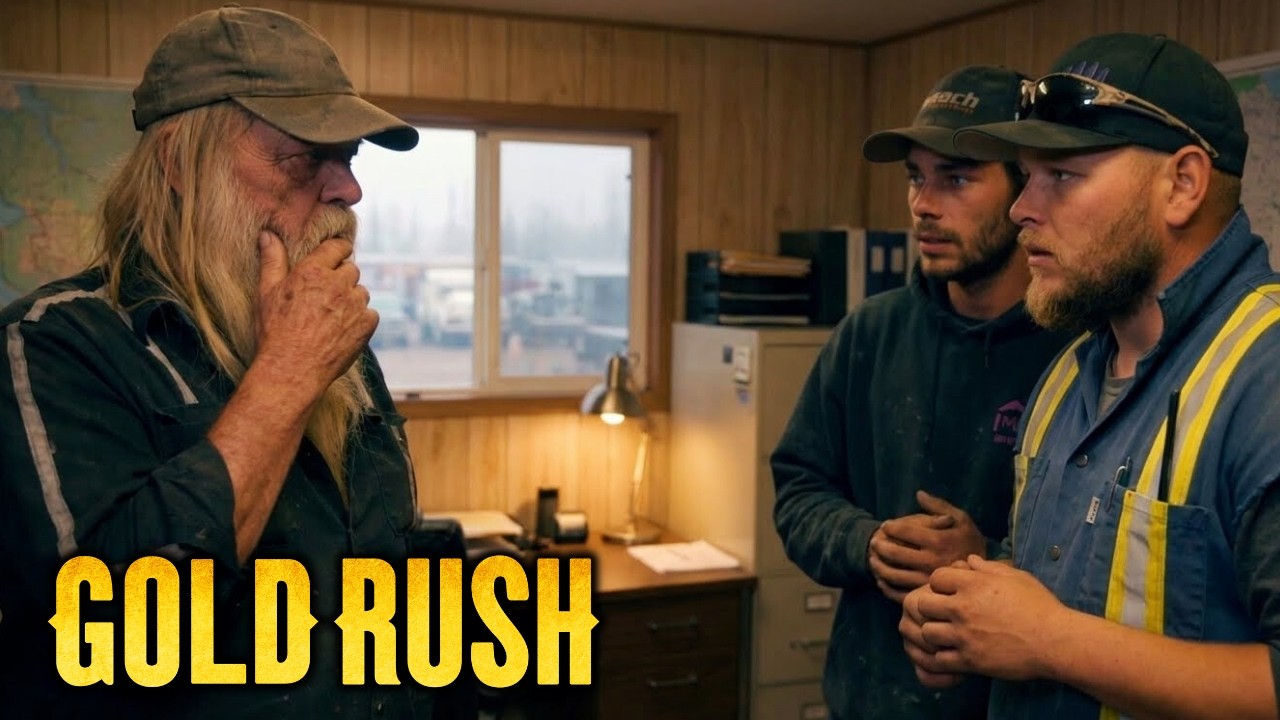
Tony Beats did not intend to name a new foreman this season. With gold prices rising and Indian River finally delivering strong returns, the plan was simple: maintain momentum, avoid disruption, and keep gold moving. After five weeks of mining, Beats had already recovered 775 ounces, placing him firmly on course toward an ambitious 6,500-ounce target. Indian River was not just productive ground—it was the economic core of his entire operation.
Then circumstances intervened.
When cousin Mike, Beats’ most dependable lieutenant, was forced to leave suddenly on an emergency trip to Europe, a leadership gap opened at the worst possible moment. Rather than launch a search for a replacement, Beats made a swift decision. Jacob Moore, still relatively new to the crew, was assigned the role of acting foreman with little warning and no ceremony.
There was no formal acknowledgment of the responsibility. No encouragement. Just a clear expectation: the gold had to keep coming out of the ground.
For Moore, the assignment felt less like a promotion and more like standing on the edge of a precipice. Being trusted—if that was what this was—carried weight. Every instruction from Beats felt like a test, every decision another opportunity to prove he belonged at Indian River. Beats made it clear this was not a passing of authority, but a temporary obligation. Expectations remained uncompromisingly high.
The first challenge arrived quickly at the Early Bird cut. Spring meltwater had flooded the area, turning workable ground into a muddy basin. Without clearing the water, mining could not continue. Beats’ directive was brief and direct: install a submersible pump and drain the cut quickly.
What appeared straightforward proved anything but. The crew struggled with worn and rusted equipment. Broken clips, mismatched connections, and repeated mechanical issues slowed progress. Moore approached the task methodically, addressing problems as they arose, but time continued to slip away.

From Beats’ perspective, the delay was unacceptable.
Frustration surfaced visibly. Beats stepped in, taking physical control of the operation. Pipes were dragged into position, equipment connected with speed, and the pump activated. Water finally began draining from the cut, but the lesson had already been delivered. Beats made his expectations clear: simple tasks must be handled quickly, because delays translate directly into lost revenue.
The reminder was blunt and familiar to anyone who has worked under Beats’ leadership. Everyone is replaceable.
For Moore, it was a sobering moment. The message was not personal, but it was unmistakable. He was not there yet—not in Beats’ eyes. Still, with Mike absent, Beats had no alternative but to keep Moore in the role. The wash plant needed to operate continuously, day and night, and Moore now carried the responsibility of keeping it running.
The pressure intensified when a new problem emerged at the core of the operation. The wash plant began producing an unusual sound—subtle, but concerning. Moore recognised it as a warning sign. Despite knowing that halting production carries its own risks, he made the decision to shut the plant down and investigate.
What he discovered justified the call.
Inside the shaker deck, a cracked frame had developed as bolts worked loose over time. A chute had been repeatedly striking the structure, weakening it with every impact. Left unchecked, the damage could have escalated into a major failure capable of shutting the operation down entirely.
Moore acted without hesitation. He organised the crew, welding cracks, replacing damaged components, and securing the chute properly. The shaker deck—one of the wash plant’s most critical systems—was stabilised before irreversible damage occurred. After hours of concentrated work, the plant was restarted and gold production resumed with only limited downtime.
When Beats checked in, Moore delivered the update himself. The issue had been identified, addressed, and resolved.
This time, the response was different.
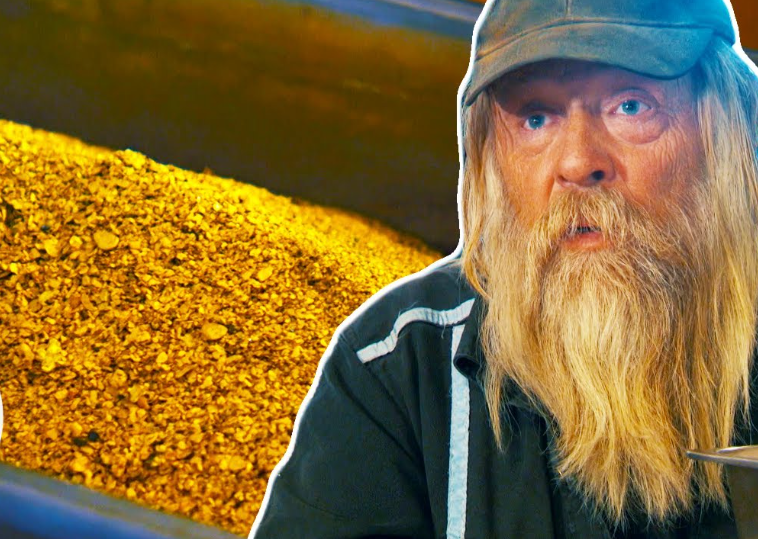
Beats understood how close the operation had come to a serious setback. He recognised that Moore had noticed the problem early and acted decisively. Awareness, particularly when it prevents larger failures, carries weight in Beats’ operation. For the first time, Moore earned genuine respect.
Moore’s role as acting foreman remains temporary, but the test has been real. He has faced criticism, absorbed difficult lessons, and learned firsthand what Beats demands from those in leadership positions. More importantly, he has demonstrated that under pressure, he can make sound decisions when it matters most.
With gold prices continuing to drive intensity across the Klondike and key personnel still absent, Moore has proven capable of holding the line—at least long enough to keep the season on track.
At its core, this storyline is less about machinery and more about leadership. It underscores a reality common in demanding environments: responsibility is not comfort, and trust is not granted lightly. It is built through action, awareness, and resilience when outcomes matter.
For Jacob Moore, the lesson is clear. Opportunity does not arrive gently. It arrives as a test.