Metal in the Water, Roads in the Swamp: The Season 13 Episode 6 That Connected Oak Island’s Biggest Mysteries
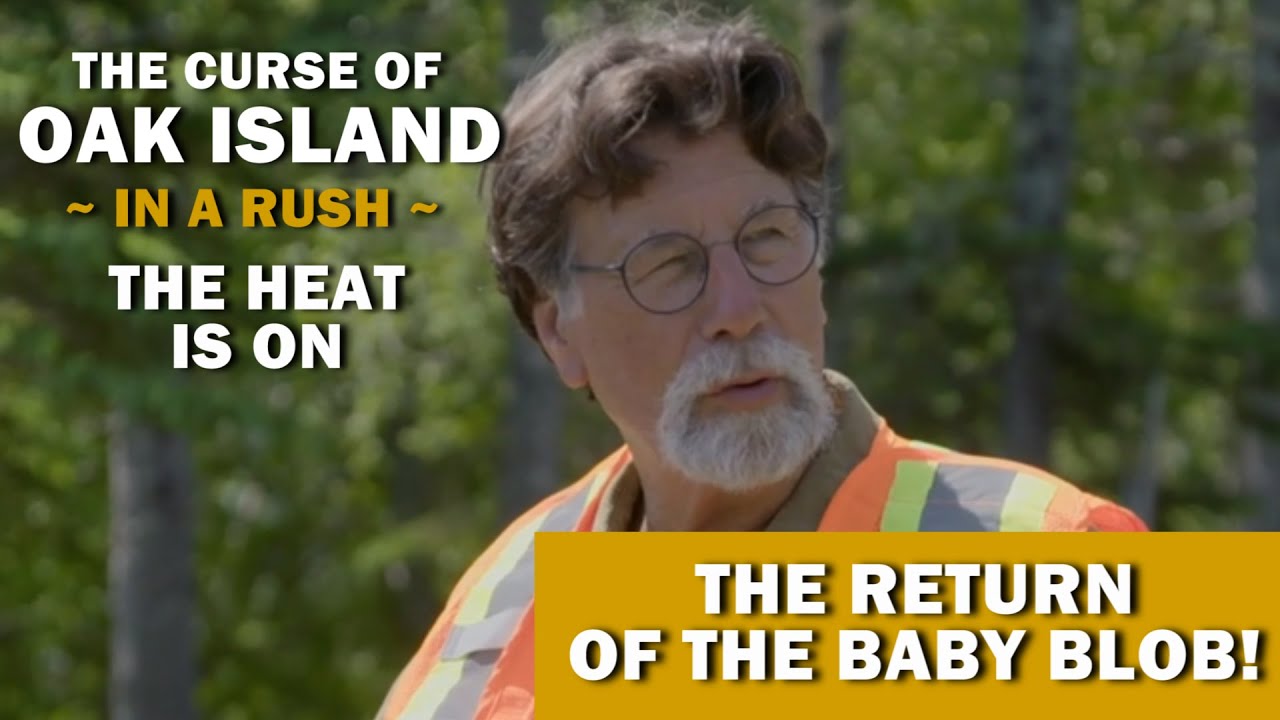
Episode 6 of Season 13 of The Curse of Oak Island delivered one of the most methodically encouraging chapters in recent memory, blending archaeology, geology, and data-driven science in a way that brought renewed optimism to the long-running search. Rather than relying on a single headline find, the episode built momentum through multiple interconnected discoveries that collectively suggest the team may be closer than ever to understanding how Oak Island truly functions.
The episode opened with renewed focus on the Money Pit solution channel—an underground pathway believed to move water and, potentially, precious metals beneath the island. Water samples taken from boreholes continued to show elevated metal traces, a result that geoscientist Ian Spooner stressed were inconsistent with natural background levels. While no visible gold was recovered during sampling, the team acknowledged that microscopic particles would not register on detectors and could instead be revealed through laboratory analysis.
This scientific patience set the tone for the episode. Rather than chasing immediate visual confirmation, the team leaned into process, understanding that soil chemistry and water movement may offer clearer answers than chance recoveries.
Attention then shifted to the war room, where a new artifact heat map fundamentally reframed the investigation. Compiled by Emma Culligan, Steve Guptill, and Jillian, the map plotted every significant artifact discovered across the island, revealing dense concentrations of material dating back well before the late 18th century. Among the most striking clusters was Lot 15, located roughly 200 yards from the Money Pit.
Artifacts associated with Lot 15 span centuries: Roman coins believed to be nearly 2,000 years old, a 14th-century Portuguese silver coin, burnt charcoal dated to the 1300s, and stone shot linked to the Azores. Despite this concentration, the area had received comparatively limited exploration. The heat map reframed Lot 15 not as a peripheral zone, but as a potentially central piece of the island’s story.

That theory was quickly put to the test in the field. Gary Drayton, alongside Rick Lagina and Steve Guptill, employed agricultural-style plowing to bring deeper material closer to the surface. The results were immediate. Coal fragments appeared in a context that suggested purposeful transport, possibly tied to known stone road features elsewhere on the island.
Soon after, a rose-head spike was recovered—an artifact type hand-forged as early as the 1500s and frequently associated with early construction. A pintle hinge followed, an object that could have supported doors or lamps, raising questions about nearby structures. Each find reinforced the notion that Lot 15 was not a random activity zone, but part of an organized operation.
Meanwhile, the investigation expanded in the Oak Island swamp, long considered one of the island’s most enigmatic features. With new permits secured, Rick Lagina, Steve Guptill, Billy Gerhardt, and Gary Drayton focused on a previously untouched section in the southwest corner. Almost immediately, a suspicious alignment of stones emerged, bearing strong resemblance to the Portuguese stone road discovered elsewhere in the swamp.
Geological assessment confirmed the significance. Dr. Spooner identified the structure as “open work,” meaning the stones were intentionally placed rather than naturally deposited. The discovery gained further weight when an ox shoe—distinct from known French or English designs—was found nearby, suggesting the use of draft animals to move heavy loads through the swamp.
Back at the Money Pit, science once again took centre stage. Dr. Spooner returned to water sampling, this time tracking dye introduced in earlier experiments. The appearance of dye in newly collected samples confirmed underground connectivity, showing water moving from south to north beneath the island. The implication was substantial: the solution channel appears to link multiple zones, potentially explaining how metals detected in one area may originate from another.
When the team regrouped in the war room, the results crystallized into a clearer working model. Marty Lagina described the system as resembling a “giant plunger,” capable of pushing water—and metals—upward through interconnected channels. This reinforced the long-held theory that valuable material may have fallen from above into the solution channel, later migrating to detectable locations.
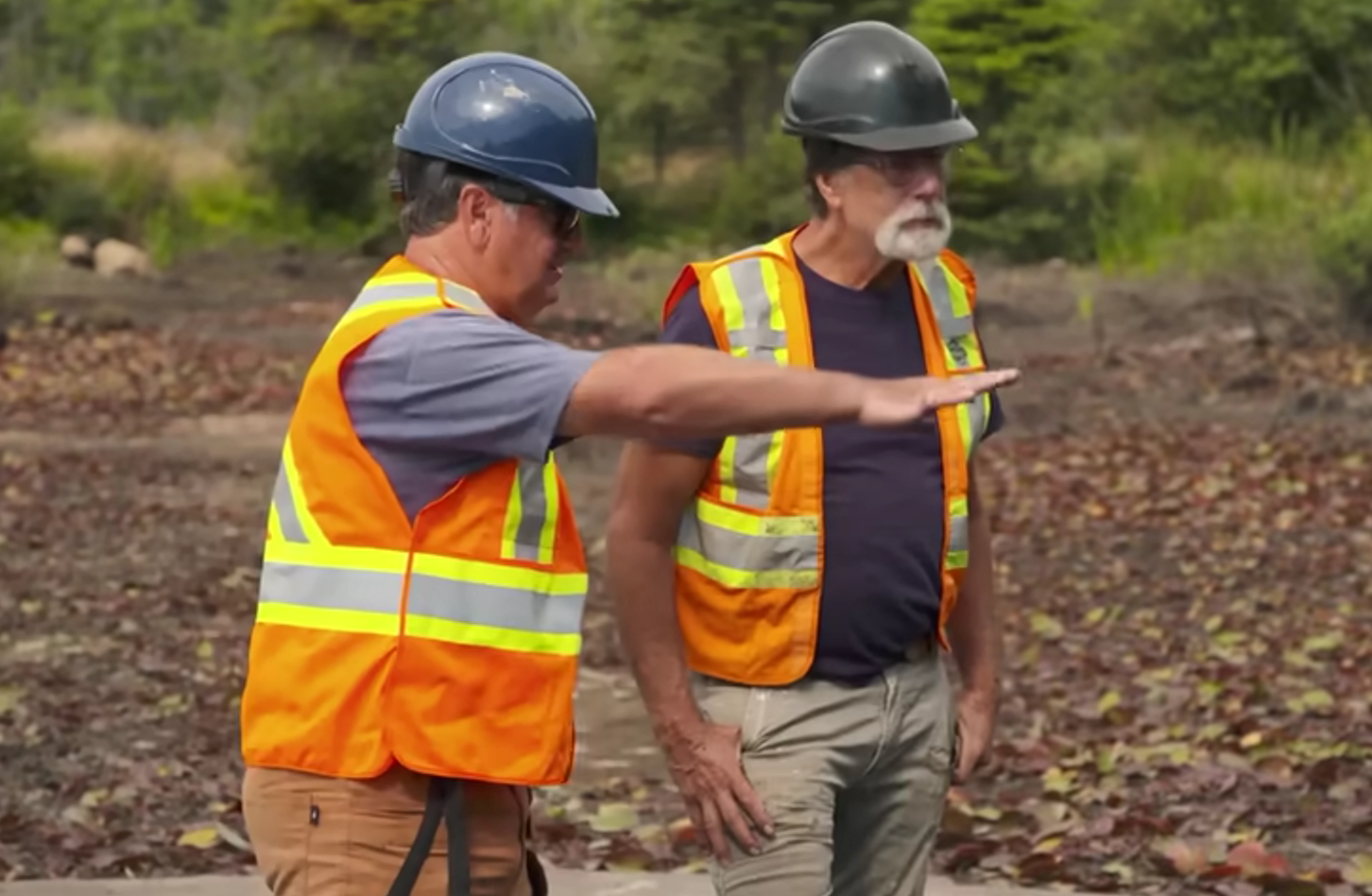
Taken together, Episode 6 did not claim final answers. Instead, it offered something arguably more important: alignment. Archaeological finds, geological structures, and hydrological data are no longer pointing in separate directions. They are beginning to describe a coherent system—one that suggests deliberate planning, long-term activity, and purposeful movement across Oak Island.
For viewers, the significance lies not in any single artifact, but in convergence. Lot 15, the swamp roads, and the Money Pit are increasingly difficult to treat as isolated mysteries. The evidence now suggests they are components of a larger, integrated operation.
As the season progresses, the implications are clear. Future work is likely to intensify around these connected zones, with science guiding excavation rather than speculation. While the ultimate answer remains elusive, Episode 6 demonstrated that the Oak Island mystery is no longer just being chased—it is being understood, layer by layer, system by system.
For the team and its audience, that shift may prove to be the most meaningful discovery of all.