Parker Schnabel Upgrades Giant Machine and is Ready to Dominate Gold Rush Season 16!
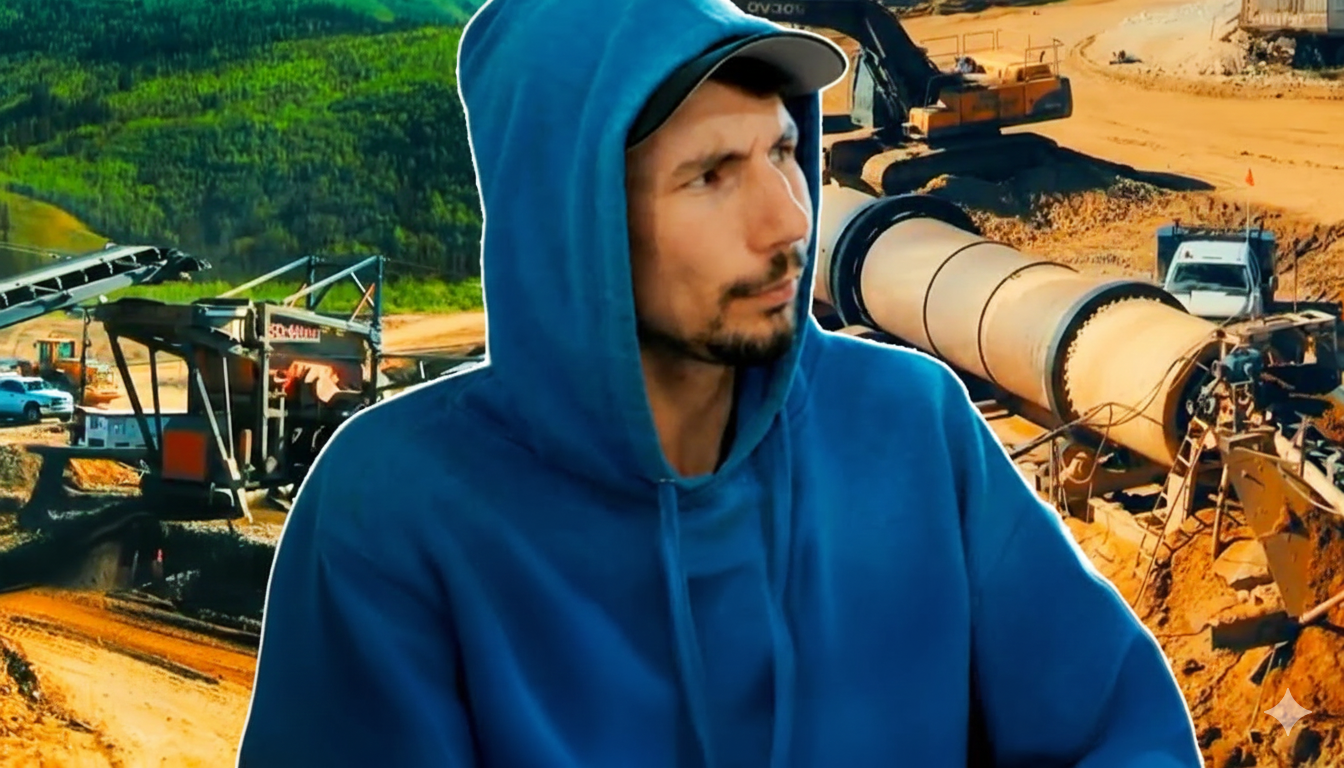
As Gold Rush moves into its sixteenth season, one thing has become increasingly clear: the show is no longer just about finding gold. It is about managing scale. No miner embodies that shift more clearly than Parker Schnabel, whose Season 16 operation reflects a level of industrial planning rarely seen in the series’ early years.
At the centre of Parker’s strategy is efficiency under pressure. With a short Yukon mining window and vast new ground at Dominion Creek, his approach has been to remove as many variables as possible before they become problems. That philosophy is visible everywhere—from the machines he deploys to the parts he stockpiles and the systems he builds to keep production moving even when conditions turn against him.
One of the most significant upgrades this season is Parker’s investment in water infrastructure. Three new high-capacity pumps, each capable of moving up to 7,600 gallons per minute, were added to an already extensive network of more than 20 pumps spread across multiple sites. The cost is substantial, but the reasoning is simple: without water, nothing else functions. Wash plants stop, cuts flood, and time slips away.
Parker has long been clear on this point. In the Yukon, waiting for replacement equipment is rarely an option. Supply lines are long, weather is unpredictable, and even a minor failure can lead to days or weeks of lost production. That is why his workshop now resembles a warehouse more than a repair bay, with shelves stacked floor to ceiling with spare hoses, bearings, sensors, and components that many operators would consider excessive.
From an analytical standpoint, this is not waste—it is insurance. Parker’s calculation is straightforward: if a small part has a chance of failing and causing extended downtime, it is cheaper to have it on hand than to wait. This mindset has gradually separated his operation from smaller, more reactive crews seen elsewhere on the show.
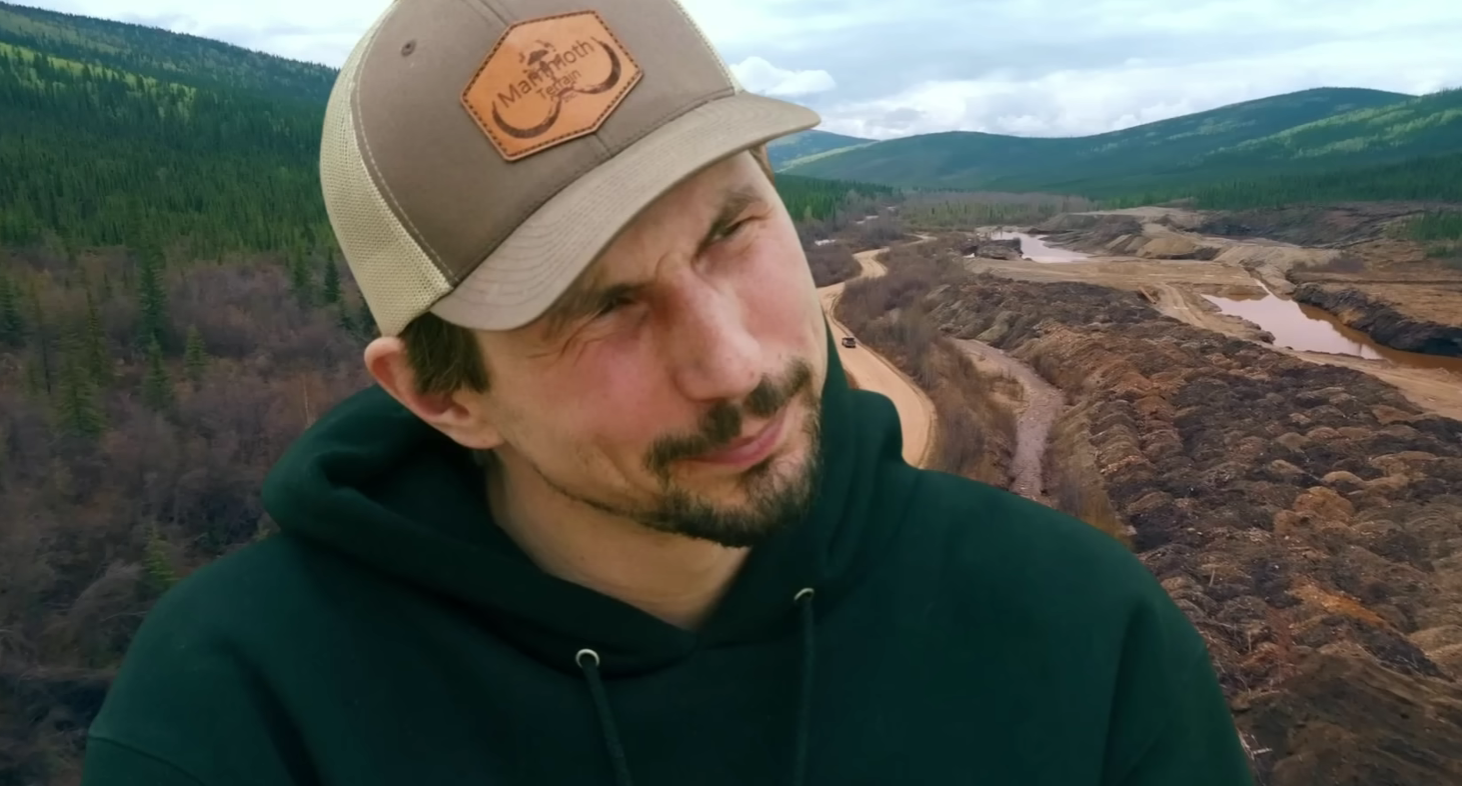
The scale of Parker’s machinery reinforces that point. His fleet now includes dozens of excavators ranging from agile 30-ton units to massive 100-ton machines designed for rapid overburden removal. These feed a coordinated network of rock trucks running around the clock, supported by bulldozers, loaders, screeners, fuel trucks, and service rigs. The operation functions less like a traditional placer mine and more like a self-contained industrial site.
Yet even with this level of preparation, Season 16 has not unfolded smoothly. Dominion Creek, while vast, has proven difficult. Early work revealed frozen cuts that were not ready for processing, forcing the crew to excavate a drainage ditch stretching thousands of feet simply to allow the ground to thaw. That delay alone cost valuable time.
Mechanical setbacks followed. A key excavator required repairs costing tens of thousands of dollars, and early gold returns were modest by Parker’s standards. Weekly totals that would be acceptable for smaller crews fell short of what such a large operation requires to stay on pace.
These early results have prompted visible reassessment. Rather than pushing blindly forward, Parker has leaned further into system testing—bringing online a wider wash plant with increased sluice run width to process more material per hour. The decision came late in the season, a point at which untested equipment often raises concerns. But here again, the logic was consistent with Parker’s broader approach: if throughput can be increased without adding labour or machines, it may recover time already lost.
What distinguishes Parker is that these decisions are rarely impulsive. They are grounded in long-term thinking. Dominion Creek is not a single-season project. Its 7,500 acres represent years of potential work, and Parker’s investments reflect that horizon. This is also why he has expanded his exploration capability, using specialised vehicles capable of accessing terrain that would otherwise remain unreachable.
Away from the machines, Parker’s personal choices offer an interesting contrast. Despite overseeing one of the largest private mining operations ever featured on Gold Rush, his lifestyle remains notably restrained. He has spoken openly about avoiding luxury purchases, choosing instead to reinvest earnings back into the operation or into shared experiences with family and crew.
From a leadership perspective, this matters. Crew loyalty on Parker’s sites has long been a defining strength. Regular trips, shared downtime, and meaningful recognition build cohesion that pays dividends when conditions become difficult. In an environment where mistakes are costly and pressure is constant, trust becomes as valuable as equipment.
This balance between restraint and ambition defines Parker’s Season 16 trajectory. He is pushing further than ever before, but doing so with systems designed to absorb setbacks rather than collapse under them. The early challenges at Dominion Creek do not suggest failure; they suggest calibration.
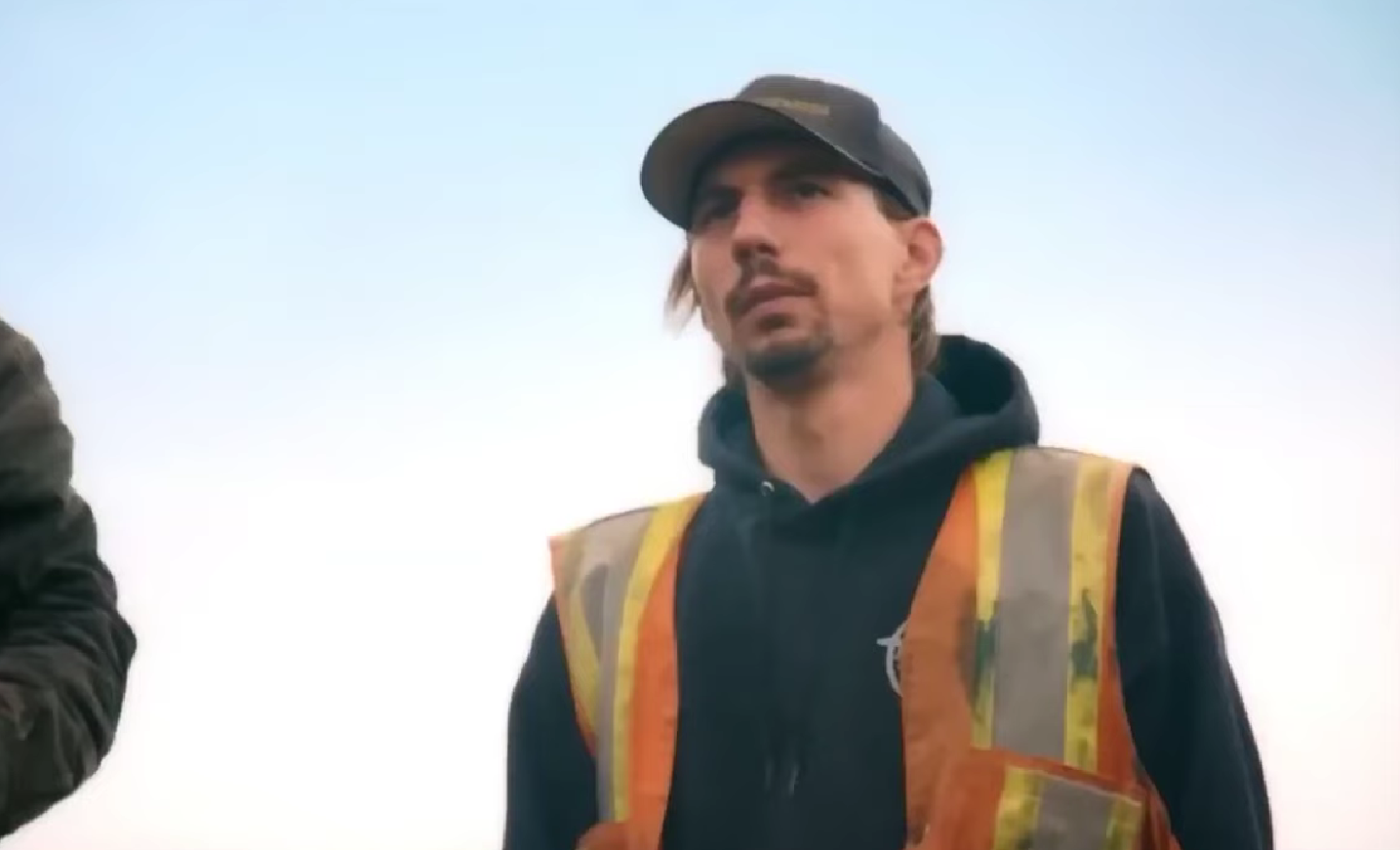
Looking ahead, the likely outcome of this season will not hinge on a single discovery or weigh-in. It will depend on whether Parker’s infrastructure can convert scale into consistency. If the pumps hold, the plants run reliably, and the frozen ground finally opens up, the operation is positioned to accelerate quickly.
More broadly, Parker’s approach illustrates how Gold Rush itself has evolved. The series now documents not just mining, but logistics, capital allocation, and risk management at an industrial level. In that context, Parker Schnabel is no longer just a miner chasing ounces—he is building a durable operation designed to function year after year.
Season 16 may test every element of that design. But if there is gold left in the ground at Dominion Creek, the systems Parker has assembled are built to reach it—and to keep running long after smaller operations would be forced to stop.