Parker Schnabel’s Risky Play Before His Water License Expired. Hidden Gold or Costly Mistake?
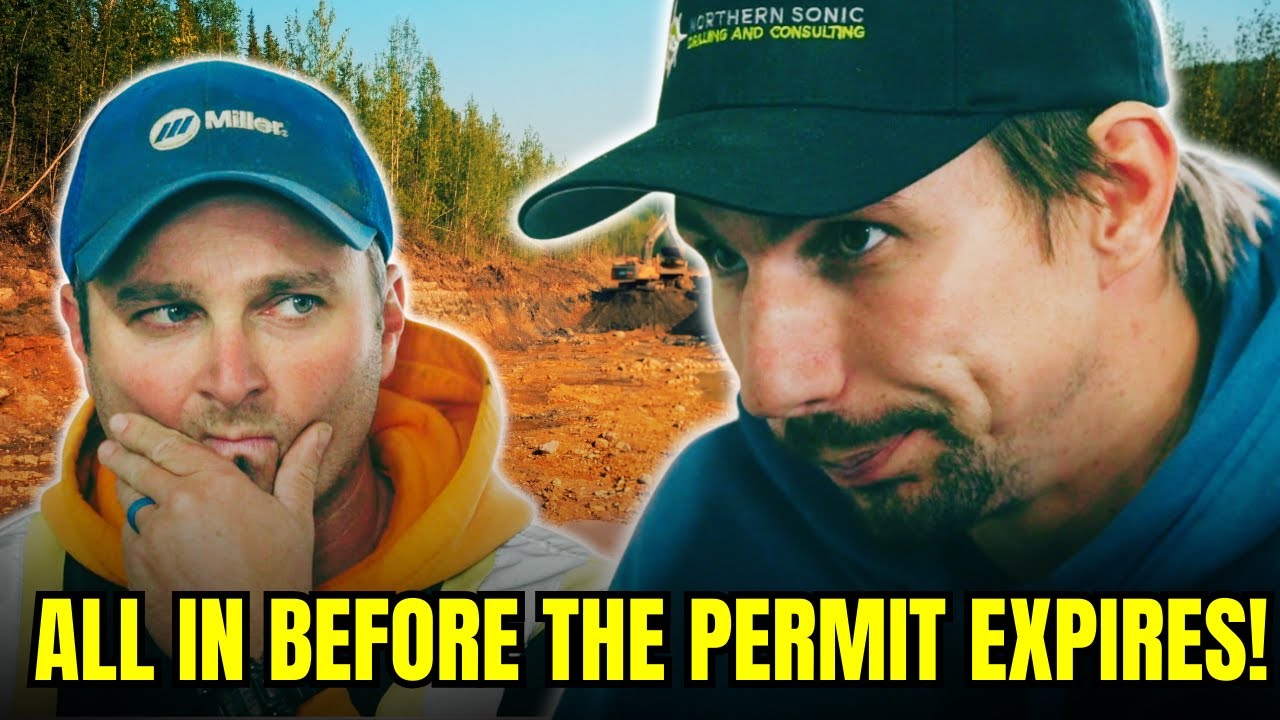
As Gold Rush enters its 16th season, Episode 8, titled No Off Days, offers viewers a rare glimpse into the immense pressure and strategic decision-making that define Parker Schnabel’s Yukon gold empire. While the series has long captivated audiences with massive gold hauls and high-octane machinery failures, this episode stands out for its blend of operational intensity and personal reflection, showing the stakes behind every ounce extracted.
Six weeks into the season, Parker faced a critical crossroads. His ambitious goal—10,000 ounces of gold—was within reach, but only just. Across his sprawling operations, progress was mixed. At Dominion Creek, Tyson Lee had already produced over 1,500 ounces, keeping that claim on track. Meanwhile, at Sulfur Creek, Mitch Blash had steadily built momentum, producing consistent weekly gold, signaling untapped potential in old, previously mined ground. But with the water license ticking down, the window for action was shrinking rapidly. For Parker, every decision carried immediate financial, operational, and regulatory consequences.
The episode opens with Parker surveying his claims and weighing competing priorities. Dominion Creek offered reliability, while Sulfur Creek presented opportunity—yet risk. With the stripping crew stretched thin, Parker faced the classic miner’s dilemma: allocate resources to secure a sure outcome or take a chance on potentially greater returns. The tension is palpable, as Parker balances operational logistics, crew morale, and his overarching season goal.
A breakthrough arrives when the crew at Sulfur Creek discovers a previously untested section of ground. A casual pan yields dozens of bright, visible pieces of gold—a moment every miner dreams of. The find validates Parker’s instinct that the old dredge had left significant pay behind, confirming that the vein likely continued toward the road. The discovery forces a pivotal choice: expand the cut to capture the remaining gold before the water license expires or risk leaving ounces in the ground.
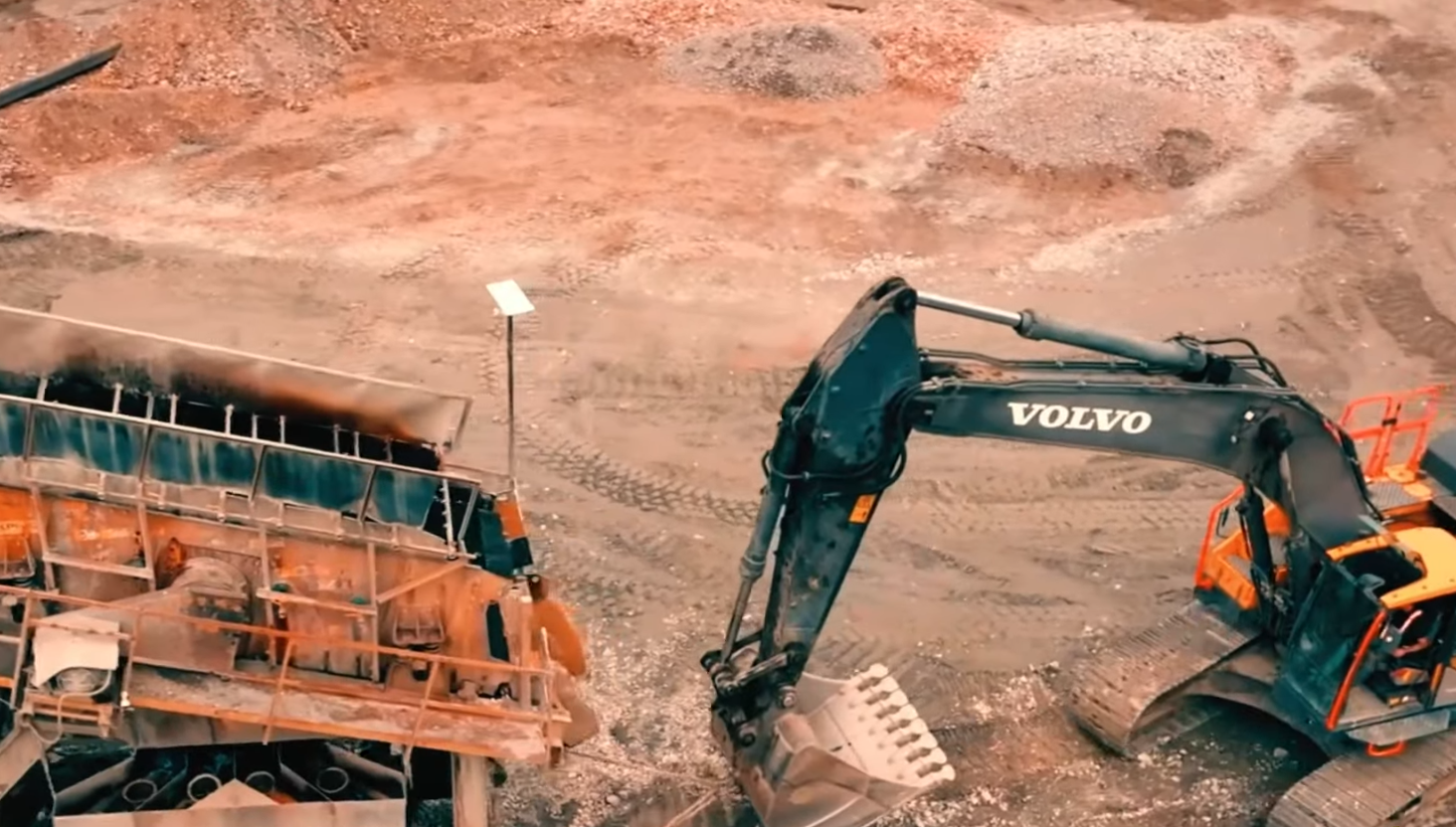
Parker opts for bold action, ordering an expansion of the cut by two acres. The decision immediately increases operational pressure: extra trucks, additional excavators, and around-the-clock work to keep the wash plant fed. The stakes are high, with every hour offline potentially costing thousands of dollars. Disaster strikes when an excavator fails, triggering a tense pause in operations. Mechanic Taylor Matea’s swift diagnosis and repair prevent the setback from escalating, allowing the crew to resume the relentless pace.
The episode offers more than just mining action; it highlights the human element behind the industry. Parker navigates the fatigue and morale of his crew, who are stretched across multiple sites while managing physically grueling tasks. Crew members like Mitch Blash and Brennan Rualt illustrate the importance of experience, skill, and trust in high-pressure situations. Parker’s ability to make decisive choices under pressure, balancing risk and opportunity, underscores why he has remained a central figure in Gold Rush for over a decade.
By the episode’s end, the gamble pays off. Sulfur Creek produces 46.5 ounces in a single week, demonstrating that Parker’s intuition and willingness to push both machinery and manpower to the limits can yield impressive results. This haul reinforces a central lesson of gold mining: calculated risks, grounded in experience and observation, often distinguish success from failure.
However, the episode also makes clear that mining is not just about chasing visible gold. Operational risks—including equipment failures, manpower shortages, and regulatory deadlines—loom as ever-present threats. The water license at Sulfur Creek, for example, is a strict countdown, with non-compliance potentially halting operations regardless of how much gold remains in the ground. The unpredictability of the terrain further complicates decisions; even promising pay streaks can pinch out or thin unexpectedly, forcing miners to make high-stakes choices with incomplete information.
From a broader perspective, Episode 8 underscores Parker’s evolution as a leader. He balances the competing demands of short-term production, long-term site potential, and crew management, demonstrating strategic thinking under pressure. The quieter, reflective moments—Parker contemplating the death of his grandfather or his loyal dog Dozer—add depth to the narrative, reminding viewers that behind every mining decision lies a human story shaped by memory, loss, and responsibility.
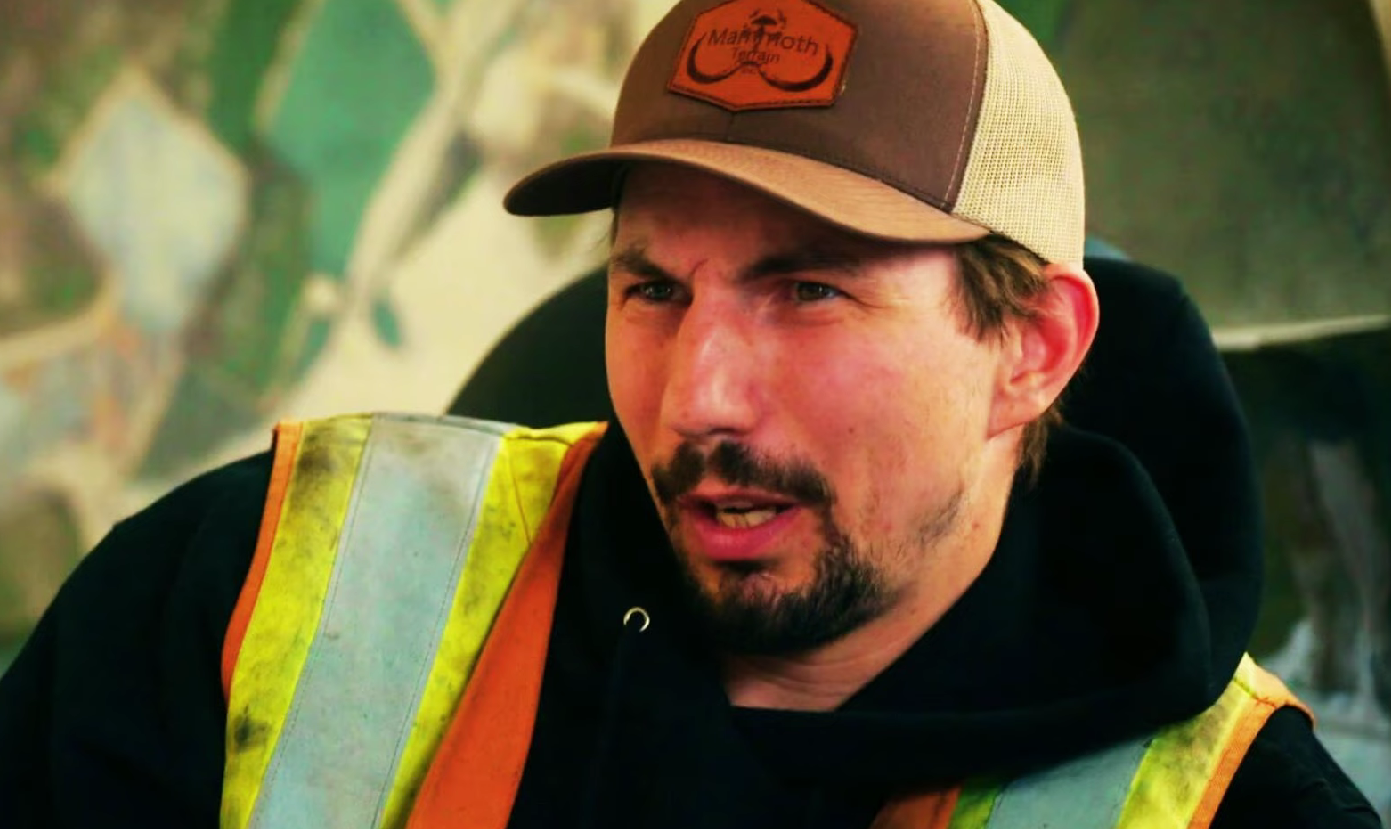
For analysts following Gold Rush Season 16, the implications are significant. Parker’s calculated risk at Sulfur Creek may set the tone for the remainder of the season. If the expanded cut continues to yield high-quality gold, he could approach or surpass his 10,000-ounce goal, solidifying his reputation as one of the most strategic and successful miners in the Yukon. Conversely, any operational misstep—equipment failure, misjudged ground, or missed deadlines—could offset gains and amplify pressure across all sites. The episode offers a blueprint for the delicate balance between aggressive expansion and operational prudence.
Ultimately, No Off Days is a compelling portrait of modern gold mining. It is a story of risk, reward, and the relentless pursuit of success, all framed within the pressures of leadership and the unforgiving Yukon landscape. Parker Schnabel emerges not just as a miner chasing ounces, but as a strategist navigating high-stakes challenges where experience, intuition, and timing can make the difference between triumph and setback. For Gold Rush viewers, Episode 8 reinforces why the show continues to captivate: every pan, every dig, and every decision carries consequences that are immediate, tangible, and sometimes life-changing.
As the season progresses, all eyes will remain on Parker’s choices at Sulfur Creek and across his Yukon empire. With his mix of boldness, strategy, and reflective insight, the path to 10,000 ounces—and the lessons learned along the way—continues to provide one of the most intense, human, and gripping narratives in reality television.