BREAKTHROUGH AT E5: PARKER SCHNABEL AND RICK LAGINA DECODE “PRESSURE CHANNELS”
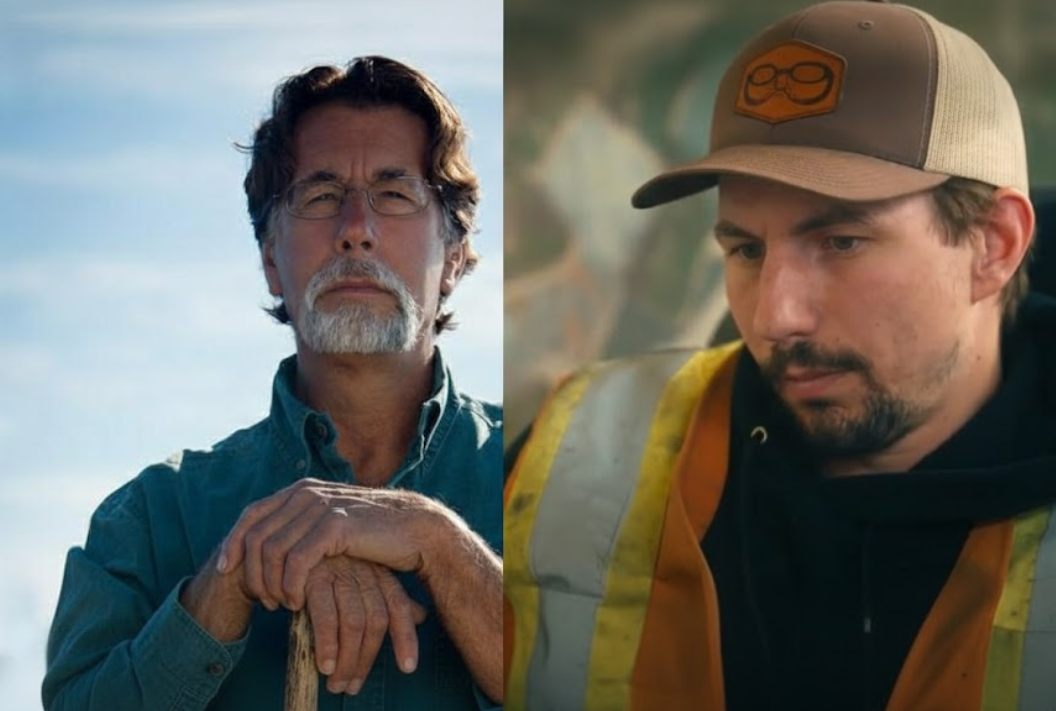
The two-century-old hunt for the Oak Island treasure has taken its most dramatic turn to date. In a stunning crossover of expertise, Yukon gold mining titan Parker Schnabel has reportedly joined forces with Rick Lagina, offering a professional perspective that suggests the fellowship has been digging in the wrong direction for over 200 years.
A New Geometry of the Pit
According to insiders, the collaboration began when Rick Lagina shared raw drilling data with Schnabel, who quickly identified a fundamental misunderstanding of the island’s subterranean layout. While previous searchers viewed the infamous flood tunnels as “booby traps” designed to drown intruders, Schnabel’s analysis suggests they are actually pressure release channels.
“The treasure chamber was never meant to be opened from above,” a source close to the team explained. “By attacking from the surface, searchers for two centuries have been fighting against a hydraulic defense system that was designed to collapse the moment the vertical pressure was compromised.”
This theory explains the “disappearing” metal hits and the constant shaft collapses that have plagued the money pit since 1795. By approaching from the wrong angle, excavators were effectively triggering the island’s self-destruct mechanism.
The E5 Discovery
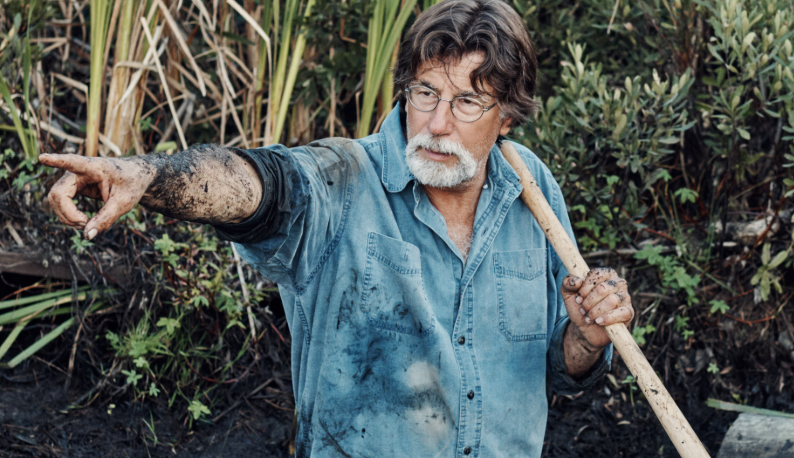
The partnership centered its efforts on a new drill site designated E5. Moving away from “legend and lore,” the team utilized Schnabel’s industrial methodology, focusing on soil composition rather than just gold signals. At approximately 100 feet deep, the drill struck a layer of unusual clay that appeared to be part of a sophisticated man-made barrier.
Among the samples recovered were:
-
A Gold Alloy Fragment: A sample of man-made gold at a depth that defies medieval technological capabilities.
-
Structural Timbers: Shaped wood and beams with markings resembling Roman numerals, reminiscent of the Borehole RF1 discovery of 2019.
-
Old World Tools: A pickaxe with Scandinavian characteristics, lending weight to Rick Lagina’s theory that the site’s origin dates back to the 1200s and involves Viking descendants.
Revisiting “Aladdin’s Cave” and the “Baby Blob”
With Schnabel’s input, the team re-evaluated “Aladdin’s Cave”—a flooded chamber that has baffled the crew for seasons. By shifting the drilling path to a “fresh angle” suggested by the Yukon miner, the team reportedly hit intentional wooden structures rather than the expected natural cavern walls.
Dr. Ian Spooner and Dr. Fred Michael have confirmed that water samples from these depths contain trace elements of precious metals that are not part of the island’s natural makeup. “This isn’t natural erosion,” the science team noted. “Something was placed here, shaped with a purpose, and sealed away.”
The Viking-Templar Connection
The evidence mounting at E5 has led Rick Lagina to refine his historical timeline. The presence of Viking-style tools alongside advanced engineering hints at a collaboration between Norse explorers and a group possessing high-level architectural knowledge—potentially the Knights Templar.
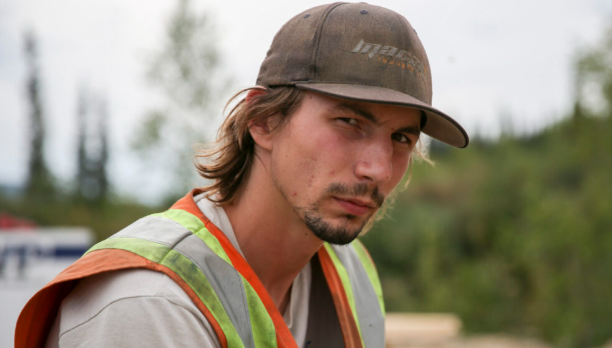
“Something happened here in the 1200s,” Rick Lagina stated during the recent excavation. “It almost has to have a component of Viking descendants. They were the ones who knew about this place.”
The Final Push
As the Atlantic winter begins to lock the island in ice, the morale at Diddly Squat—and now Oak Island—has never been higher. The transition from “theories and guesses” to “solid, buried proof” has energized a crew that was previously beaten down by decades of empty shafts.
The fellowship is now reportedly drafting plans to bypass the “pressure release channels” and approach the primary vault from the side, a move that could finally reveal the treasure that has remained elusive for over 230 years.