Kaleb Cooper Reveals All About Working on Clarkson’s Farm

When Clarkson’s Farm first aired, few expected that one of its most recognisable figures would not be the former motoring presenter at its centre, but the young farmer tasked with keeping him in line. Yet Kaleb Cooper’s rise from local contractor to national figure has been one of the programme’s most compelling and unplanned outcomes.
Before cameras arrived at Diddly Squat Farm, Cooper had already spent years working the land. He began farming there in 2016, long after Jeremy Clarkson had purchased the property in 2008. At the time, Cooper did not even know who owned the fields he was cultivating. He worked for a local contractor, turning up each day to spray, plough, and prepare crops, focused entirely on the job rather than the name attached to the land.
That arrangement ended when the contractor retired, leaving Cooper without steady work. By then, he had already set up his own farming business and was prepared to move on. Instead, Clarkson made an offer that would change both their lives: Cooper could continue running the farm, but this time Clarkson would be his boss.
The prospect was, by Cooper’s own admission, “interesting.” While Clarkson technically employs him, the working relationship quickly became something more complex. Cooper understands the land, the seasons, and the machinery in a way Clarkson does not. The result is a dynamic that sits at the heart of the show: one man with ambition and resources, the other with experience and practical authority.
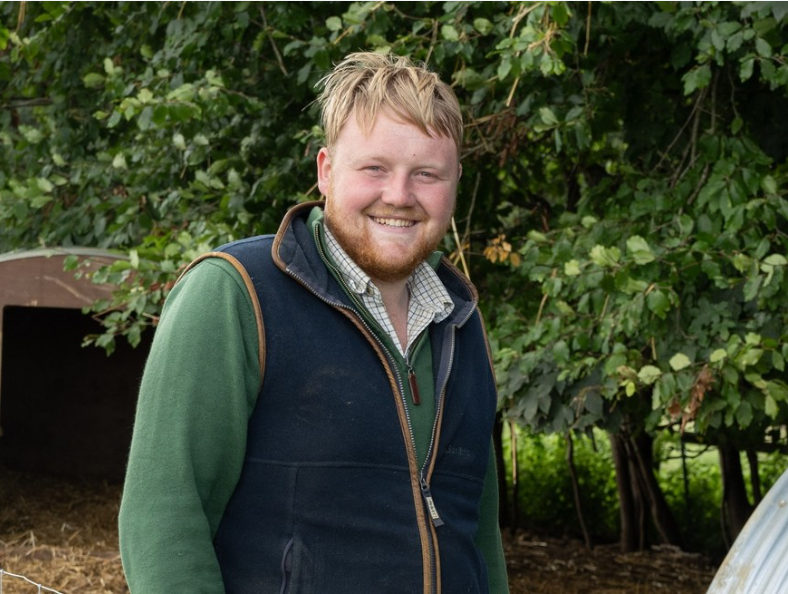
That imbalance is not hidden from the audience. In fact, it is openly acknowledged by Cooper himself. While he accepts Clarkson’s position as owner, he makes little secret of the reality on the ground. Farming decisions, he explains, are not theoretical. Mistakes cost time, money, and entire harvests. When Clarkson ignores instructions, frustration is not for show—it is rooted in genuine consequence.
One frequently cited example involves drilling crops, one of the most critical tasks in arable farming. Cooper spent hours explaining the process, the importance of straight tramlines, and the impact on future harvesting. Clarkson listened, nodded, and then proceeded to do it his own way. The short clip shown on television represents only a fraction of the time spent trying to get it right. For Cooper, the anger viewers saw was real, not rehearsed.
That authenticity is a major reason audiences responded so strongly. Clarkson’s Farm does not portray farming as a romantic escape, but as relentless, physical, and unforgiving work. Cooper repeatedly emphasises that farming does not follow office hours. Summer days stretch to 16 hours or more. Winter offers only limited relief. There is no pause button, no easy reset.
Ironically, it is that very honesty that turned Cooper into an overnight public figure. Within weeks of the show’s release, his social media following surged by tens of thousands. He began to be recognised in public, asked for photos, and stopped in the street by viewers who felt they already knew him.
For someone whose preferred environment is a tractor cab in the middle of a field, the change was disorienting. Cooper makes no effort to hide his discomfort with city life. London, he says plainly, is somewhere he actively dislikes. Even when sent there during the series to sell wasabi, the experience reinforced how far removed he feels from urban environments. His identity, he insists, is rooted firmly in the countryside.
Despite the attention, Cooper has remained grounded in how he views his work. Farming, to him, is not simply employment but a way of life. He argues that satisfaction comes from waking up knowing exactly what the day will bring and wanting to do it. Driving a tractor, spreading fertiliser, managing crops—these are not chores but privileges.
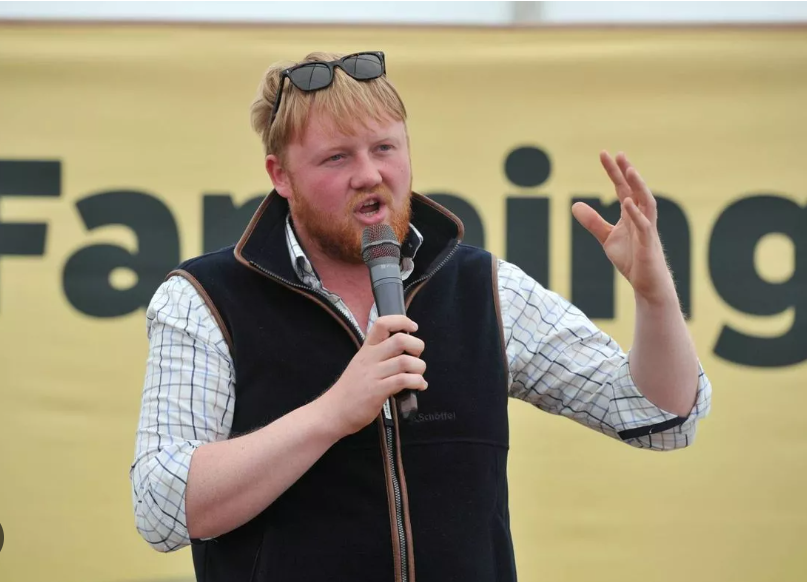
That message has resonated with younger viewers, many of whom had little exposure to modern farming before the series. Cooper is vocal in encouraging new generations to consider agricultural careers, not by downplaying the difficulty, but by explaining the fulfilment that comes with it.
The success of Clarkson’s Farm has also subtly reframed Clarkson’s public image. Rather than positioning himself as an expert, he is consistently shown learning—often the hard way. Cooper’s role is central to that narrative. He is not there to entertain, but to correct, guide, and occasionally confront.
In that sense, Cooper’s emergence as a breakout figure feels less like a media creation and more like an accident of honesty. He did not seek fame, nor did he alter his behaviour for cameras. What viewers see is what colleagues have long known: a skilled young farmer who takes his work seriously and expects others to do the same.
As Clarkson’s Farm continues, Cooper’s presence remains its anchor. Amid the humour and spectacle, he represents the reality beneath the entertainment—a reminder that farming is not a television concept, but a demanding profession that feeds the country, one long day at a time.