New tractors, new tension: Jeremy introduces new tractors in season 5, promising an explosive new season at Jeremy’s farm.
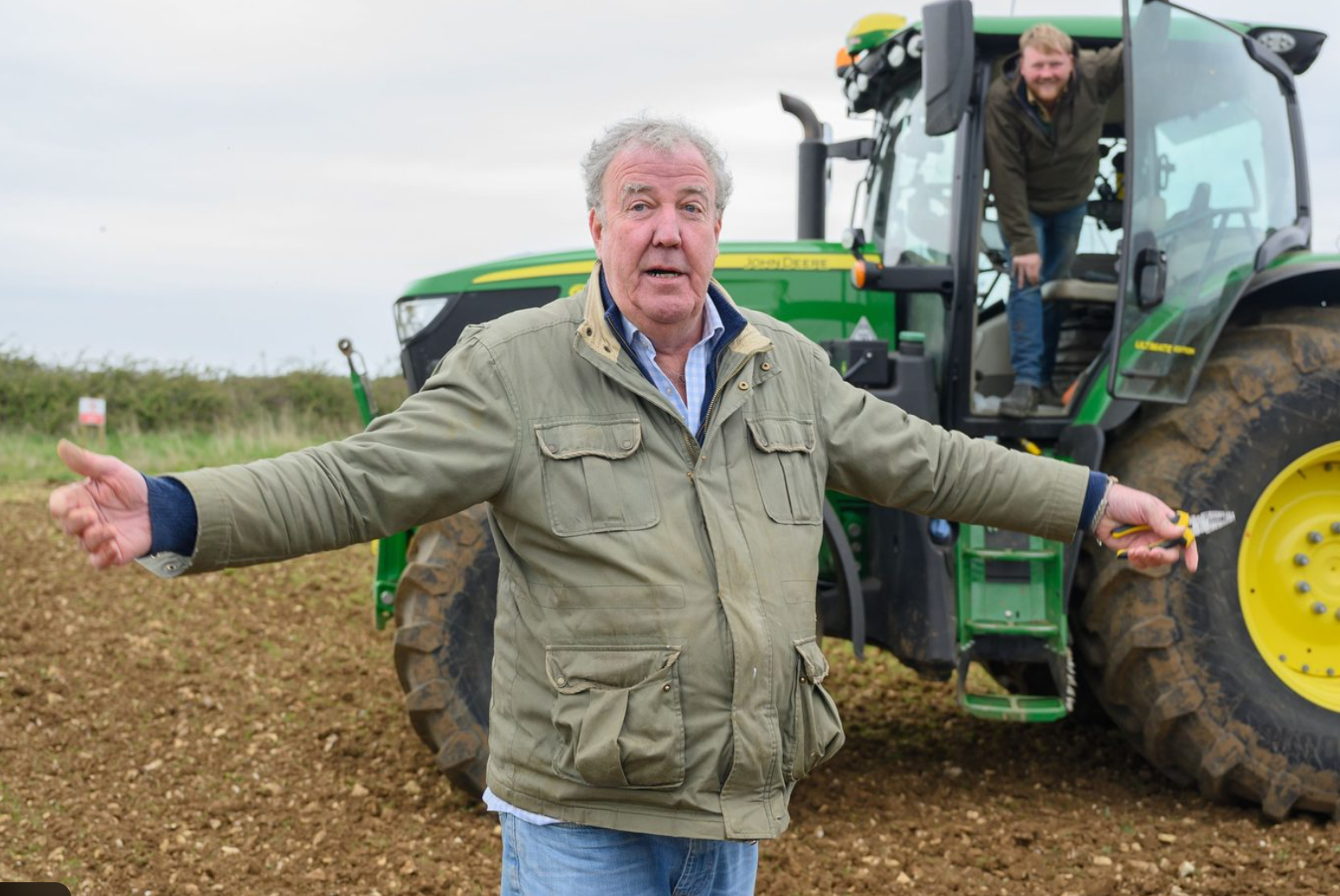
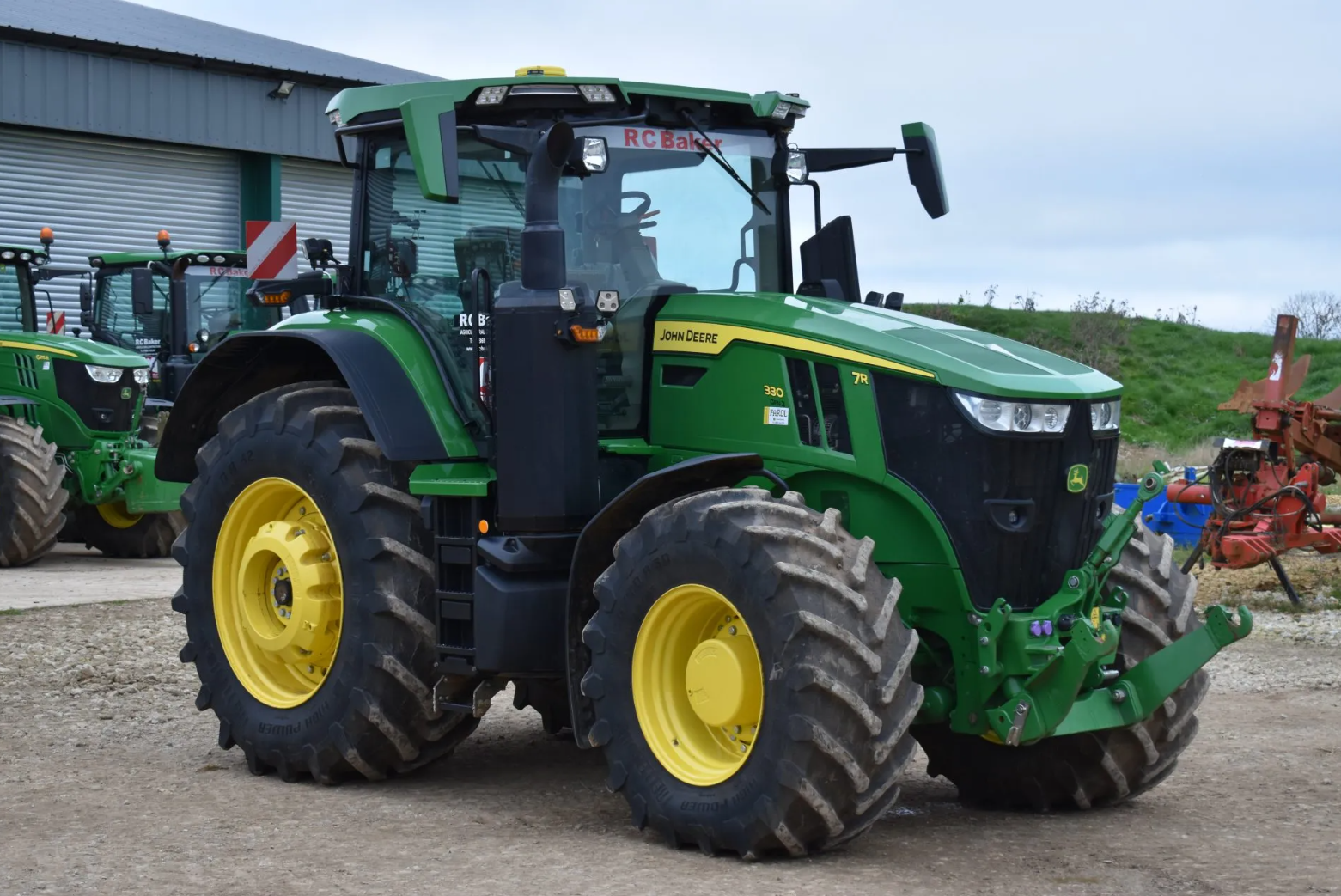
As Clarkson’s Farm prepares to roll into its fifth season, one seemingly practical decision by Jeremy Clarkson may end up reshaping the entire narrative arc of the show. The introduction of a new generation of tractors at Diddly Squat Farm is not merely an equipment upgrade; it signals a strategic shift that could define both the challenges and the tone of the upcoming season.
From a programme-analysis perspective, machinery changes on Clarkson’s Farm have never been neutral. Every major investment in equipment has historically triggered a cascade of unintended consequences—financial strain, operational missteps, clashes with advisers, and moments of unfiltered comedy. Season 5 appears poised to continue that tradition, but on a larger and more consequential scale.
A Calculated Risk Disguised as Progress
At first glance, Jeremy’s decision to deploy newer, more powerful tractors appears sensible. Rising fuel costs, tighter agricultural margins, and increasingly unpredictable weather have forced UK farmers to rethink efficiency. Modern tractors promise better fuel economy, improved soil management, and advanced GPS-guided precision farming—areas where Diddly Squat has previously struggled.
However, Clarkson’s track record suggests that practicality is rarely the sole motivator. Past seasons have shown that Jeremy is drawn to machines that are not only capable, but also excessive, expensive, and occasionally ill-suited to the realities of his land. From an analytical standpoint, this is where Season 5’s narrative tension is likely to emerge. The gap between what the tractors are designed to do and what Diddly Squat actually needs has always been fertile ground for conflict.
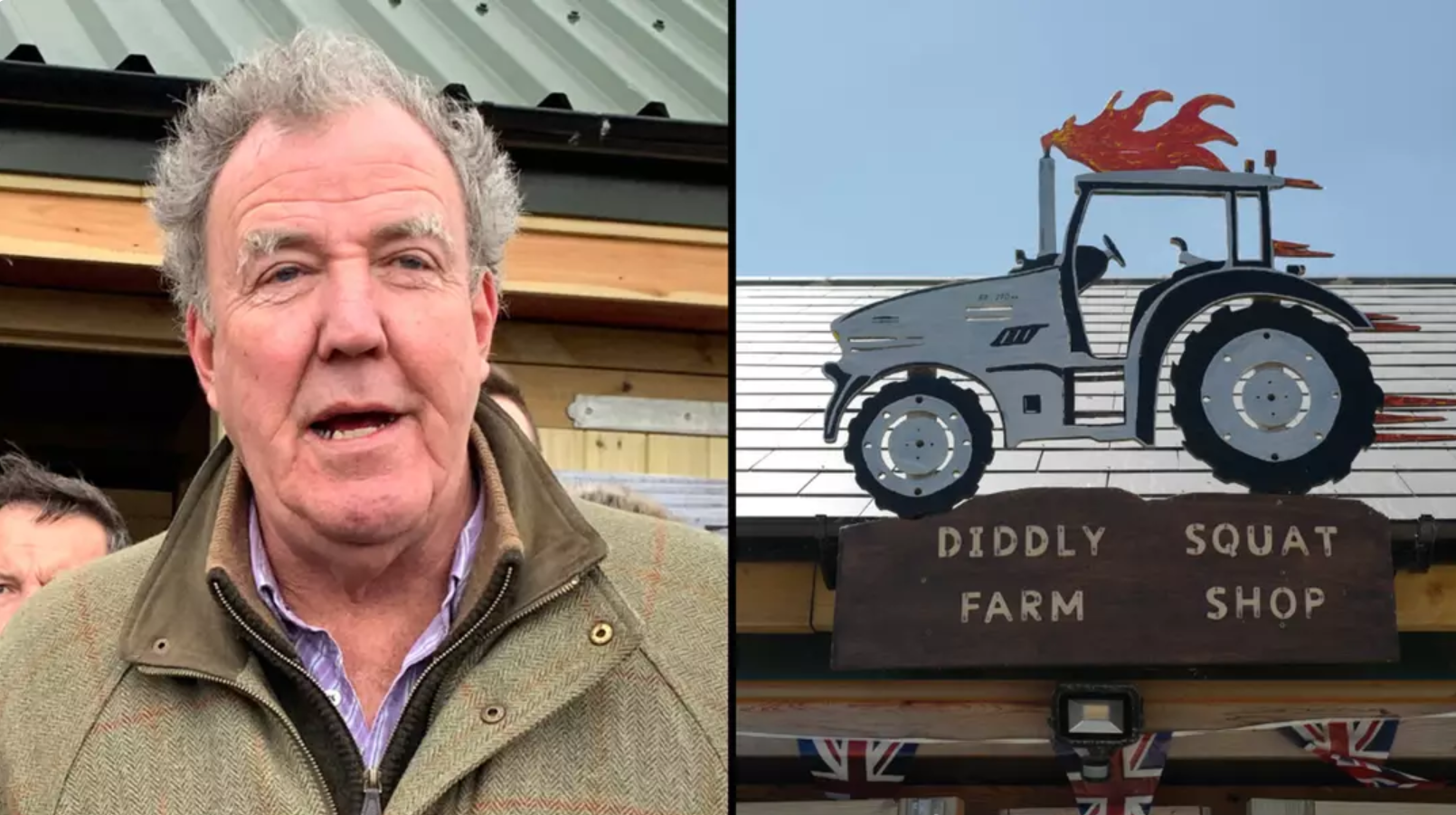
Technology Versus Experience
One of the most compelling dynamics likely to unfold is the clash between advanced machinery and hands-on farming wisdom. New tractors bring digital dashboards, software updates, and automated systems—features that demand technical literacy rather than instinctive know-how.
This is significant because Clarkson’s Farm thrives on friction between theory and reality. Advisors such as Charlie Ireland and experienced farmhands are likely to push back against Jeremy’s enthusiasm, questioning whether these machines genuinely improve productivity or simply add complexity. Season 5 may lean heavily into this debate, framing the tractors as symbols of modern agriculture’s promises and pitfalls.
From a storytelling perspective, this creates a natural arc: optimism during the rollout, early wins that justify the investment, followed by operational complications when technology collides with mud, weather, and human error.
Financial Stakes Are Quietly Rising
Another underappreciated angle is financial exposure. Tractors of this class represent six-figure investments, and viewers have become increasingly aware of how thin farming margins can be. Season 5 is likely to explore whether these machines genuinely pay for themselves—or whether they deepen the financial pressures already facing Diddly Squat.
Expect the show to subtly frame these tractors as both assets and liabilities. If yields improve, Jeremy will be vindicated. If not, the programme may pivot into a broader commentary on how capital-heavy modern farming has become, even for well-funded operations. This tension aligns neatly with the show’s evolving identity: entertainment rooted in very real agricultural economics.
Operational Chaos as Narrative Fuel
Historically, every new machine introduced by Clarkson has produced chaos before competence. Analysts of the series can reasonably predict that Season 5 will follow the same trajectory. Early episodes may showcase Jeremy’s confidence as he demonstrates the tractors’ capabilities, only for unforeseen issues—maintenance delays, software glitches, or unsuitable attachments—to derail operations at critical moments.
These moments are not incidental. They form the backbone of the show’s appeal. Viewers are not tuning in to see flawless farming; they are watching to observe what happens when ambition outpaces experience. The tractors, in this context, become narrative devices rather than mere tools.
A Broader Shift in the Show’s Tone
Importantly, the machinery upgrade may also signal a tonal evolution. Earlier seasons leaned heavily on Clarkson’s outsider status. By Season 5, he is no longer a novice. The tractors may reflect a farm that is transitioning from chaotic experiment to semi-professional operation—raising the question of whether the show will allow Jeremy to succeed more often, or whether it will engineer new obstacles to preserve its comedic edge.
From an analytical standpoint, this balance will be crucial. Too much success risks diluting the show’s relatability; too much failure undermines its credibility. The tractors sit at the centre of that balance.
What to Expect Next
Looking ahead, Season 5 is likely to frame these new tractors as catalysts rather than solutions. They will enable bigger ambitions—larger fields, tighter schedules, higher expectations—and with those ambitions will come greater consequences when things go wrong.
Ultimately, the promise of an “explosive” new season does not rest on horsepower alone. It lies in how Jeremy Clarkson navigates the gap between modern agricultural technology and the stubborn realities of British farmland. If history is any guide, the tractors will not simplify life at Diddly Squat. They will complicate it—and that is precisely why Season 5 is shaping up to be one of the most revealing chapters of Clarkson’s Farm yet.