Parker Schnabel Fights Wildfires To Save Gold Operation.
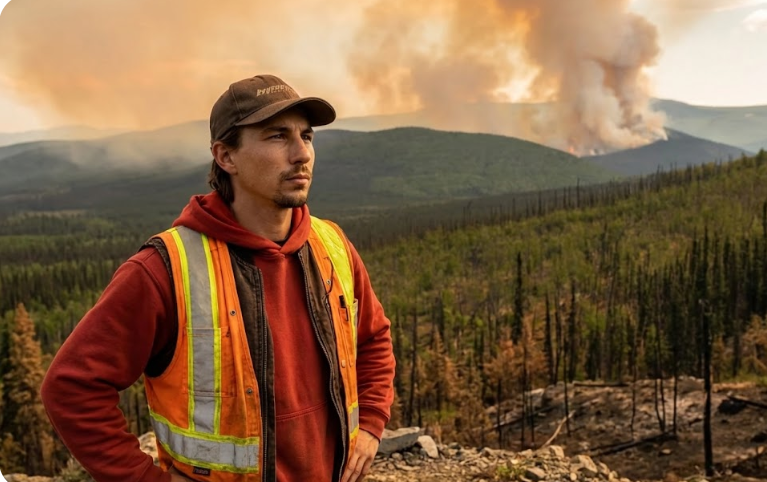
For most seasons of Gold Rush, the greatest threats come from frozen ground, broken machinery, or shrinking margins. This time, however, the danger arrived from the sky. As lightning ignited vast stretches of the Yukon wilderness, Parker Schnabel found his most ambitious season yet pushed to the brink by an uncontrollable force: wildfire.
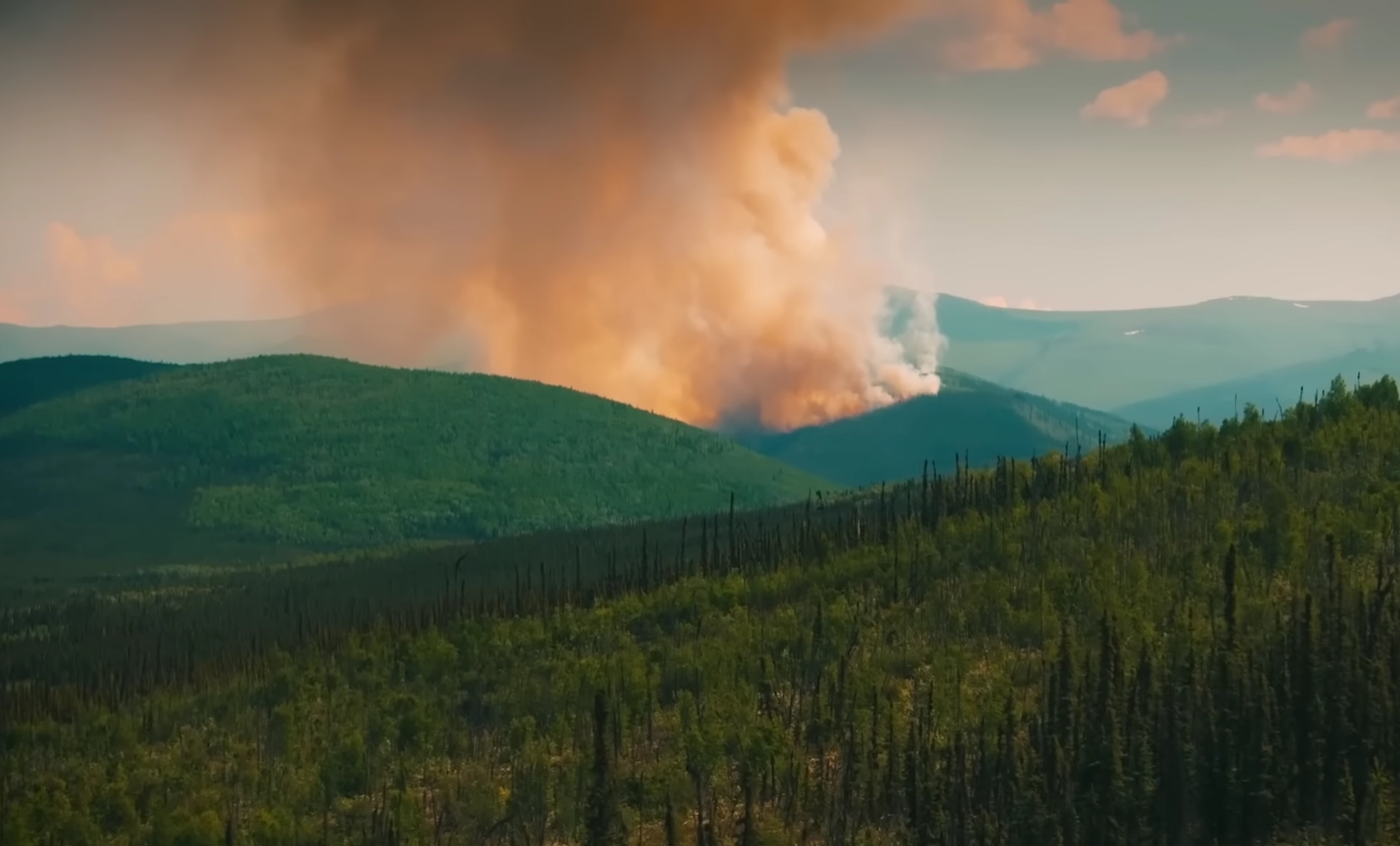
At the height of the crisis, flames were burning just miles from Parker’s camps. One blaze sat three to four miles from the crew, another raged only two miles from his Dominion Creek operation, and a third burned roughly a mile from his Sulfur Creek claim. With strong winds capable of driving fires at extraordinary speed, the situation escalated from concern to genuine operational threat.
When Safety Overrides Gold
As Parker and the film crew approached one of the fires, the danger became impossible to ignore. Heat radiated from the roadside, smoke filled the air, and visibility fluctuated unpredictably. Production safety stepped in, ordering the crew to exit the area. While Parker argued that visible flames suggested the fire was not advancing rapidly, the risk to personnel was undeniable.
From an analytical standpoint, this moment highlights a rarely discussed aspect of Gold Rush: mining decisions are often secondary to safety and logistics. Gold targets mean nothing if crews cannot safely remain on site. Even Parker, known for pushing hard toward his goals, was forced to weigh risk against reward in real time.
A Season on the Line
The timing could not have been worse. Parker was chasing a record-breaking $35 million season, anchored by an aggressive push toward a 10,000-ounce target. At Sulfur Creek, the pressure was especially acute. The water licence there was set to expire in just two weeks, leaving Mitch Blaschke and his crew racing to strip, sluice, and recover every possible ounce before operations would be shut down.
Wildfires added a volatile variable to an already unforgiving schedule. Roads could be cut off, evacuations enforced, and equipment stranded without warning. As Parker prepared to leave camp for several days, he was forced to hand full responsibility to Mitch—at precisely the moment when conditions were most unstable.
Leadership in Parker’s Absence
With Parker away, Mitch and the crew faced a daunting checklist. They had to finish sluicing the remaining Sulfur Creek pay, reclaim the cut, dismantle the wash plant Roxanne, and transport it 25 miles to Ken Stewart’s at Indian River—all while monitoring nearby fires.
From a production-analysis perspective, this sequence underscores why Mitch has become one of the most trusted lieutenants in Parker’s operation. Calm under pressure, methodical in execution, and decisive in planning, Mitch coordinated multiple moving parts with little margin for error.
The wildfires were not isolated incidents. Smoke blanketed the region, and fires burned in nearly every visible direction. All it would take was a shift in wind to force an immediate shutdown. The crew pressed on, aware that delay could cost them both gold and access.
Relief from the Sky
Nature, which had created the crisis, also provided temporary relief. Sustained rainfall arrived, dampening fire activity and buying the team a narrow window to complete their work. With conditions stabilised, Mitch pushed ahead.
The final cleanup at Sulfur Creek marked the end of a successful run. Gold recovery had exceeded expectations, validating the season-long gamble on the ground. But success there was only half the battle. The real challenge lay in moving Roxanne.
A Logistical Gamble on the Road
Transporting a wash plant is never simple, but this move presented exceptional risk. The route to Ken Stewart’s included narrow forest roads and a critical bridge with a strict width limitation. The sluice runs alone measured roughly 27 feet wide, while the bridge allowed just 21 feet of clearance.
Engineers calculated that the only way across was to raise the sluice runs high enough to clear the bridge rails—leaving a margin of just half an inch. Any miscalculation could strand the equipment mid-bridge, with no safe way to recover it.
As the convoy crept forward, trees scraped against metal, tension mounted, and every movement was measured in fractions. Spotters guided the driver inch by inch. When the sluice runs finally cleared the bridge, the relief was immediate—and well earned.
Back in Business
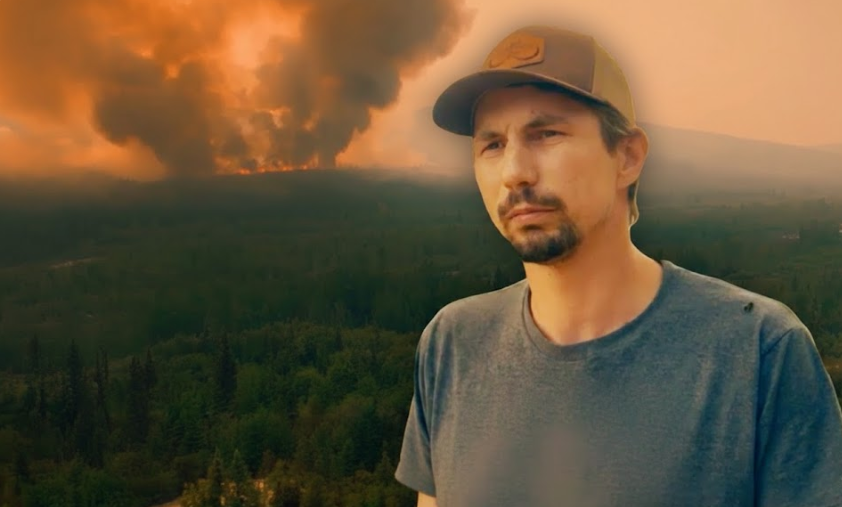
Against the odds, Roxanne arrived at Ken Stewart’s intact. Even more remarkably, by the time Parker returned, the wash plant was already running again. What looked like chaos from the outside had been transformed into one of the slickest transitions of the season.
Parker’s reaction was telling. Instead of frustration at the risks taken in his absence, he offered praise—acknowledging that Mitch and the crew had not only maintained momentum, but improved it. In an industry where delays are common and losses frequent, execution at this level stands out.
A Season Defined by Adaptation
From an analyst’s viewpoint, this episode encapsulates the true nature of modern gold mining. Success is not determined solely by ground quality or equipment size, but by adaptability under pressure. Wildfires, expiring permits, and logistical bottlenecks would have derailed many operations. Parker Schnabel’s team absorbed each blow and kept moving.
As Parker joked about hoping the place had not “burned to the ground,” the humour masked a serious truth: this season’s outcome hinged on decisions made under extreme uncertainty.
In the end, the fires did not claim the operation. Instead, they revealed something just as valuable as gold—proof that leadership, preparation, and trust can carry a crew through even the most unpredictable challenges the Yukon can deliver.