696 / 5.000 Tony Beets’ lavish and extravagant lifestyle on “Gold Rush” – why is he so rich?

Tony Beets is often presented on television as a blunt, hard-edged mining boss with a taste for big machinery and bigger decisions. But the version that reaches viewers through the Gold Rush edit is only part of the story. Away from the polished narrative arcs and neatly packaged episode endings, Beets’ rise — as told by accounts and anecdotes circulating among fans — is less about television and more about a lifetime shaped by relentless work, stubborn independence, and a willingness to live uncomfortably even after achieving wealth.
The arc begins far from the Klondike. Beets was born in the Netherlands in late 1959, in a rural farming community where money was tight and labour started young. By childhood, the routine was not built around school, but survival: early mornings, livestock duties, physical work in harsh weather, and a household where every small expense mattered. In stories about his early years, the details are often striking not because they are unique, but because they sound exhausting — the kind of upbringing that produces either escape or lifelong endurance. Beets, it seems, chose both.
Those close-to-the-ground years also fed a trait that later defined his mining career: mechanical intuition. The narrative frequently returns to the same idea — that Beets could listen to an engine and diagnose a problem before others even reached for tools. It is the type of skill that rarely gets romanticised in modern life, but in remote industries, it becomes a form of power. A person who can keep machines alive can keep an entire season alive too.
By the late 1970s, the limits of the Dutch farm economy had become impossible to ignore. The picture painted by this account is one of rising costs, thin margins, and a future that looked smaller each year. Canada, by contrast, represented scale and possibility. Beets and his partner Minnie eventually made the move — arriving with limited savings, limited English, and the type of vulnerability that comes with starting again in a new country.
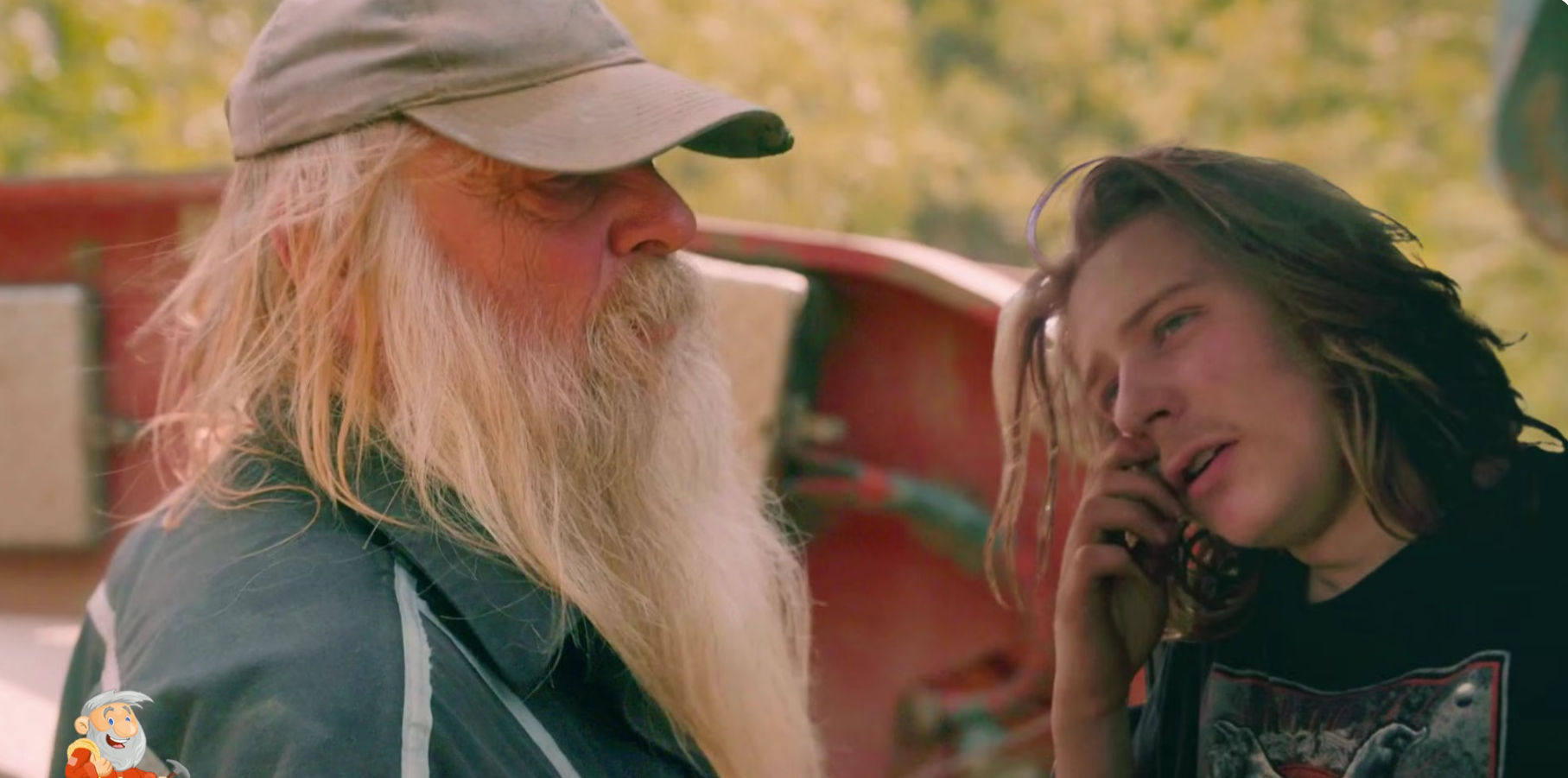
The early Canadian phase, as described, is harsh: low-paid work, long hours, unstable living conditions, and constant risk. It is also where Beets’ mistrust of authority is said to have hardened, shaped by experiences in jobs where safety and workers’ wellbeing were treated as secondary concerns. In these tellings, a workplace accident and its aftermath become a pivot point: a reminder that depending on other people’s rules could leave you exposed — and that independence, while risky, might be the only reliable security.
From there, the story shifts north. The Gold Rush audience knows the Yukon as a landscape of mud, machinery and short seasons. What these accounts emphasise is how brutal the transition can be for newcomers: extreme cold, scarce comforts, long distances, and a professional culture that does not reward inexperience. Beets is portrayed as someone who broke things early, learned fast, and then outworked almost everyone around him until he was no longer a hire — but an operator with his own ground.
The pattern that follows is consistent across the years described: gains followed by setbacks, progress interrupted by equipment losses, weather disasters, or internal betrayal. There are stories of risky partnerships that ended badly, sudden financial collapses, and recoveries fuelled by stubborn persistence rather than outside rescue. Over time, Beets is shown building not just a claim, but a business infrastructure: buying ground when others are desperate, reinvesting heavily, and treating scale as the surest path to stability.
Yet even as the operation grew, the personal portrait remains unusually austere. Despite later wealth — including reports of expensive equipment fleets and property holdings — Beets is repeatedly described as someone who lives simply during mining season. The contrast is part of his mythology: a man who can afford comfort but chooses instead to stay close to the work, sleeping where the job demands and treating convenience as optional.
Some episodes of this story are less flattering — and more complicated. One widely repeated incident involves an ill-judged stunt involving fire and a mining pond, followed by regulatory penalties and operational disruption. Whether all figures quoted in fan retellings are precise or not, the broader point holds: modern mining is inseparable from environmental compliance, and even experienced operators can trigger costly consequences when they ignore rules or misjudge impact. In the Beets story, these moments function as reminders that independence has limits when it collides with public law.
The television chapter begins with a familiar formula: a personality larger than the edit. Beets is said to have been initially brought in as a minor figure, only for producers to realise that his directness — especially when clashing with younger operators — drew attention and conversation. Over time, he became central to the franchise’s identity, not because he behaved like a typical reality TV character, but because he resisted being shaped into one. The account you’ve shared goes further, claiming that Beets refused staged setups and pushed back on producer-driven plotting, insisting the work itself was enough.

That insistence has become part of his appeal. Viewers may not agree with every outburst or decision, but they recognise the consistency: Beets presents himself as a person who answers to the season, the machines, and the ground — not to anyone’s preferred storyline.
If there is a single theme running through this long portrait, it is control. Beets is depicted as someone who fought for control when he was broke, fought for it when he was building, and still fights for it now — even when wealth would allow him to step away. The enduring image is not the oceanfront holiday or the machinery fleet. It is the older man in a remote cabin, working long days, living plainly, and treating mining not as a phase of life, but as the only language he ever trusted.
In the end, Tony Beets’ legend — on screen and off — is not only about gold. It is about the kind of person who builds an empire yet still chooses the hard version of every day, because the hard version is the one he understands.