Jeremy Clarkson worries that council can take over his farm
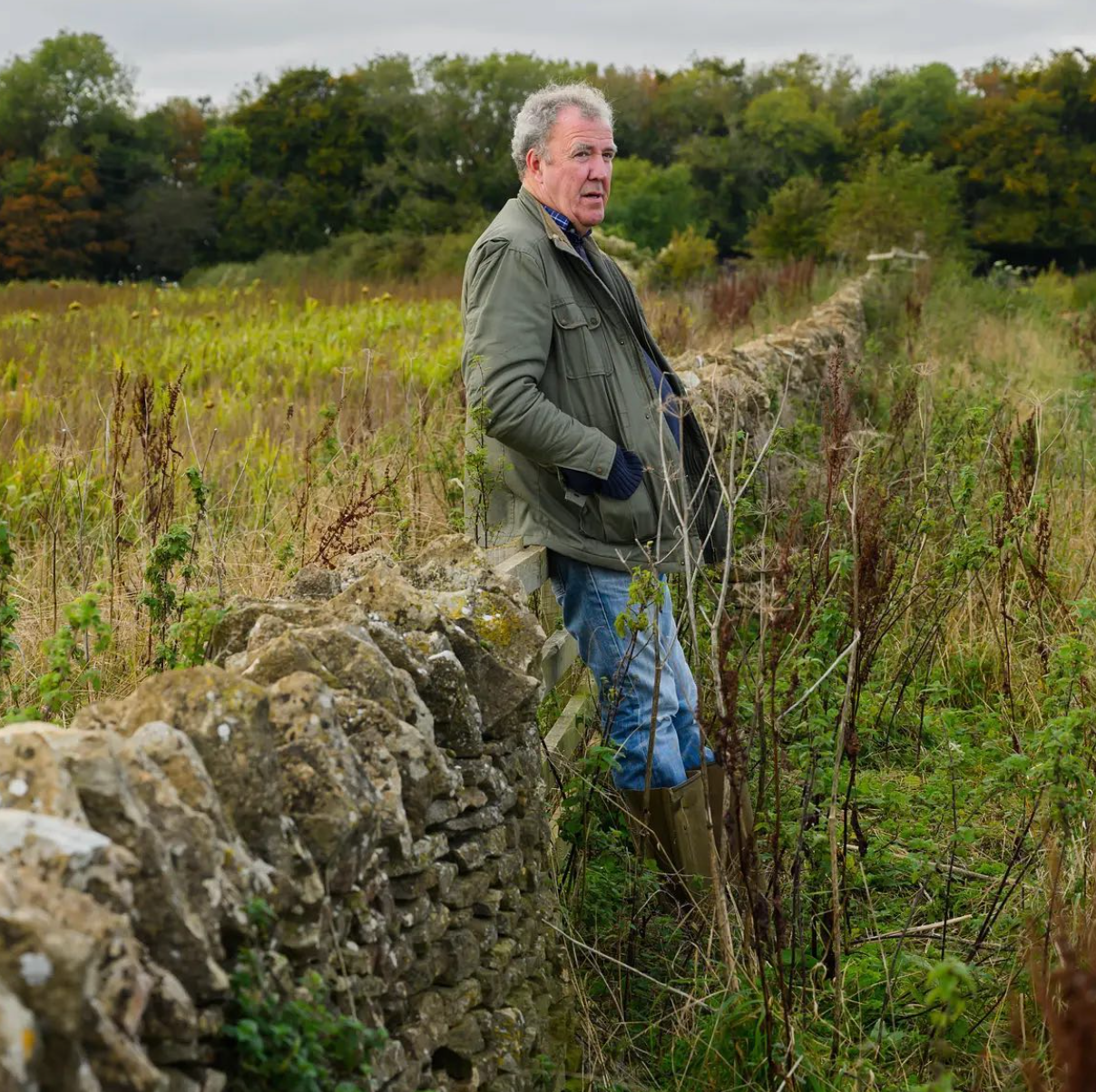
Clarkson’s Farm vs. The New Planning Bill: Is This the End of British Farming?
Jeremy Clarkson — the outspoken television host turned unlikely farming advocate — has once again found himself at the center of a national debate. This time, it’s not about tractors or traffic, but a sweeping piece of legislation that could reshape the British countryside itself: the Planning and Infrastructure Bill.
Introduced to Parliament as part of the Labour government’s effort to build 1.5 million new homes, the Bill aims to fast-track housing, roads, and renewable energy projects. Deputy Prime Minister and Housing Secretary Angela Rayner has hailed it as “the biggest building boom in a generation,” claiming it will “unleash seismic reforms” to get Britain building again and strengthen energy security.
But not everyone is celebrating. For farmers like Clarkson, whose Diddly Squat Farm has become symbolic of rural resilience, the proposed reforms represent something far more sinister — the possible end of private land ownership as Britain knows it.
The Heart of the Controversy: Compulsory Purchase Orders
At the center of Clarkson’s outrage lies a technical but powerful clause — the Compulsory Purchase Order (CPO) reform. Traditionally, when councils purchase land for public use, they pay not only the market price but also the so-called “hope value,” reflecting the land’s potential worth if it were developed in the future.
Under the new Bill, however, councils could acquire land without hope value — essentially paying only the current agricultural price. Furthermore, they could bypass government consultation, granting local authorities broad, independent powers to seize farmland for infrastructure or housing.
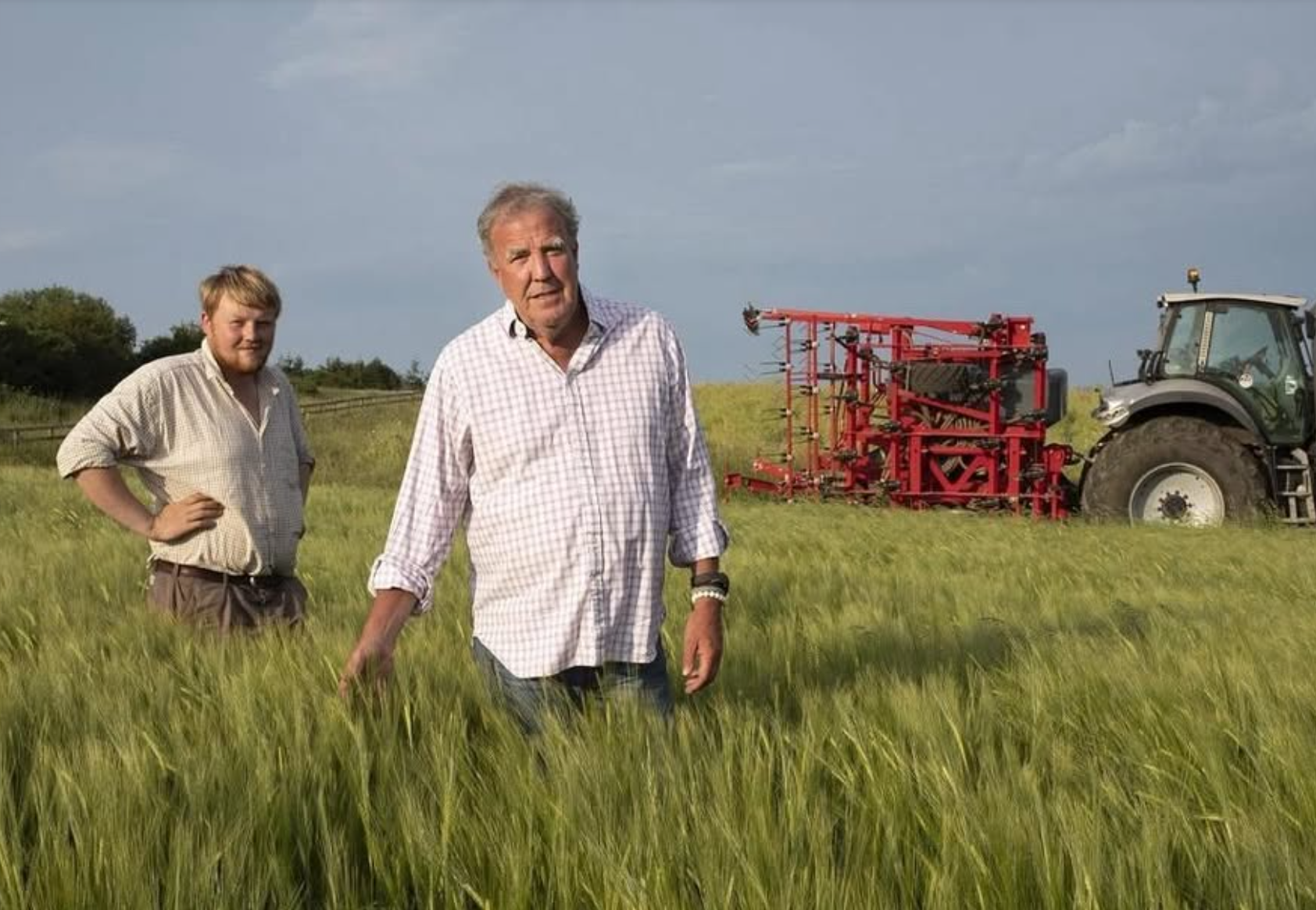
For Clarkson, this reform feels like an attack on the very heart of farming. In his latest column for The Sun, he warned:
“I could wake up one morning in the very near future to be told by West Oxfordshire District Council that they now own my farm.”
He likened the move to Robert Mugabe’s land reforms in Zimbabwe — a controversial comparison, but one meant to highlight what he perceives as the dangerous erosion of property rights. Clarkson wrote, “It is without doubt the end for British farming. Farming will go the way of mining, shipbuilding and the steel plants.”
A Clash Between Development and Agriculture
The government’s position is clear: Britain needs homes, roads, and renewable energy infrastructure. Land use has always been the tension point between progress and preservation. Yet Clarkson’s comments resonate because they touch a nerve — the increasing marginalization of British farmers.
Farmers across the country are already grappling with post-Brexit export barriers, rising energy and fertilizer costs, and environmental restrictions under the government’s new green policies. Many small and medium farms have been forced to sell land or diversify into agritourism, much like Clarkson himself has done with his Diddly Squat Farm Shop.
If the new CPO rules are implemented as proposed, it could accelerate consolidation, pushing smaller farms out of business while favoring corporate land developers.
In economic terms, the short-term benefit — faster housing construction and cheaper land acquisition — may come at the cost of long-term food security and rural economic sustainability.
Predicting the Fallout: What’s Next for Farmers
As an analyst examining current patterns, several outcomes appear increasingly likely:
-
Heightened Farmer Activism: Clarkson’s call for farmers to “burn every avocado and every pint of almond milk” may be tongue-in-cheek, but it hints at a brewing movement. Inspired by French agricultural protests, British farmers could organize mass demonstrations, particularly if early CPO cases begin to target active farmland.
-
Rising Tensions Between Local Councils and Landowners: With councils gaining more control, disputes over land valuation and ownership could become more frequent and legally complex. Rural communities might find themselves divided between those who see opportunity in development and those who fear displacement.
-
Policy Revisions and Public Pushback: Should media attention — led by figures like Clarkson — amplify public concern, the government may be forced to amend the Bill, possibly reinstating oversight mechanisms or compensation tiers for agricultural landowners.
-
A Shift Toward Corporate Farming: As independent farmers struggle to compete, agricultural land could increasingly fall under the control of large agribusinesses or foreign investors, mirroring trends seen across Europe.
A Battle for Britain’s Countryside
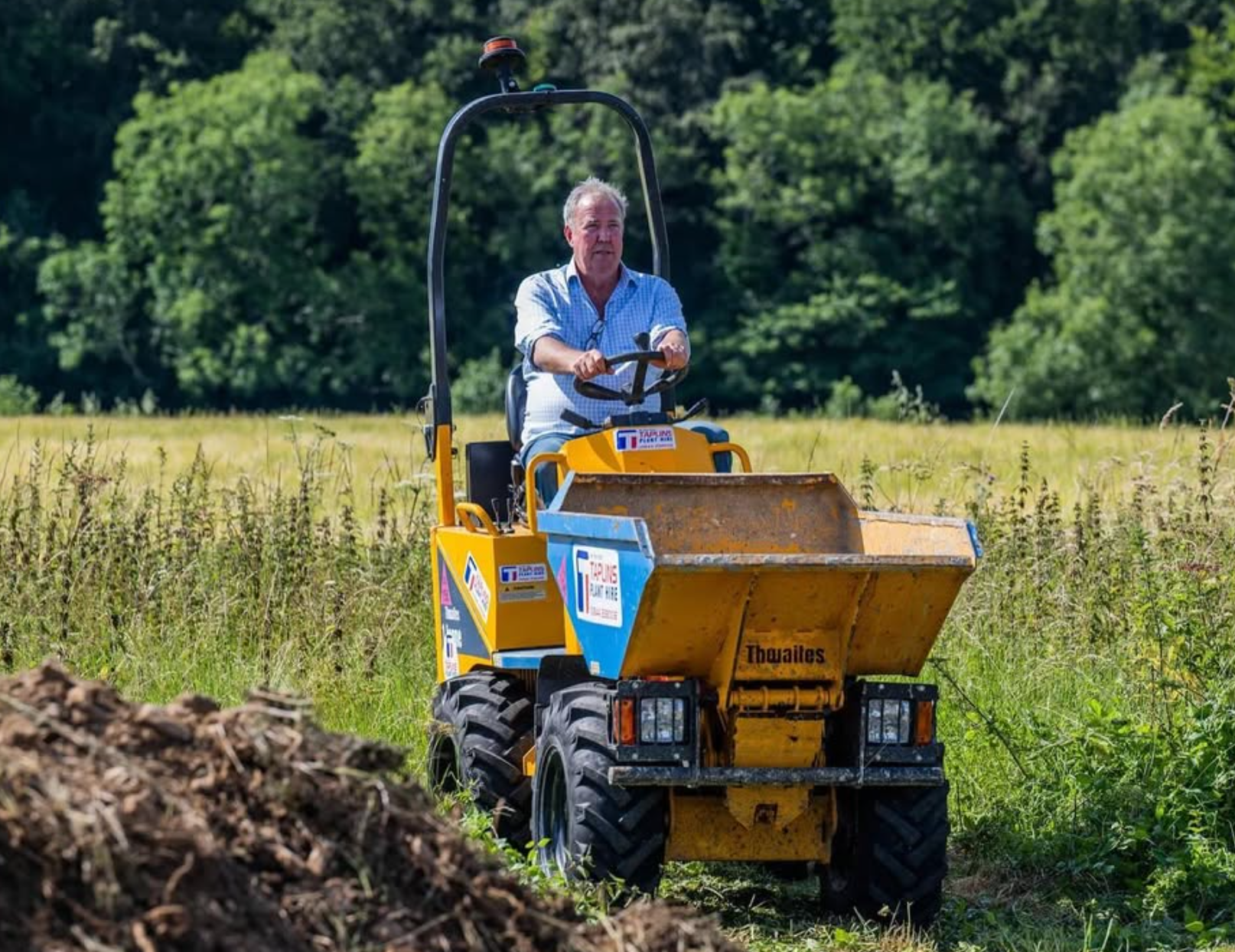
Jeremy Clarkson’s rhetoric may be dramatic, but it captures a growing unease about Britain’s rural identity. For many, farming isn’t just an economic activity — it’s a heritage. The image of Clarkson sitting atop a muddy tractor, battling bureaucracy and bad weather, has become a cultural symbol of the modern farmer’s fight for relevance.
As Britain pushes ahead with its housing revolution, the question lingers: at what cost?
If Clarkson’s fears prove accurate, the fields of Oxfordshire may soon tell a new story — not of harvest and resilience, but of homes built on the land that once fed a nation.
And in that story, Jeremy Clarkson’s cry of alarm might one day be remembered as more prophecy than complaint.