Jeremy Clarkson’s Health Scare: What It Means for the Future of Clarkson’s Farm
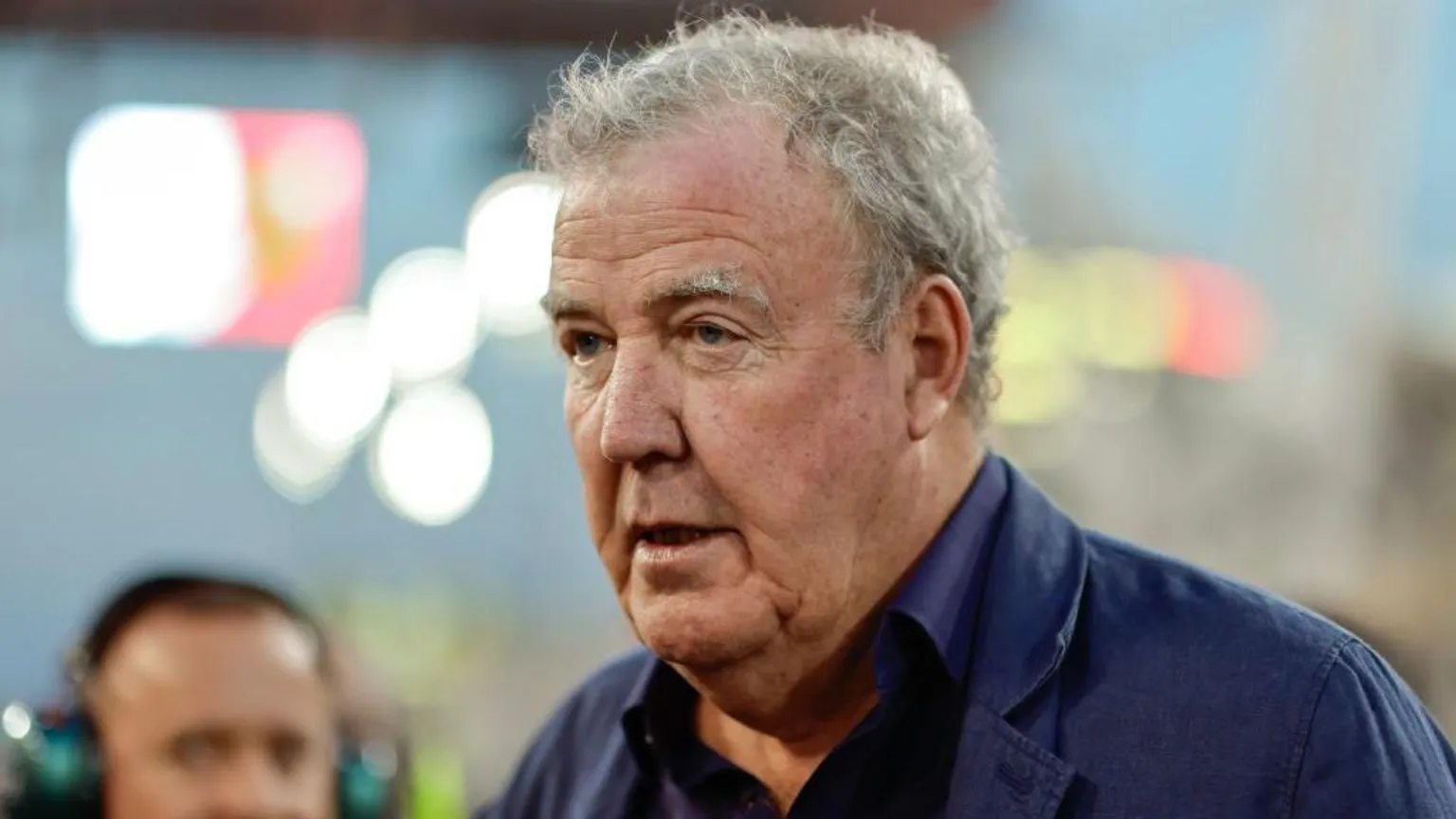
As a Gold Rush program analyst, I’ve spent years studying how reality TV personalities balance ambition, risk, and human limits. Whether it’s Parker Schnabel pushing his crew through brutal Alaskan winters or Tony Beets gambling millions on a broken dredge, every storyline comes down to one truth — no matter how tough the machine, it’s the man behind it that keeps it running. Jeremy Clarkson’s recent revelation about his sudden health deterioration and emergency heart procedure feels eerily similar to that same narrative arc.
The 64-year-old Clarkson’s Farm star described feeling clammy, tightness in his chest, and tingling in his left arm shortly after returning from holiday. A blocked artery led to the fitting of a stent — a medical “repair job” that could have saved his life. It’s a moment that mirrors the high-stakes tension of Gold Rush: when the excavator stops mid-run and everyone holds their breath, waiting to see if the fix comes in time.
From an analytical point of view, Clarkson’s health scare could be a defining turning point in his storytelling and production strategy. Clarkson’s Farm has always been about the clash between man and nature, about a stubborn, loud, hilariously self-destructive farmer who refuses to back down from bureaucracy, weather, or livestock. But after this event, we might see a shift — from defiance to reflection, from speed to sustainability. In Gold Rush terms, it’s the moment Parker Schnabel realizes gold isn’t everything; survival is.
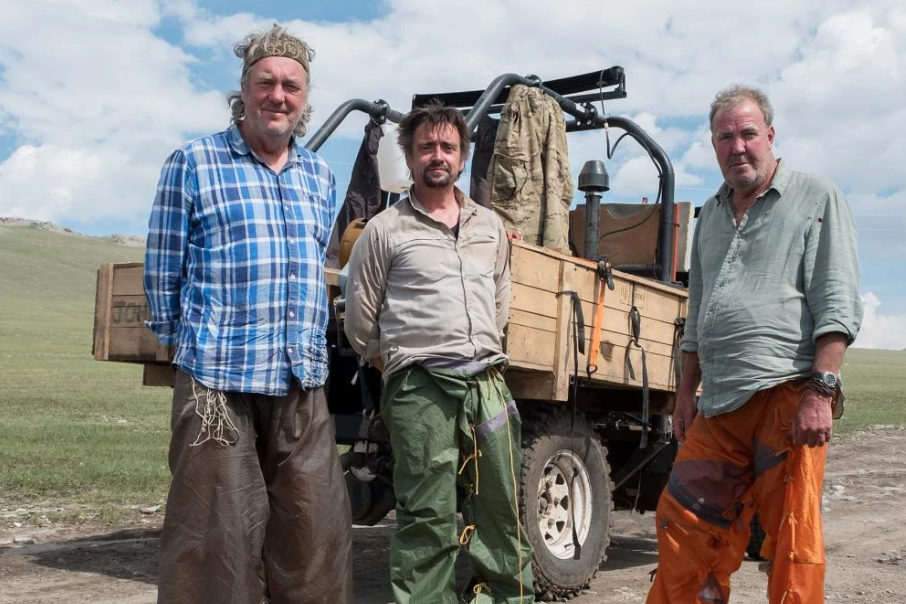
If we look at the broader industry pattern, such incidents often trigger creative evolution rather than decline. In Gold Rush, health or fatigue often mark the birth of a new strategy: when Todd Hoffman’s breakdown led to a family regroup; when Tony Beets handed more control to his children; or when Rick Ness disappeared to face personal challenges before returning renewed. Clarkson’s current phase could lead to a similar restructuring — not of the farm’s finances, but of its emotional core. Expect future episodes to explore delegation, generational responsibility, and the quiet acceptance of mortality.
Another key factor worth analyzing is audience response. Fans of Clarkson’s Farm and Gold Rush share a similar psychological attachment to their heroes: they’re drawn to flawed but determined men who refuse to quit, no matter the odds. A near-death experience doesn’t weaken that myth — it humanizes it. Viewers don’t just want to see Jeremy shouting at cows anymore; they want to see how he adapts, how the unstoppable force learns to rest. If anything, this could make Clarkson’s Farm Season 4 one of the most emotionally charged yet.
Financially, Amazon’s production strategy may adjust around Clarkson’s recovery. Filming schedules could slow, physical scenes may reduce, and more emphasis could be placed on narration, humor, and community stories rather than physical farm labor. Think of how Gold Rush evolved when older miners stepped back but their legacies remained central to the show’s identity. The same could happen here — Clarkson becoming less of the reckless protagonist and more of a reflective storyteller, mentoring younger farmers or exploring larger agricultural themes like sustainability, health, and aging in rural Britain.
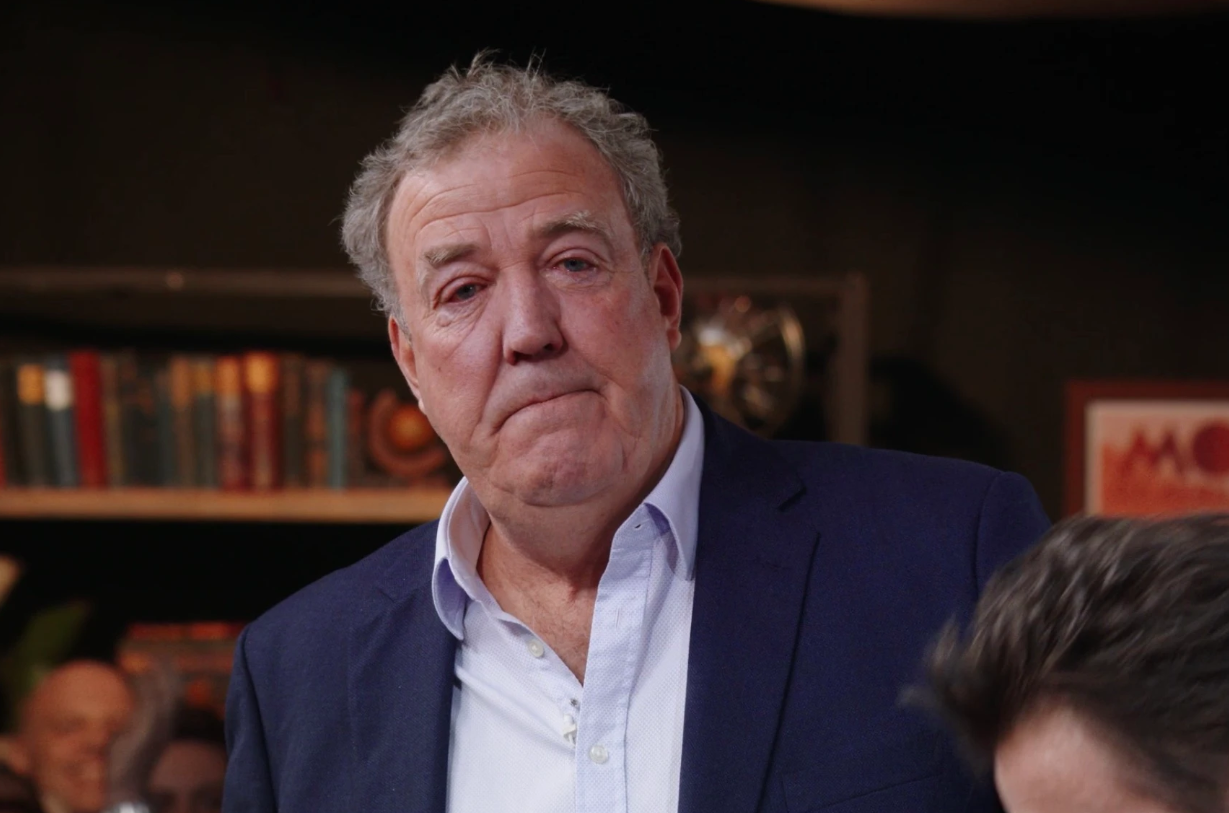
Symbolically, Clarkson’s stent surgery fits perfectly within the mythos of men who build and fix things — mechanics, miners, and farmers alike. Just as Tony Beets welds his broken dredge back to life, Clarkson’s doctors “repaired” his most vital engine: his heart. It’s poetic, almost cinematic. A man defined by horsepower, combustion, and chaos suddenly forced to confront the fragile machinery of his own body.
Looking ahead, my projection is clear: Jeremy Clarkson will not quit television. Like every Gold Rush veteran who’s faced collapse and returned stronger, he’ll transform this near-disaster into narrative gold. His tone may soften, his jokes may deepen, and the farm — once a symbol of defiance — may become a symbol of renewal.
If Clarkson’s Farm Season 3 was about frustration and bureaucracy, Season 4 might be about gratitude and perspective. Expect less shouting, more mentorship. Fewer explosions, more introspection. It won’t be the end of Clarkson’s journey — it will be his next great reinvention.
In the end, whether it’s digging for gold in the Yukon or coaxing wheat from Cotswold soil, reality TV’s greatest treasure isn’t success — it’s resilience. And Jeremy Clarkson, stent and all, just proved he’s still got plenty left in the tank.