MASSIVE $670,000 Gold Discovery Saved Rick Ness from Bankruptcy!
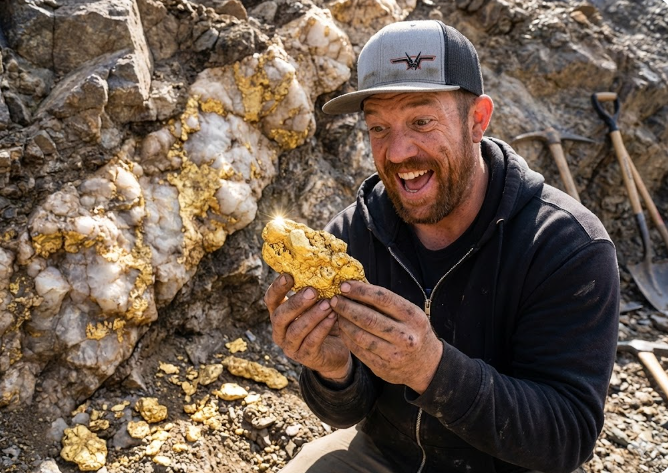
In the Yukon, optimism counts for little without proof in the gold room. For Rick Ness, that proof arrived in the form of 256.7 ounces of gold—worth more than $670,000—from a single cleanup at Vegas Valley, a claim many operators had previously walked away from.
The result marked a turning point in what had become one of the most precarious seasons of his mining career on Duncan Creek.
Earlier in the season, Ness appeared to have found momentum at Rally Valley. Week after week, his wash plant, “Monster Red,” processed pay dirt that translated into steady, profitable weigh-ins. For a time, the operation seemed stable. The crew was energised. The numbers were encouraging.
But Rally Valley’s richest ground thinned out faster than expected, forcing a decision that would define the season. Ness could consolidate gains and finish modestly ahead—or redirect everything into Vegas Valley, a deeper and largely untested deposit requiring an estimated 160 feet of overburden to reach pay.
The numbers were daunting. Stripping the ground would cost roughly $1 million and take up to eight weeks. Even then, there was no guarantee that the gold layer would justify the investment. Complicating matters further, Ness’s water licence at Duncan Creek was nearing expiry. Failure to produce from Vegas Valley would not simply mean a disappointing season—it could threaten his future in the Klondike altogether.
Rather than retreat, Ness committed.
Over six weeks, excavators carved through rock and dirt while expenses mounted. There was no incoming gold revenue to offset fuel, labour and equipment costs. Each day without production narrowed the margin for error. In a remote mining camp, where crews work 16-hour days and live in close quarters, the strain was evident.
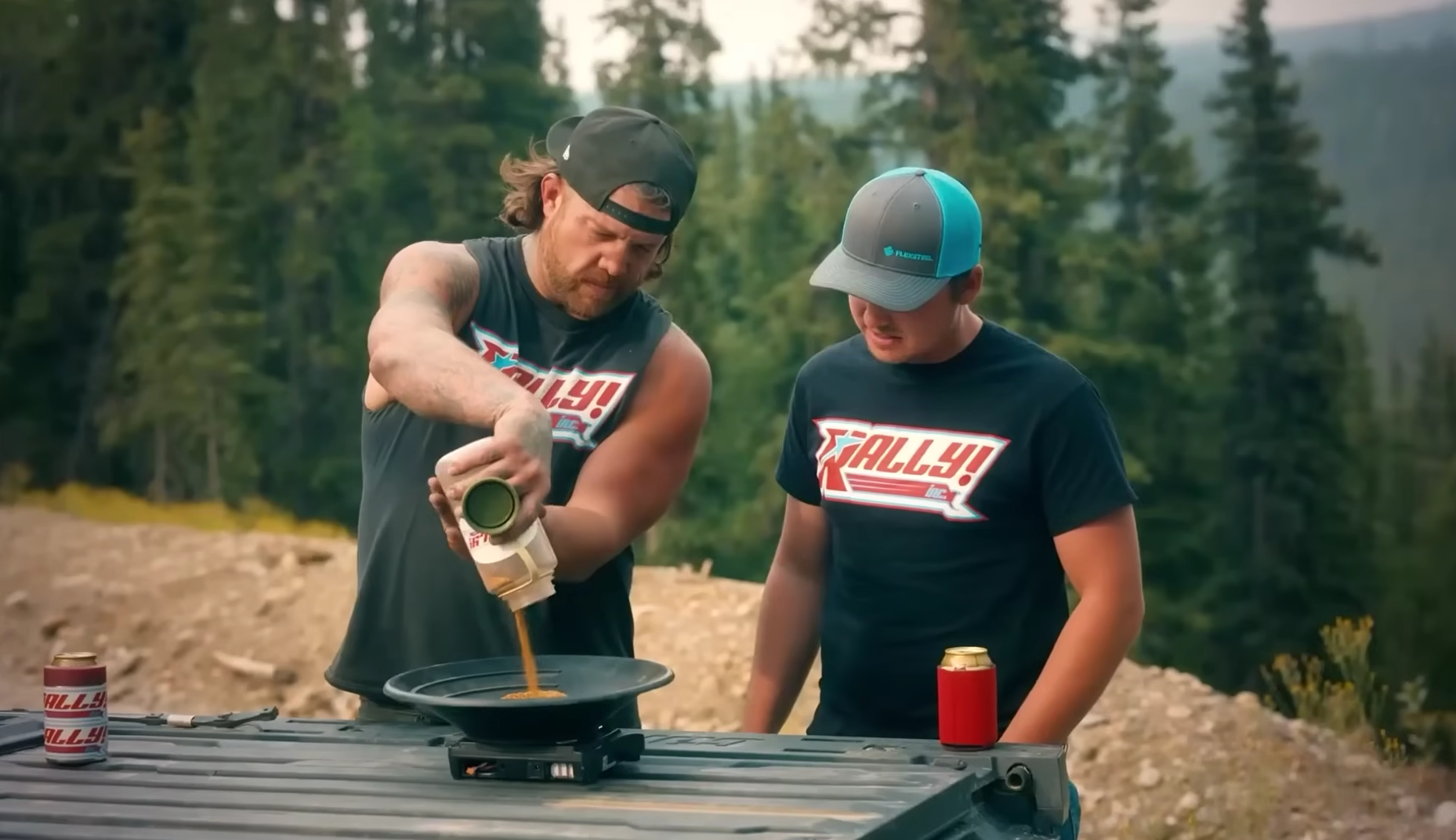
Mining in the Yukon has always been as much psychological as physical. Isolation, financial pressure and mechanical unpredictability test cohesion. Ness has seen seasons unravel when morale falters. This time, he faced the prospect of burning through an entire season’s profit before seeing a single ounce from the new cut.
Reinforcements arrived in the form of veteran operator Zeke Richardson, whose return injected stability into camp life. Familiar rhythms resumed. The focus sharpened. But confidence remained conditional: everything depended on what Vegas Valley would produce once the stripping ended.
When Monster Red finally roared back to life, the relief was short-lived. A ruptured water line forced an emergency shutdown. What initially appeared to be a manageable issue revealed more serious damage—large rocks had punctured the plant’s screen decks, creating holes that could allow gold to escape with tailings.
In mining, equipment failure at the wrong moment can erase weeks of effort. Yet the water-line break proved timely. The stoppage exposed the damage before it escalated into a prolonged shutdown. Screens were replaced within hours rather than days, and the plant resumed operation with minimal long-term disruption.
With pay dirt finally moving through the system, the crew turned to the gold room for the first weigh-in from Vegas Valley. The benchmark was clear. Rally Valley had previously averaged around 300 ounces per week at its peak. For Vegas Valley to validate the investment, the initial cleanup needed to approach at least 200 ounces.
Under fluorescent lights, the gold told its story.
The first bottle delivered 56.7 ounces. Tension lingered. Then came the second container. As the scale climbed past the critical threshold, it became evident that Vegas Valley was not marginal ground. The final tally—256.7 ounces—placed the single cleanup well beyond the minimum requirement.
At current prices, the haul was valued at more than $670,000.
For Ness and his crew, the figure represented more than revenue. It was confirmation that six weeks of expenditure had not been in vain. The million-dollar strip had unlocked ground capable of sustaining the operation through the remainder of the season.
“This is what we dug all that dirt for,” Ness told his crew, acknowledging both the financial risk and the trust placed in his decision-making. Crew members had effectively tied their bonuses and livelihoods to unproven ground. The weigh-in validated not only the geological assessment but the collective endurance required to reach it.
With weeks remaining before winter closure, the Vegas Valley result places Ness within reach of a $2 million seasonal target. Momentum, in mining as in business, can be decisive. A strong initial cleanup suggests the deposit has the grade and volume to deliver consistently if operations remain uninterrupted.
The Yukon offers no guarantees. Weather shifts quickly. Equipment fails without warning. Licences expire. But on this occasion, the combination of calculated risk and operational discipline produced a measurable outcome.
Vegas Valley, once dismissed due to its depth and stripping costs, has redefined Ness’s season. The gamble—financial, mechanical and personal—has yielded tangible reward.
In an industry defined by volatility, the line between collapse and comeback is often drawn in ounces. For Rick Ness, 256.7 ounces may prove to be the margin that secures not just a profitable year, but the continuation of his mining venture at Duncan Creek.
For now, the gold is in the box—and that changes everything.