THE UNDERDOG’S JACKPOT: RICK NESS UNEARTHS $160M “GHOST SHAFT”

In a stunning reversal of fortune that has rewritten the hierarchy of the Klondike, independent miner Rick Ness has discovered a “lost” 19th-century mine shaft containing a gold pocket valued at an estimated $160 million. The find, located at the site of the long-forgotten Henderson claim from 1894, is being hailed by geologists as the most significant placer discovery in the region in over half a century.
For years, Ness was viewed as the industry’s perpetual underdog—a former foreman for Parker Schnabel who struggled with equipment failures and marginal ground while teetering on the edge of bankruptcy. However, while rival operations focused on acquiring new, expensive claims, Ness turned his attention to the archives.
The “Cemented” Secret
The discovery was born from Ness’s intensive research into historical mining records. He identified the Henderson shaft, which was abandoned in 1897 not because the gold had vanished, but because the original “old-timers” lacked the technology to penetrate a layer of cemented gravel.
“The records showed they stopped at 30 feet,” Ness explained. “They hit a layer that was essentially prehistoric concrete. They couldn’t break it with hand tools, so they walked away, leaving their pickaxes behind. We just used a modern drill.”
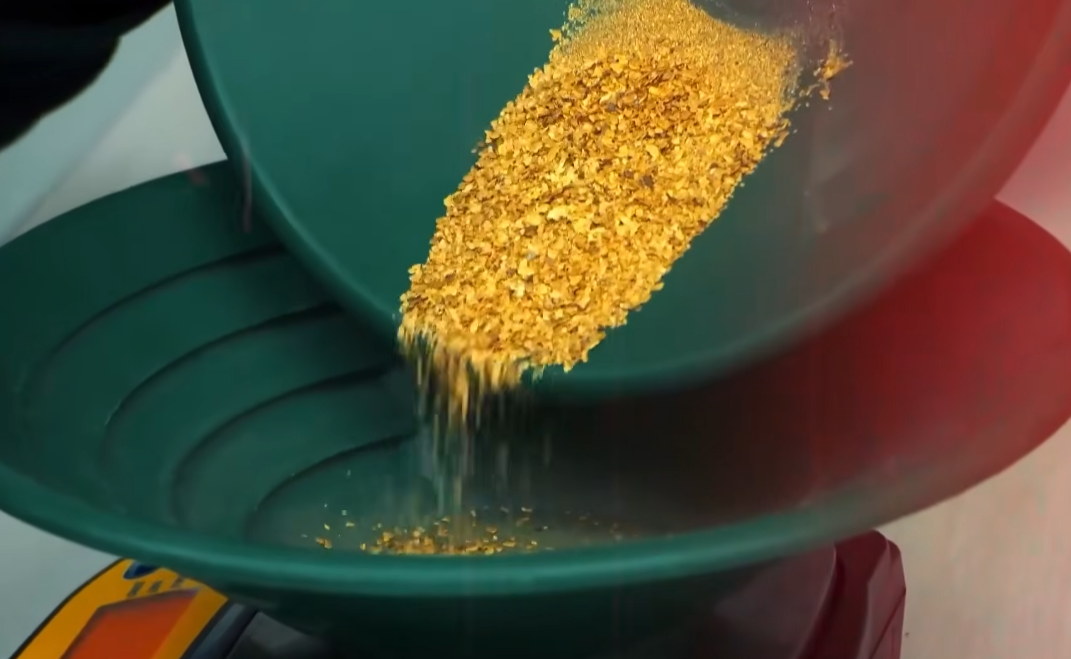
Upon breaching the 30-foot cap, Ness’s crew discovered a natural bedrock cavity—a “placer pocket”—where gold had concentrated in densities rarely seen outside of hard-rock veins. Initial cleanups from the material yielded a staggering 12.5 ounces per cubic yard, with peak production hitting over 800 ounces per day.
A $160 Million System
While the initial pocket was a historic find in its own right, subsequent exploratory drilling has revealed that the Henderson shaft is merely the gateway to a massive network. Geologists have confirmed a “pocket system” consisting of multiple concentration zones connected by ancient bedrock fractures.
Independent valuations now place the proven reserves at approximately 75,000 ounces. When combined with current seasonal earnings and enterprise assets, the Ness operation is valued at approximately $160 million. This total eclipses the single-season records of even the most established Klondike legends.
Industry in Shock
The discovery has sent a shockwave through Dawson City. “Everyone walked past that old shaft assuming it was worked out,” said veteran miner Tony Beets. “Rick actually checked. That’s the difference between assuming and knowing.”

Parker Schnabel, Ness’s former mentor, visited the site personally to offer his congratulations. “This isn’t luck,” Schnabel noted. “It’s research and the guts to bet everything on a theory. Rick earned this spectacular success.”
The Ness Legacy
Beyond the financial windfall, Ness has utilized his success to establish a mentorship fund for independent miners facing the same “one-breakdown away from ruin” reality he once endured.
As the Yukon prepares for the 2026 freeze, the “Ness Method”—combining historical archival research with modern geological surveying—is being adopted by crews across the territory. Rick Ness is no longer the miner everyone worries about; he is the man who proved that the greatest treasures in the Klondike might be hidden in the places everyone else stopped looking 130 years ago.