THE $185 MILLION DEAL: High-Tech Scans Reveal Massive Subterranean Structure at 100 Feet
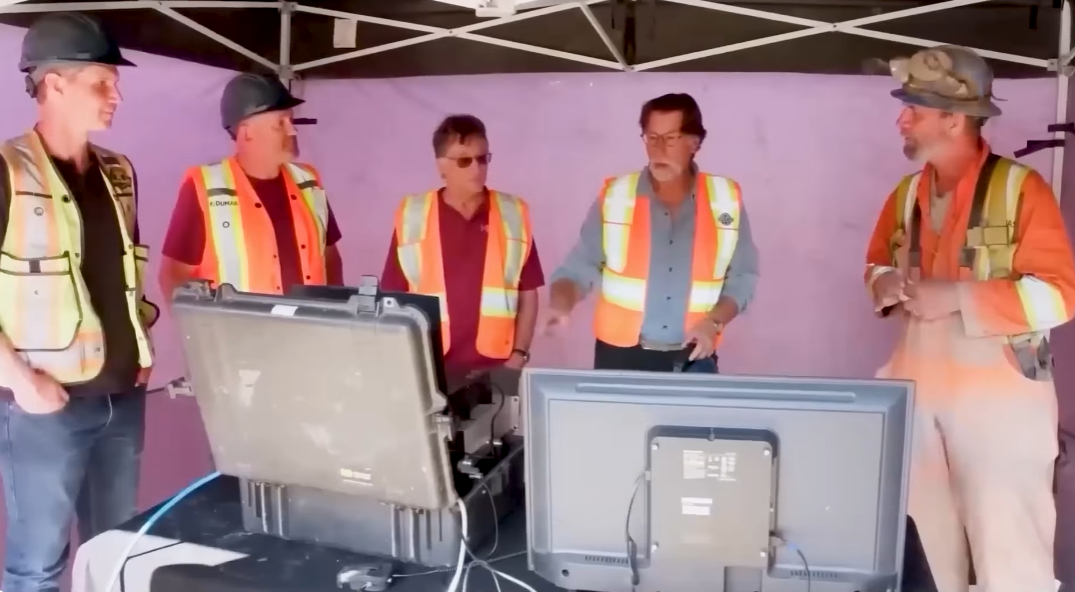
The 229-year-old mystery of Oak Island reached an “emergency level” of intensity this week as Rick Lagina and his team uncovered what may be the most significant anomaly in the history of the Money Pit. Advanced 3D mapping and ground-penetrating radar have identified a dense, geometric structure buried nearly 100 feet underground—a find that experts estimate could be worth up to $185 million.
A Collision of Science and Legend
At precisely 9:42 a.m. on Tuesday, the atmosphere on the island shifted from routine excavation to a direct confrontation with history. Control screens suddenly registered a metal density reading 10 times higher than normal sediment. While typical soil layers on the island record between 120 and 150 units, a concentrated zone between 94 and 102 feet deep spiked to a staggering 1,140 units.
“This is no ordinary anomaly,” said one site engineer. After a backup scanner costing $250,000 was deployed to verify the data, the results remained unchanged: a man-made, geometric structure approximately 18 feet wide and 27 feet long sits entombed in the clay.
The “Money Pit Corridor”
The discovery aligns perfectly with historical accounts from the 18th and 19th centuries. The current readings at 90 to 110 feet match the depth where the original 1795 excavators reported finding wooden platforms. Modern 3D subsurface mapping suggests this isn’t just a static vault, but part of a “Money Pit Corridor”—a narrow, engineered passageway designed to lead toward a primary chamber.
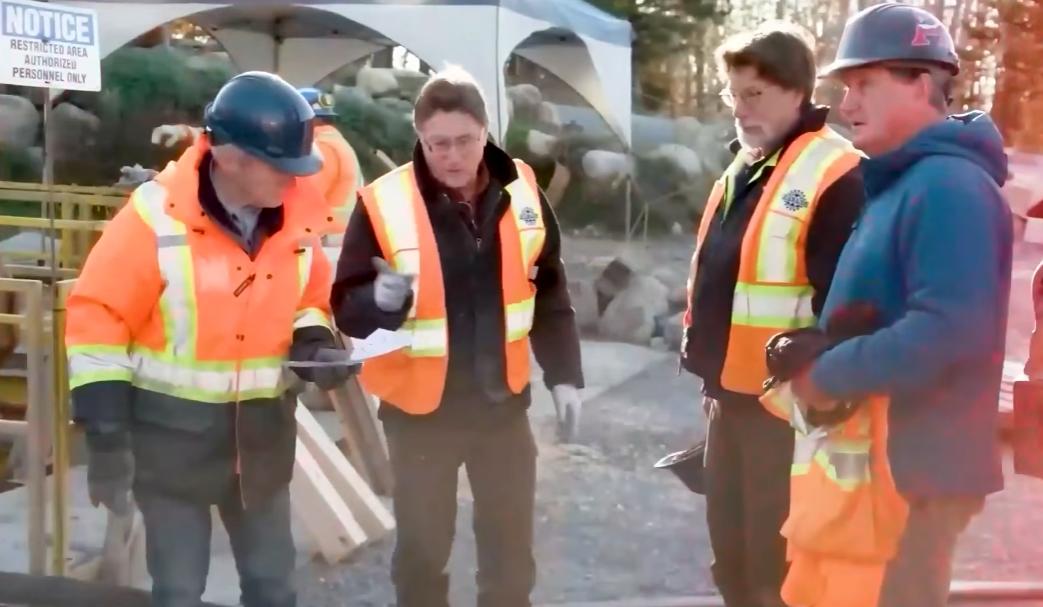
However, reaching the target is a logistical nightmare. The team is currently battling water pressure that can reach 3,000 liters per minute. Geologists noted that the soil at this depth is a treacherous mixture of loose gravel and compressed clay, prone to instant collapse.
The Cost of Truth
The pursuit of this $185 million secret is among the most expensive private archaeological undertakings in North America. Daily operation costs have soared to between $40,000 and $60,000. This includes:
-
High-capacity dewatering pumps running 24/7.
-
Specialized steel casing pipes to prevent catastrophic land subsidence.
-
24-hour security and surveillance to protect potential historical relics.
For Rick Lagina, who has spent decades pursuing a childhood dream sparked by a magazine article, the financial risk is secondary to the historical reward. “If we only wanted gold, we would have searched elsewhere,” Lagina stated. “Success means understanding the mystery.”
Three Theories, One Destination
As the team prepares for the final “controlled excavation” phase, three main theories dominate the war room:
-
The Pirate Cache: Looted gold from Captain William Kidd, estimated to be worth hundreds of millions in today’s currency.
-
The Templar Legacy: Sacred religious relics and documents hidden by a splinter faction of the Knights Templar fleeing 14th-century Europe.
-
The Royal Treasury: Wealth secured by European royal families during times of political upheaval.
The Brink of History
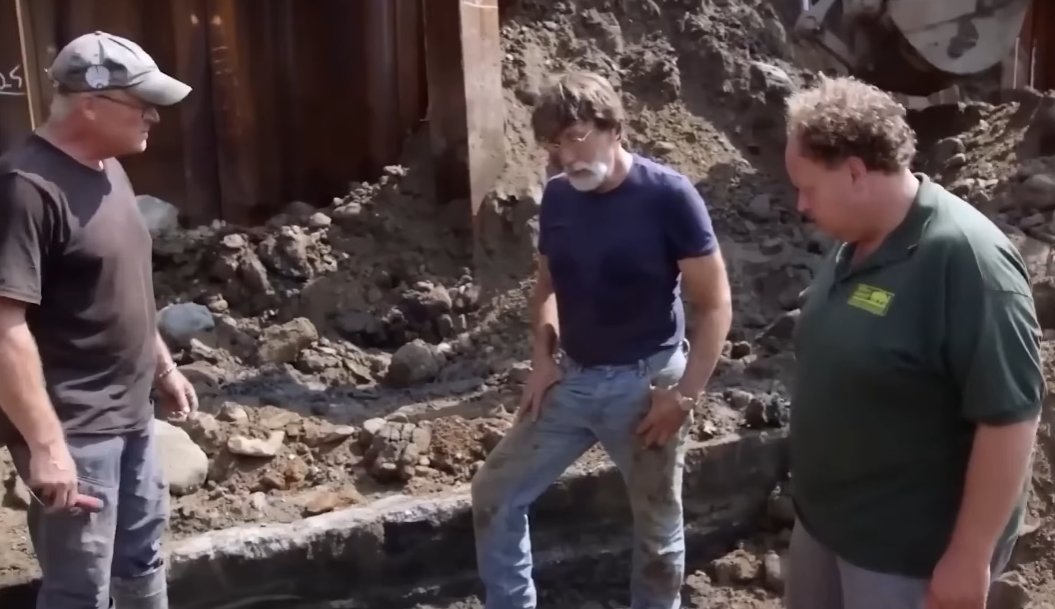
The world’s attention is now fixed on a tiny island in the North Atlantic. With the target area reportedly “just a few feet away,” the team is utilizing laser guidance and micro-resistivity scans to ensure every inch of soil is analyzed. Whether the next few feet reveal a chamber of gold or another layer of the island’s legendary booby traps, the Laginas are committed to the end.
As Rick Lagina observed while staring at the monitor, “We’re standing at the doorstep of one of history’s greatest mysteries.”