THE MIDAS DEAL: Parker Schnabel’s Split-Crew Strategy Nets $1.5 Million in Record Cleanups
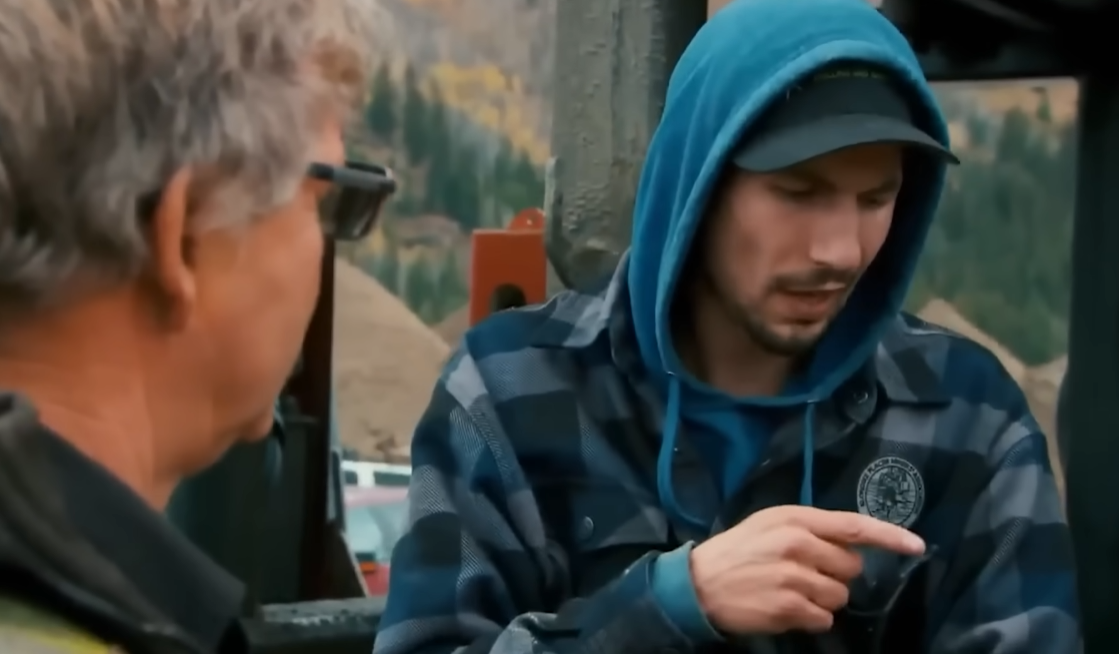
In a season defined by “uphill battles” and high-stakes transitions, 31-year-old mining prodigy Parker Schnabel has silenced skeptics by tapping into what local geologists are calling a “prehistoric river of gold.” By implementing a radical, high-risk operational split, Schnabel’s crew recently processed nearly $1.5 million worth of gold in a series of cleanups that have sent shockwaves through the Klondike mining community.
The Two-Pronged Attack
Facing dwindling ground and escalating fuel costs, Schnabel bypassed traditional conservative mining methods this season. Instead, he split his workforce into two specialized units with diametrically opposed missions: the Wolf Cut and the Drift Cut.
The Wolf Cut crew was tasked with “the long game,” battling thirty feet of frozen permafrost to reach the bedrock. For weeks, the unit burned through hundreds of gallons of diesel daily with zero return, thawing earth that hadn’t seen the sun in millennia. Simultaneously, the Drift Cut crew, led by veteran foremen Mitch Blaschke and Tyson Richmond, acted as the “financial engine,” hunting for immediate “pay dirt” to keep the operation solvent.
“Mighty Big Red” Breaks the Scale

The gamble reached its tipping point when both crews struck pay streaks simultaneously. However, the discovery brought a new crisis: the volume of gold-rich gravel was overwhelming Schnabel’s aging infrastructure. In response, Schnabel authorized a multi-million dollar investment in a state-of-the-art wash plant nicknamed “Mighty Big Red.”
The plant, capable of processing hundreds of cubic yards of material per hour, initially faced a “rebellion of technology.” A torn internal screen threatened to derail the momentum, requiring mechanic Mitch Blaschke to perform a dangerous mid-shift weld inside the “belly of the beast.” Once repaired, the floodgates opened.
Unprecedented Cleanups
The subsequent weigh-ins have entered the realm of Klondike legend. While “Mighty Big Red” yielded a steady 51.6 ounces, the secondary plant, “Sluifer,” delivered a staggering 360.5 ounces—over 22 pounds of pure gold—in a single cleanup.
Weekly Production Highlights:
| Plant/Shift | Gold Total | Market Value (Approx.) |
| :— | :— | :— |
| Sluifer Cleanup | 360.5 oz | $600,000 |
| Daily Record (Peak) | 253.8 oz | $820,000 |
| Big Red (Initial) | 51.6 oz | $90,000 |
To commemorate the milestone, Schnabel distributed $12,000 bonuses to his crew members, paid not in cash, but in raw, unrefined gold—a symbolic gesture linking their labor to the prehistoric pay streak they unearthed.
Fortress of Secrecy
The magnitude of the find forced Schnabel to place the mine on “total lockdown.” Citing concerns over claim-jumpers and the intense scrutiny of the Dawson City rumor mill, Schnabel sealed access roads to create a “golden fortress.”
While critics and fans of the Gold Rush television series have speculated about “producers’ gold” or staged drama, industry experts point to the density of the finds as proof of authenticity. Placer gold of this magnitude is 19 times heavier than water, settling into ancient riverbeds during glacial meltwater events—a geological phenomenon Schnabel’s team targeted with surgical precision.
“We aren’t just mining,” one crew member noted under the condition of anonymity. “We are excavating the bottom of a prehistoric world.”